As the liquor industry evolves, so do the bottles that house these spirits. The designs of liquor bottles play a significant role in attracting consumers. This raises the question: what are the latest trends in liquor bottle design? Expertise in this field reveals several fascinating developments.
Sustainability is at the forefront. Many brands are shifting to eco-friendly materials. Unique shapes and textures offer a sensory experience. Bold colors and artistic designs make bottles stand out on shelves. These changes reflect a deeper connection to consumer preferences. However, some brands struggle to balance innovation and tradition.
Craft distilleries are embracing customization, catering to niche markets. Limited editions often feature intricate designs that tell a story. This trend highlights the importance of branding in gaining consumer loyalty. Yet, not every design resonates with the target audience. Reflection on these missteps can guide future developments in the industry.
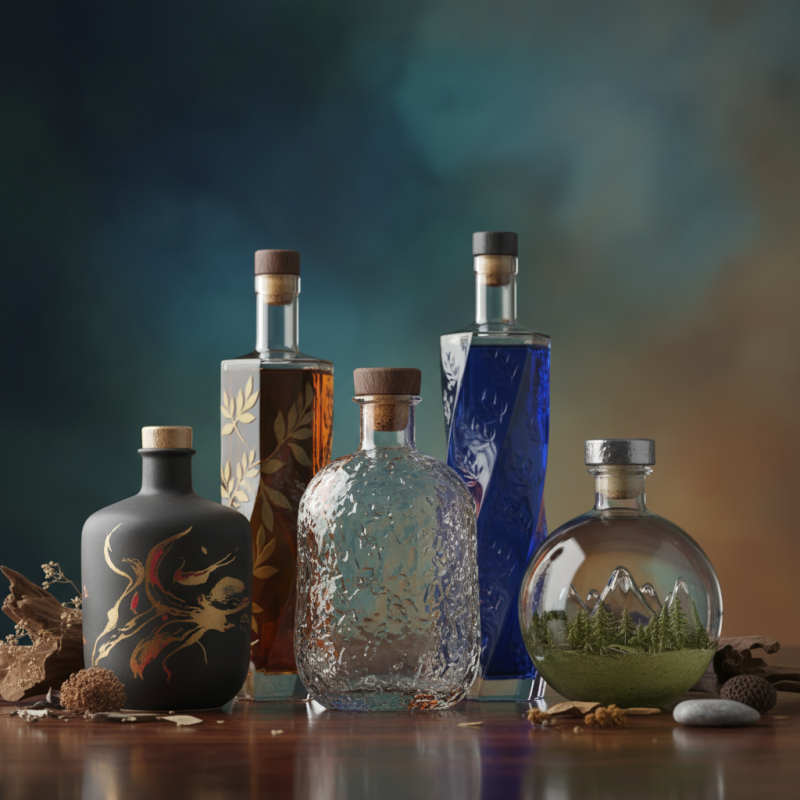
Emerging Material Innovations in Liquor Bottle Design for 2026
As we approach 2026, the world of liquor bottle design is set to embrace innovative materials that redefine aesthetics and functionality. Emerging trends hint at a shift towards sustainable options, highlighting eco-friendly materials like biodegradable plastics and recycled glass. These not only reduce environmental impact but also resonate with consumers who prioritize sustainability. Brands are learning to express their identity through clever use of these materials.
In addition to sustainability, advancements in technology drive the evolution of bottle design. Smart materials, such as thermochromic inks that change color with temperature, add an interactive element. This technology allows consumers to engage with the product in new ways, enhancing user experience. However, these innovations raise questions about their long-term viability and potential environmental footprint.
Moreover, the rise of minimalist design continues to influence liquor packaging. Clean lines and simple forms often overshadow complexity. While this trend emphasizes clarity and elegance, it may leave some consumers craving more storytelling within their bottle design. Balancing aesthetics with sustainability will be a challenge for designers striving for originality.
Sustainable Practices and Eco-Friendly Trends in Packaging
As we look towards 2026, the liquor industry is gearing up for a significant shift in packaging design. Sustainable practices are taking center stage. Eco-friendly materials are becoming a priority. Consumers are more aware of their environmental impact. The push for biodegradable and recyclable packaging is stronger than ever.
Innovative design will incorporate natural materials. Brands are exploring plant-based plastics and recycled glass. This move not only appeals to eco-conscious consumers but also fosters brand loyalty. However, achieving sustainability is challenging. Some materials may not perform as well as traditional options.
Brands need to reflect on their choices. Are their strategies truly sustainable? It’s crucial to balance functionality with environmental responsibility. As the industry evolves, the importance of transparency becomes clear. Consumers want to know how their products are made. Engaging with these issues will shape the future of liquor bottle design.
Influence of Cultural Aesthetics on Liquor Bottle Designs
Cultural aesthetics significantly shape liquor bottle designs. In 2026, trends reflect diverse cultural motifs that resonate with consumers. The global spirits market, valued at $1.5 trillion, is influenced by these unique visual narratives. Designers draw inspiration from traditional art forms, regional symbols, and historical references, creating bottles that tell a rich story.
The fusion of modern and classic styles is notable. Bottles featuring geometric shapes or minimalist designs are popular. However, brands also embrace ornate craftsmanship, inspired by cultural artifacts. This blend attracts a broad audience, appealing to both young drinkers and seasoned connoisseurs. According to a recent report, products with distinctive packaging see up to a 30% increase in sales.
Tips: Consider how colors evoke emotions. For example, deep reds often signify luxury while greens symbolize nature. A well-considered color palette can enhance brand perception. Additionally, examining feedback from consumers is vital. Understanding preferences can lead to more effective designs that resonate deeply.
Balancing tradition and innovation poses challenges. Some designs may become overly complicated, losing accessibility. Striking a balance between artistic expression and functionality remains key for brands aiming to succeed.
Technological Advancements Enhancing Bottle Functionality and Design
The liquor industry is evolving rapidly, propelled by technological advancements that enhance bottle functionality and design. Smart packaging is a leading trend. Bottles equipped with QR codes allow consumers to access detailed product information. According to industry reports, about 30% of consumers prefer products that offer digital interactivity. This shift not only engages customers but also builds brand loyalty.
Sustainability is another area experiencing significant growth. Many brands are exploring eco-friendly materials and reusable designs. Research indicates that 45% of consumers prioritize sustainable packaging when making purchasing decisions. This is an opportunity for brands to showcase their commitment to environmental responsibility.
Tips for brands: Consider integrating smart features into your packaging. Utilize user-friendly technology that enhances the customer experience. Secondly, invest in sustainable practices that resonate with modern consumers. Prioritize designs that are not only visually appealing but also functional. The industry is competitive, and constant innovation is necessary for success. Embrace change and stay relevant in this dynamic market.
Consumer Preferences Shaping the Future of Liquor Packaging
In 2026, consumer preferences will significantly shape liquor bottle design. An industry survey revealed that 72% of consumers prioritize eco-friendly packaging. This trend reflects growing awareness of environmental issues. Brands need to innovate while addressing these concerns. Sustainable materials, such as recycled glass and biodegradable plastics, are becoming essential.
Additionally, unique bottle shapes are gaining popularity. Data shows that 65% of consumers are more likely to purchase products with distinctive designs. These bottles often serve as conversation starters and statement pieces in social settings. Brands successfully leveraging design can enhance customer engagement. However, brands must balance creativity with practicality. An extravagant design might look appealing but can complicate storage and transportation.
Furthermore, personalization is reshaping packaging strategies. According to recent data, 55% of consumers are attracted to customizable products. Brands that offer customization may foster greater loyalty. Yet, the challenge lies in efficiently implementing these options. Personalization can increase production costs and complicate supply chains. Brands must navigate this tension to meet consumer demands. These evolving preferences present both opportunities and obstacles for the liquor industry.
FAQS
: Eco-friendly materials, such as plant-based plastics and recycled glass, are gaining popularity.
Cultural motifs and traditional art forms shape unique bottle designs, creating rich narratives that attract consumers.
Consumers increasingly prioritize eco-friendly and unique designs, significantly influencing packaging trends in the industry.
Some sustainable materials may not perform as well as traditional options, posing challenges for brands.
Many consumers prefer customizable products, which can increase brand loyalty but also complicate production and costs.
Balancing creative designs with practicality is essential to avoid complications in storage and transportation.
Consumers want to know how products are made, driving brands to engage more openly about their practices.
Color choices evoke emotions; for instance, deep reds indicate luxury while greens symbolize nature.
Unique packaging can lead to a 30% increase in sales, making it important for brands to focus on design.
Brands must evaluate if their strategies are truly sustainable and balance functionality with environmental responsibility.
Conclusion
The article "2026 Top Trends in Liquor Bottle Design: What to Expect?" outlines significant shifts in liquor bottle design as the industry evolves. Emerging materials, such as biodegradable plastics and recycled glass, are setting the stage for innovative and sustainable packaging. Eco-friendly practices are becoming mainstream, reflecting a growing consumer demand for environmentally responsible products. Additionally, cultural aesthetics are influencing designs, with a focus on reflecting diverse traditions and stories through visual elements.
Technological advancements are also enhancing functionality, with features that improve user experience and preserve product quality. Moreover, consumer preferences are shaping the future landscape of liquor packaging, driving brands to adapt to new tastes and sustainability standards. Overall, these factors highlight what are the latest trends in liquor bottle design, showcasing a blend of innovation, culture, and environmental consciousness.

 Swapora Bottle