Transporting glass bottles poses significant challenges. The risk of breakage can lead to costly losses and safety hazards. Understanding how to avoid breakage in glass bottle transport is crucial for both individuals and businesses. Proper techniques and materials can make a substantial difference.
One important aspect is choosing the right packaging. Bubble wrap, foam, and sturdy boxes provide essential cushioning. Each layer of protection adds to the safety of the bottles during transit. Arranging bottles carefully in boxes also plays a vital role. Bottles should not touch each other to minimize impact.
It is worth reflecting on past experiences. Perhaps you’ve encountered breaks due to careless handling or inadequate packing. Learning from these mistakes can guide better methods in the future. Ultimately, prioritizing protection and employing effective strategies are key to successful transport.
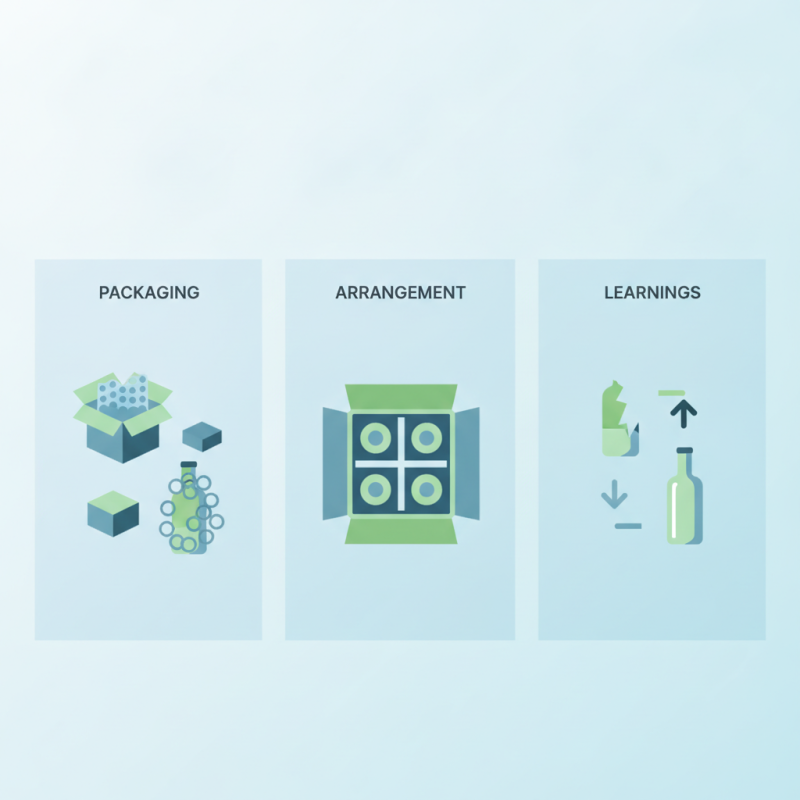
When it comes to transporting glass bottles, the choice of packaging materials is crucial. According to a report from the Glass Packaging Institute, over 60% of glass breakage occurs during transport. This highlights the need for appropriate materials to ensure safety. Using materials like bubble wrap, foam inserts, and corrugated boxes can significantly reduce the risk of breakage. The latter, with its structure, provides additional cushioning that absorbs shocks and vibrations.
Despite the available options, many still underestimate the importance of quality packaging. Many businesses rely solely on standard cardboard boxes, which may not offer enough protection. A study found that using multi-layered packaging can reduce damage by 40%. It's essential to consider that the method of securing bottles within the package also plays a role. Elastic bands and custom-fit inserts can further prevent movement during transit.
The reality is, not all companies have perfected their packing methods. Sometimes, the focus on cost leads to inadequate packaging solutions. This lack of investment in protective materials can result in higher loss rates and disappointed customers. Evaluate existing practices and consider more robust options. In this ever-competitive market, ensuring the safe arrival of products can make all the difference.
When preparing glass bottles for safe transport, careful handling is essential. Begin by cleaning the bottles thoroughly. Any residue can cause damage when the bottles are packed tightly. Inspect each bottle for cracks or chips. Even small imperfections can lead to breakage during transport. If a bottle is flawed, it's better to discard it.
Next, use proper packing materials. Bubble wrap is a good choice. Wrap each bottle securely, ensuring there are no gaps. Use sturdy boxes for transportation. If the boxes are too large, bottles can shift and collide. Fill any empty spaces with packing peanuts or crumpled paper. This additional layer of protection can make a significant difference.
Lastly, label the boxes clearly. Indicate that they contain fragile items. This simple step informs handlers to exercise caution. It’s important to reflect on past transportation experiences. Many have learned the hard way that even small oversights can lead to significant losses. Prioritizing preparation can help you avoid costly mistakes.
Transporting glass bottles requires careful handling to prevent breakage. Using the right techniques can safeguard your bottles during transit. Securing bottles properly should be a priority for anyone transporting glass.
One effective method is to use padding. Wrap each bottle in bubble wrap or foam sleeves. This extra cushioning absorbs shocks and prevents bottles from clinking together. When using a transport container, ensure that there are dividers. These dividers keep bottles upright and minimize movement. Using boxes with a snug fit can also help maintain stability.
Consider the arrangement of bottles too. Place heavier bottles at the bottom. Lighter bottles should be on top. This arrangement reduces the chances of toppling. Monitor your transport conditions as well. Sudden temperature changes can weaken the glass. Regularly check the stability of your load. Unattended shifts can lead to unexpected breakage. Stay vigilant throughout the transportation process.
| Technique | Description | Effectiveness | Cost Estimate |
|---|---|---|---|
| Use of Dividers | Inserts that separate each bottle in the container. | High | $20 - $50 |
| Cushioning Materials | Bubble wrap or foam inserts to absorb shocks. | Moderate | $10 - $30 |
| Proper Orientation | Ensure bottles are upright and secured. | High | Free |
| Use of Specialized Containers | Containers designed specifically for bottle transport. | Very High | $100+ |
| Temperature Control | Maintain a stable temperature to prevent breakage. | Moderate | $50 - $150 |
Loading and unloading glass bottles requires careful handling to prevent breakage. A recent industry report indicates that approximately 15% of all glass products are damaged during transit. This staggering figure highlights the need for best practices in the transportation process.
When loading bottles, ensure they are stored upright and well-cushioned. Using dividers can minimize movement, which is crucial. Studies show that nearly 50% of breakage occurs due to jostling during transport. Each bottle should have adequate padding, such as bubble wrap or foam, to absorb shocks. Moreover, loading the bottles according to size and weight can enhance stability.
During unloading, maintain awareness of your surroundings. A distracted handler can easily drop a bottle, leading to breakage. Training staff about the importance of careful movements is vital. Speed should not compromise safety. A report reveals that 30% of accidents happen when employees rush the unloading process. Proper eye contact with colleagues and clear communication can significantly reduce mishaps.
Transporting glass bottles safely is crucial for businesses and individuals alike. Shattering can lead to loss and potential hazards. The Fragile Packaging Association reports that improper handling accounts for up to 30% of breakage during transit. Understanding the right techniques is essential for preserving your bottles.
One effective tip is to use cushioning materials. Bubble wrap, foam inserts, or even crumpled paper can absorb shock. Wrapping each bottle individually is ideal. This prevents them from knocking against each other. Also, consider the type of container used. A sturdy cardboard box can provide added support. Ensure it fits snugly around your bottles to minimize movement.
When stacking bottles, avoid overloading. A common mistake is placing too many in one container. This increases pressure and the risk of breakage. Instead, pack them in smaller groups. Secure the boxes with strong tape. Double-check that they are sealed well. Simple precautions can greatly reduce the chances of breakage during transit. Always reflect on your packing methods. Have they been working efficiently? Each journey can highlight areas for improvement.
: The right packaging materials significantly reduce the risk of breakage during transport. Over 60% of breakage happens while transporting.
Bubble wrap, foam inserts, and corrugated boxes provide excellent cushioning for glass bottles. They absorb shocks and vibrations well.
Standard cardboard boxes may not provide enough protection for glass bottles. Many underestimate their importance in keeping bottles safe.
Poor packaging leads to higher loss rates and disappointed customers. Investing in better materials is crucial for customer satisfaction.
Wrapping each bottle in bubble wrap or foam sleeves is effective. It absorbs shocks and prevents bottles from clinking together.
Heavier bottles should be placed at the bottom, with lighter bottles on top. This arrangement minimizes the risk of toppling.
Dividers keep bottles upright and reduce movement within the box. This helps maintain stability during transit.
Sudden temperature changes can weaken glass. Regularly checking conditions helps prevent unexpected breakage.
Many companies focus on cutting costs, leading to inadequate packaging solutions. This can increase loss rates and customer complaints.
Evaluate existing methods and consider investing in more robust options. Safer packaging can enhance product arrival and customer satisfaction.
Transporting glass bottles can be challenging due to their fragility, but there are effective strategies to ensure they arrive safely. To avoid breakage in glass bottle transport, selecting appropriate packaging materials is crucial. This includes using padded dividers and bubble wrap to cushion the bottles. Additionally, preparing the bottles by ensuring they are clean and securely capped can prevent damage.
Securing the bottles in transport containers with proper techniques, such as using straps or supports, is essential for stability. Best practices for loading and unloading, including lifting with care and avoiding dropping, further minimize risks. Finally, handling tips like holding bottles by their bases and avoiding excessive shaking can significantly reduce the likelihood of breakage during transit. By following these guidelines, you can effectively learn how to avoid breakage in glass bottle transport, ensuring a successful delivery.

Swapora Bottle