What is the Best Closure for Liquor Bottles to Ensure Quality?

Time:2026-05-28 Author:Amelia
0%

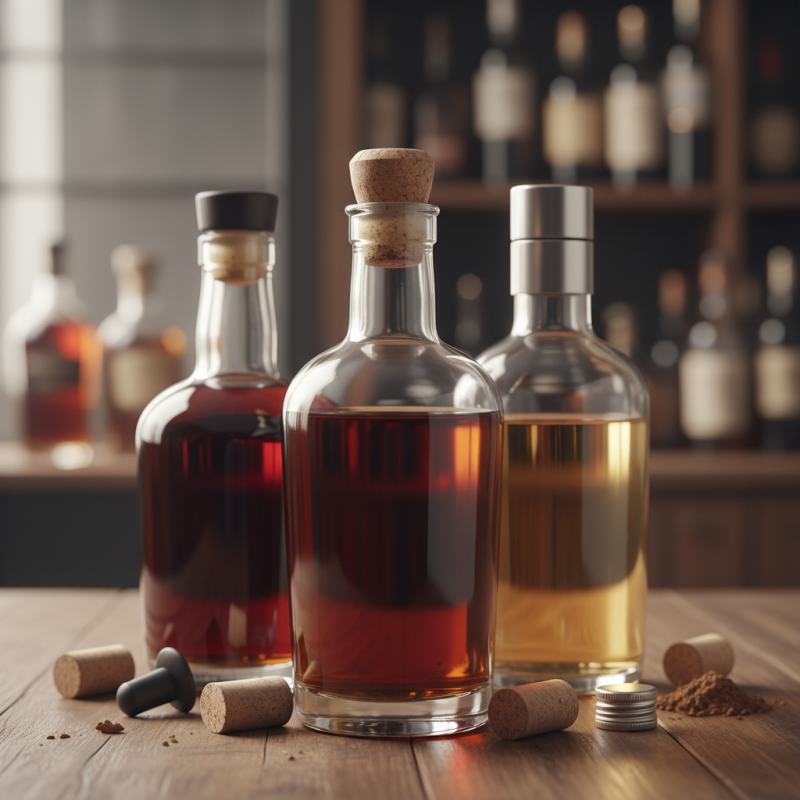
When it comes to liquor storage, one critical aspect often overlooked is bottle closure. Quality preservation hinges on effective sealing methods. Many consumers wonder, "what is the best closure for liquor bottles?" A closure’s primary role is to keep air out, safeguarding the rich flavors inside. With various options available, including corks, screw caps, and synthetic closures, the choice can be daunting.

The right closure impacts taste and aroma over time. Cork, a traditional choice, allows for some oxygen exchange. This can benefit certain aged spirits, but it has drawbacks. Cork can spoil, affecting the liquor. On the other hand, screw caps offer a tight seal, ensuring little to no air enters the bottle. However, some argue they do not allow for necessary aging.

Finding the ideal closure involves weighing flavor retention against practicality. Each option presents its pros and cons. Understanding these nuances can enhance your liquor experience. As we delve deeper into this topic, we will explore the best closure options to ensure quality liquor enjoyment.
What is the Best Closure for Liquor Bottles to Ensure Quality?

Types of Closures for Liquor Bottles: An Overview

When it comes to liquor bottles, the type of closure used plays a crucial role in preserving the quality of the contents. Various options exist, each with distinct characteristics. Cork is traditional and allows a bit of air exchange, contributing to aging. However, it can also lead to spoilage if not stored properly.

Screwcaps, on the other hand, provide a hermetic seal that prevents oxygen from entering. This keeps the liquor fresh for more extended periods. They are easy to use and eliminate the risk of cork taint. Despite their advantages, some connoisseurs argue that screwcaps lack the aesthetic appeal of traditional corks.

Glass stoppers present another option. They are elegant and can create a tight seal, but they often require precise manufacturing. If not made correctly, they may not seal effectively. It’s essential to consider the intended use and personal preferences when choosing closures. Each option has its pros and cons, and some experimentation may be necessary to find the ideal fit for specific spirits.

Impact of Closure Materials on Liquor Quality

The closure material of liquor bottles plays a critical role in maintaining the quality of the spirit inside. Different materials impact the interaction between the cork or seal and the liquor. Natural cork, for example, allows a small amount of oxygen to enter, which can enhance aging in certain spirits. However, it is not without its challenges. Cork can suffer from contamination, leading to off-flavors.

In contrast, synthetic closures have gained popularity due to their consistency. They provide a tighter seal and reduce the risk of spoilage. Yet, some enthusiasts argue they could restrict beneficial oxygen exchange. Glass stoppers offer a stylish alternative, but their effectiveness at preserving the product is debated. Each closure type comes with advantages and disadvantages, which can lead to varying liquor experiences.

Choosing the right closure requires careful consideration of the type of liquor and intended aging process. Distillers often experiment with different materials to find the optimal balance. A closure should not just seal the bottle; it should enhance the flavors over time. With ongoing innovations, the quest for the perfect closure continues.

Impact of Closure Materials on Liquor Quality

This chart illustrates the effect of different closure materials on the sensory quality attributes of liquor over time. As the chart shows, different closures exhibit varying levels of impact on aroma retention and oxidation, critical for maintaining the liquor's quality.

Seal Integrity and Its Role in Preserving Flavor

When it comes to liquor bottles, seal integrity is crucial for flavor preservation. A well-sealed bottle limits air exposure, which can lead to oxidation. Oxidation alters the taste and quality of the liquor. Many enthusiasts face issues with inadequate seals that compromise their favorite spirits.

One key to maintaining bottle seal integrity is checking the closure mechanism regularly. Corks can dry out or break, while screw caps may not always fit tightly over time. Choose closures that promote airtight seals. Look for options that provide a snug fit without over-tightening.

Tips: Store bottles upright to prevent cork moisture loss. Keep liquor bottles away from heat sources and direct sunlight. Also, periodically inspect closures for signs of wear or damage. Addressing seal integrity proactively can enhance your enjoyment of liquor over time. Remember, even the smallest leak can jeopardize the flavor you love.

Comparison of Screw Caps and Corks for Liquor Bottles

In the world of liquor bottles, the choice of closure can significantly impact the product's quality. Screw caps and corks each have their distinct advantages and disadvantages. A recent industry report indicates that approximately 60% of consumers prefer screw caps over traditional corks for wines. This preference stems from the consistency and ease of use that screw caps offer. They prevent oxidation effectively, maintaining the integrity of the liquor.

Corks, meanwhile, have been the traditional use for decades. They allow a small amount of air exchange, which can benefit some spirits, helping develop their flavors. However, cork taint affects about 5% of corked bottles, leading to spoilage. This issue raises concerns for producers about quality control. The variability in closure types can create a gap in expectations between producers and consumers.

Ultimately, the choice between screw caps and corks is not straightforward. Each closure has its merits, yet the industry grapples with the implications of these choices. While screw caps consistently deliver quality assurance, corks offer an organic appeal that can mirror tradition. Addressing these nuances is essential as market preferences evolve.

Innovations in Closure Technology for Enhanced Preservation

The world of closure technology for liquor bottles is rapidly evolving. Innovations are focused on enhancing preservation and ensuring that every drop retains its quality. Traditional corks, while charming, often allow oxidation that can alter taste. In contrast, synthetic closures offer a more consistent seal, reducing the risk of spoilage. They effectively minimize the intrusion of air, which is crucial for maintaining flavor integrity over time.

Many producers now experiment with advanced sealing mechanisms. For instance, the use of vacuum-sealed caps eliminates the air within the bottle. This technology can extend the shelf life significantly. Some closures even feature a re-sealing design, ensuring a tight fit after opening. However, the effectiveness of these methods can vary widely. Not every innovation guarantees success, and this remains an area for improvement and exploration. Each type of closure presents challenges, making it essential for manufacturers to continuously assess their choices.

While advancements bring hope, there are still unresolved issues. The long-term impact of these closures on flavor and aroma is not fully understood. Consumers often experience differences based on the bottling process and closure type. As the industry progresses, there's a need for more rigorous testing and evaluation. Understanding how closures interact with various liquors can lead to better choices and practices in the future.

FAQS

: What role does the closure type play in liquor preservation?

: The closure type is crucial for preserving liquor quality. It impacts air exchange and spoilage risks.

What are the benefits of using cork closures?

Cork allows gradual air exchange, aiding aging. However, it can lead to spoilage if not stored well.

How do screwcaps compare to corks?

Screwcaps provide a hermetic seal, keeping liquor fresh longer. They eliminate cork taint but may lack aesthetic appeal.

Are glass stoppers effective for preserving liquor?

Glass stoppers can create a tight seal but require precise manufacturing. Poorly made ones may not seal well.

Why is closure material important for liquor quality?

Closure materials affect oxygen interaction, which can enhance flavors or cause off-flavors if compromised.

What are synthetic closures and their advantages?

Synthetic closures offer consistent sealing and reduce spoilage risk. Yet, they might limit beneficial oxygen exchange.

How can seal integrity affect liquor flavor?

Seal integrity is vital; inadequate seals allow air exposure, leading to oxidation and flavor changes.

What should I do to maintain seal integrity?

Regularly check closures, store bottles upright, and keep them away from heat and sunlight to preserve quality.

How often should I inspect my liquor bottle closures?

Periodic inspections of closures are essential. Look for wear, damage, or signs that may impact seal effectiveness.

Can improper sealing negatively affect my drinking experience?

Yes, even small leaks can significantly jeopardize flavor. Addressing seal integrity is crucial for enjoying liquor fully.

Conclusion

The article "What is the Best Closure for Liquor Bottles to Ensure Quality?" provides a comprehensive overview of various closure types used in liquor bottles and their implications for preserving beverage quality. It discusses the materials used in closures, highlighting their impact on flavor retention and overall liquor integrity. A central theme is the importance of seal integrity, which plays a critical role in preventing oxidation and maintaining the original taste of the liquor.

The comparison between screw caps and corks is particularly noteworthy, as it examines the advantages and disadvantages of each in terms of preservation and user convenience. Finally, the article explores recent innovations in closure technology that aim to enhance preservation further, signaling a trend towards improved methods in ensuring that consumers receive high-quality liquor. Ultimately, it addresses the pivotal question: what is the best closure for liquor bottles?

Amelia

Amelia

Amelia is a seasoned marketing professional with a wealth of expertise in our company’s core offerings. With an unwavering passion for driving growth and innovation, she plays a pivotal role in shaping our marketing strategies and enhancing brand visibility. A key aspect of her responsibilities......