Glass bottles remain familiar in kitchens, cafés, pharmacies, and refill stations. They protect liquids without adding unwanted flavors. Their clear surfaces also make product quality easy to inspect. Yet appearance alone cannot prove sustainability. The real question is how sustainable are glass bottles for packaging? The answer depends on material sourcing, manufacturing energy, transport distance, reuse rates, and local recycling systems. A bottle used once has a different impact from one washed and refilled many times.
This guide examines seven glass bottles designed for more sustainable packaging choices. We compare their weight, capacity, closure design, durability, recycled content, and practical reuse potential. A lightweight bottle may reduce transport emissions, but it can feel less robust in daily handling. A thick bottle may survive repeated use, yet require more energy to produce and ship. A wide-mouth design supports easier cleaning. A dark glass bottle can protect sensitive products from light. These details matter. The discussion follows lifecycle assessment principles and realistic packaging experience, rather than relying on attractive green claims. Manufacturer information remains important, but it should be checked carefully.
No option is perfect.
Glass is widely recyclable and chemically stable. However, its weight can increase fuel use during delivery. Recycling benefits also vary by region, collection quality, and furnace capacity. Reuse may offer stronger benefits, but only when washing, return logistics, and consumer habits work together. Some conclusions may change between markets. That uncertainty deserves attention. By examining these seven options closely, readers can choose packaging that fits their product, supply chain, and genuine sustainability goals.
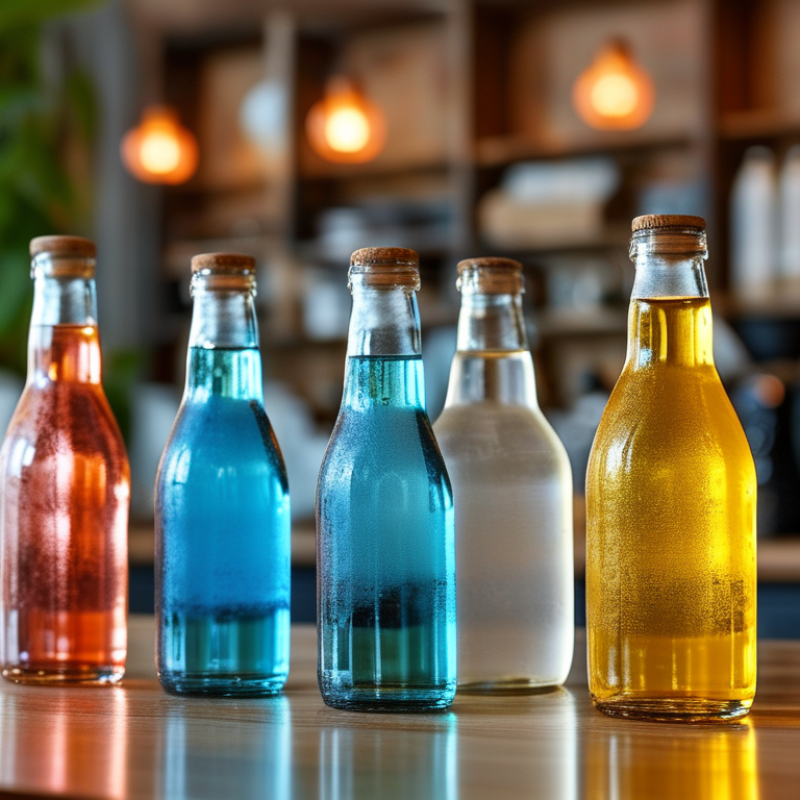
Glass is made from natural mineral materials, including sand, soda ash, and limestone. It contains no plastic polymers and does not release packaging chemicals into food under normal use. Its smooth surface also resists odors, stains, and flavor transfer. That matters when one bottle stores juice today and infused water tomorrow. It feels clean. It is durable too, when designed with a suitable wall thickness.
Glass can be reused many times before recycling. A refillable bottle with a wide mouth is easier to wash, inspect, and dry. Clear glass also lets users check the liquid level and notice residue. In packaging assessments, I examine the cap, label, and transport weight, not only the bottle. A recyclable container can still create a large footprint if it travels long distances. Glass is heavy. Trucks burn more fuel when carrying it.
Recycling gives glass another advantage. Properly sorted glass can be melted and formed into new containers without reducing its basic quality. However, collection systems differ greatly between regions. Broken ceramics, stones, and heat-resistant glass may contaminate recycling streams. That limitation deserves attention. Glass is not automatically sustainable. Its strongest performance usually comes from local refill programs, high recycled content, efficient transport, and long service life. I still question broad environmental claims when companies provide no material data, recovery rate, or reuse evidence.
When evaluating sustainable glass bottles, begin with material composition. Check the percentage of recycled glass and ask whether the supplier can verify it. Clear documentation matters more than attractive environmental claims. A bottle should also match the product’s needs, including acidity, light sensitivity, and filling temperature. Start with the wall thickness. Weight matters.
Transport efficiency deserves equal attention. A heavy bottle may feel durable, but it can increase fuel use and handling emissions. Compare bottle weight, pallet density, breakage rates, and shipping distance together. Refill systems can perform well when collection is convenient and bottles survive repeated washing. However, reuse is not automatically better. It depends on return rates, cleaning energy, and local logistics.
Closures, labels, and coatings can weaken an otherwise strong design. Select components that separate easily during recycling, and request clear information about adhesives and finishes. Inspect the bottle base for stability and the neck for consistent sealing. Small defects often become expensive leaks. That test failed.
Reliable evaluation also requires lifecycle evidence, not isolated figures. Ask for testing methods, recycled-content records, food-contact compliance, and recovery assumptions. Compare seven bottles using the same criteria and real shipping conditions. A lighter option may break more often; a thicker one may last longer. The best choice is rarely obvious. It deserves another review.
7 Best Glass Bottles for Sustainable Packaging?
Seven Glass Bottle Designs for Different Packaging Needs
Glass packaging works best when its design matches the product, route, and customer’s habits. A lightweight clear bottle suits juices, sauces, and cosmetics that need strong shelf visibility. Clear glass also supports easy color inspection. However, sunlight can reduce product quality. That weakness is easy to overlook.
Amber glass blocks much of the ultraviolet light that can damage sensitive liquids. It fits botanical extracts, oils, and light-sensitive beverages. Green glass offers a distinct appearance and moderate light protection. It may suit premium drinks and natural personal-care products. For efficient storage, square or rectangular bottles use warehouse space better than round shapes. Their corners still need careful drop testing.
Wide-mouth bottles make filling, cleaning, and product removal easier. They work well for thick creams, food spreads, and reusable household products. Lightweight glass reduces transport emissions, but thinner walls can increase breakage. That trade-off needs real testing. Returnable refill bottles support repeated use, especially in local delivery systems. Their success depends on collection rates, washing energy, and reliable reverse logistics. The U.S. Environmental Protection Agency reported a 25.1% glass-container recycling rate in 2018, showing that recycling alone cannot solve packaging waste. FEVE states that glass is permanently recyclable without quality loss, but recovery infrastructure still determines results. A laboratory test is not a distribution route. Field evidence matters more.
Sources: U.S. EPA, Advancing Sustainable Materials Management: 2018 Fact and Figures; FEVE, Glass Packaging Sustainability Data.
Seven common glass bottle formats matched to different packaging needs, based on widely used nominal capacities.
Smaller formats are suitable for samples and single servings, while larger bottles are more efficient for family-size products and refill systems. Glass can be collected, recycled, and reused, but actual environmental performance also depends on bottle weight, transport distance, return systems, and recycling infrastructure.
The best glass bottle is not always the heaviest or most attractive option. It must fit the product, filling process, and delivery route. Clear glass suits products that benefit from visibility, while amber glass helps protect light-sensitive formulas. Green glass can support certain beverages, but color alone does not guarantee protection. For sauces, oils, and personal-care liquids, check chemical compatibility and closure fit before approving a design.
Bottle weight matters across the supply chain. A lightweight bottle may reduce transport emissions and pallet costs, yet it can break more easily during automated filling or rough delivery. Test samples through vibration, drop, temperature, and pressure conditions. Measure the neck finish carefully. A small mismatch can cause leakage, slow capping, or unnecessary rejects. I have seen attractive packaging fail because its cap supplier could not maintain consistent tolerances.
Recycled glass content can strengthen a sustainability claim, but supply may vary by region and season. Ask for material records and confirm the percentage before printing packaging copy. Also examine local collection systems. A refillable bottle is valuable only when customers can return it economically and safely. Short delivery routes, return crates, and nearby washing facilities may outperform a lighter single-use bottle. The practical choice is often less elegant. It may also require redesigning cartons, pallets, and warehouse handling. Testing the whole system reveals those hidden costs.
| Bottle Type | Typical Capacity | Typical Glass Color | Typical Closure | Best Product Fit | Supply-Chain Strength | Sustainability Advantages | Main Trade-Off |
|---|---|---|---|---|---|---|---|
| Lightweight Beverage Bottle | 250–750 mL | Clear or green | Crown cap, screw cap, or glass-compatible sports closure | Juice, sparkling water, kombucha, and other ready-to-drink beverages | Efficient for high-volume filling; standardized neck finishes simplify capping and packing | Lower glass mass can reduce transport weight and production energy compared with heavier bottles; widely accepted in glass-recycling systems | More sensitive to impact and pressure-management requirements than heavier formats |
| Amber Light-Protective Bottle | 100–1,000 mL | Amber or other dark glass | Screw cap, lug closure, or tamper-evident cap | Oils, botanical extracts, fermented beverages, sauces, and light-sensitive liquids | Protects light-sensitive contents during storage and retail display; suitable for ambient distribution | Can reduce the need for secondary light-blocking packaging; refillable when a compatible return system exists | Dark color limits visual product presentation and may have fewer color-specific recycling outlets in some regions |
| Wide-Mouth Food Jar | 190–1,000 mL | Clear or amber | Lug lid or continuous-thread metal lid with sealing compound | Jams, pickles, sauces, spreads, grains, and dry foods | Stable base and wide opening support automated filling, cleaning, and consumer access | Reusable for household storage; durable shape can support multiple use cycles when cleaned properly | Heavier and more space-intensive than many narrow-neck bottles; metal lids usually require separate recycling routes |
| Refillable Return Bottle | 330–1,000 mL | Clear, green, or brown | Crown cap or reusable swing-top closure | Beer, cider, soft drinks, milk, and local beverage delivery programs | Best where collection, inspection, washing, and redistribution are geographically coordinated | Multiple reuse cycles can reduce packaging demand and waste when return rates are high and transport distances are short | Requires reverse logistics, washing capacity, deposit or incentive systems, and careful quality inspection |
| Wine-Style Long-Neck Bottle | 375–750 mL | Clear, green, or brown | Natural cork, synthetic cork, or screw cap | Wine, vinegar, premium juices, culinary oils, and non-carbonated beverages | Common filling and labeling formats support broad packaging-line compatibility | Established bottle geometry and recycling pathways; lighter versions can reduce shipping mass | Long shape can reduce pallet efficiency, and decorative or heavyweight versions increase material use |
| Small-Dose Dropper Bottle | 10–100 mL | Amber or cobalt-colored glass | Dropper assembly, screw cap, or tamper-evident dispenser | Essential oils, concentrated supplements, laboratory liquids, and cosmetic serums | Compact format reduces warehouse volume and supports controlled dosing | Small reusable container for repeated home use; light-protective colors may extend product stability | Dropper, liner, and mixed-material components complicate recycling; higher packaging-to-product ratio |
| Heavy-Duty Spirits or Specialty Bottle | 375–750 mL | Clear, flint, green, or brown | Cork, bar-top closure, or screw cap | Spirits, premium sauces, specialty beverages, and gift-oriented products | High perceived durability and good shelf presence; suitable for longer storage and careful handling | Long service life and strong reuse potential for household storage or decorative purposes | Greater glass mass increases production and transport emissions; less suitable for low-cost, high-volume distribution |
Note: Capacities and closure formats are typical commercial ranges rather than specifications for a single container. Actual performance depends on glass weight, wall thickness, product pressure, filling temperature, closure compatibility, return distance, washing requirements, and the recycling infrastructure available in the target market.
Glass bottles can support sustainable packaging when their full life is considered. Reuse starts with durable design, easy cleaning, and careful inspection. A bottle should be rinsed promptly after use. Dried residue can demand extra water and stronger cleaning products. Refill only bottles without chips, cracks, or weakened necks. Small damage can become a serious safety issue.
Recycling matters when reuse is no longer practical. Check local collection rules before placing bottles in a recycling bin. Many systems accept food and drink containers but reject ceramics, mirrors, and heat-resistant glass. These materials can disrupt processing. Remove caps when required, and keep bottles reasonably clean. Recycling glass can reduce demand for new raw materials, but transport and collection still create emissions. A nearby recycling route may be better than sending empty bottles long distances. The answer is not always obvious.
Tips: Choose standard shapes that local facilities handle well. Store returnable bottles in a padded crate, not loose in a cupboard. Label refill dates when hygiene controls matter. Inspect every bottle under bright light. If a bottle is damaged, follow local guidance for disposal.
I sometimes overestimate how sustainable reuse is; washing, transport, and breakage can change the result. That uncomfortable detail deserves regular measurement.
: Check recycled-glass content, bottle weight, durability, and transport efficiency. Ask for records, not attractive environmental claims. A sustainable choice is rarely obvious.
Heavy bottles may survive handling better but increase fuel use. Light bottles reduce transport emissions but may break more often. Compare weight, pallet density, shipping distance, and breakage rates together.
No. Reuse works when collection is convenient and washing uses reasonable energy. Return rates and reverse logistics matter greatly. Sometimes recycling performs better. That needs measurement.
Amber glass blocks much ultraviolet light. It suits oils, botanical liquids, and other sensitive products. Clear glass improves visibility but offers less light protection. Green glass provides moderate protection.
Square and rectangular bottles often use warehouse space better. Their corners need careful drop testing. Round bottles may waste space but handle impacts differently. The result can surprise you.
Check wall thickness, base stability, neck consistency, and surface defects. Small chips can cause leaks or breakage. Inspect each bottle under bright light. That test failed.
Rinse bottles soon after use. Dried residue may require extra water and stronger cleaners. Reuse only bottles without cracks, chips, or weakened necks. Label refill dates when hygiene controls matter.
Follow local collection rules before using a recycling bin. Food and drink bottles are often accepted. Ceramics, mirrors, and heat-resistant glass may disrupt processing. Remove caps when local instructions require it. The answer is not always obvious.
Glass is widely considered a sustainable packaging material because it is made from abundant minerals, can be reused, and is recyclable without losing its quality. However, the question “how sustainable are glass bottles for packaging” depends on the full life cycle, including raw material extraction, furnace energy, bottle weight, transportation distance, reuse systems, and recycling performance. Evaluating a sustainable glass bottle therefore requires looking beyond appearance and considering durability, recycled content, production efficiency, closure compatibility, and environmental impact.
This guide presents seven glass bottle designs suited to different packaging needs, from lightweight formats for efficient shipping to sturdy options designed for repeated use. It also explains how to match a bottle with the product’s protection requirements, filling process, storage conditions, and supply chain. Finally, it highlights practical end-of-life strategies, including refill programs, responsible collection, sorting, and recycling. Choosing the right design and supporting effective reuse or recycling practices can help reduce waste and improve the overall sustainability of glass packaging.
Swapora Bottle