The production process of glass bottles is a fascinating journey that combines artistry and science. Understanding what is the production process of glass bottles is essential for anyone interested in this industry. From raw materials to the final product, each step requires precision and expertise.
First, it begins with gathering high-quality raw materials, including sand, soda ash, and limestone. These ingredients are crucial for creating strong and clear glass. Then, the materials undergo intense heating in a furnace. The molten glass is shaped into bottles using molds. This stage demands skill to ensure symmetry and durability in the final design.
Next, the bottles are slowly cooled in a process called annealing. This step reduces internal stresses in the glass. Finally, thorough inspections and testing follow to guarantee that each bottle meets quality standards. Even small imperfections can lead to waste. Thus, continuous improvement is vital in this process. By exploring these steps, we unveil the complexity and dedication behind producing glass bottles.
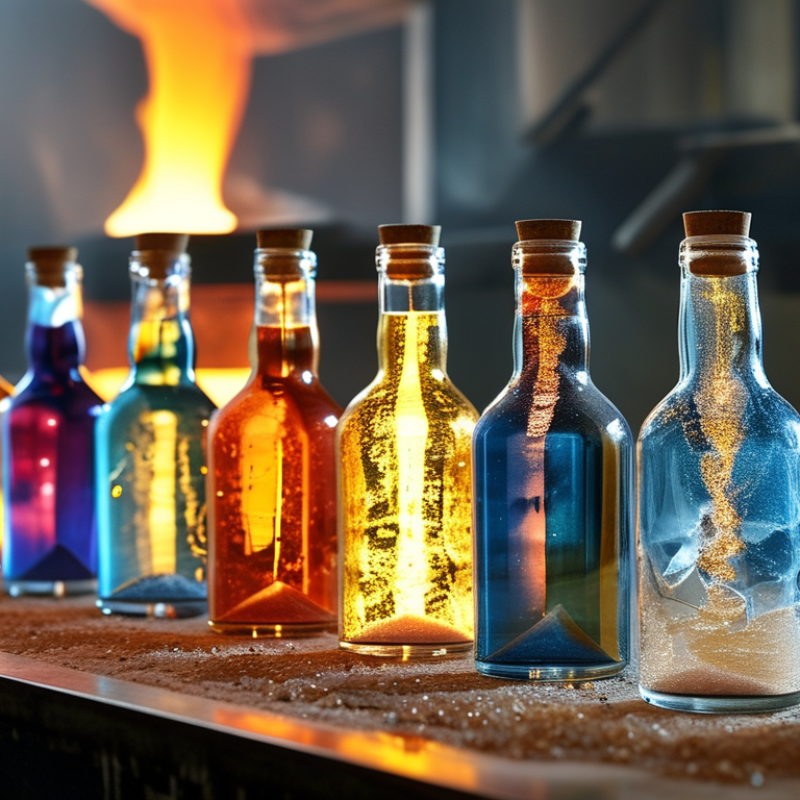
Understanding Raw Materials for Glass Bottle Production
The production of glass bottles relies heavily on the choice of raw materials. The primary ingredients are silica sand, soda ash, and limestone. Silica sand constitutes about 70% of the mixture. It provides the essential structure of the glass. Soda ash helps lower the melting point, making the process more energy-efficient. Limestone acts as a stabilizer, enhancing the glass's durability.
Understanding these materials is crucial. For instance, impurities in silica can affect color and clarity. Different grades of soda ash may vary in their effects on melting behavior. This necessitates careful selection and testing. Quality control processes should be emphasized. Ensuring that all materials meet stringent standards promotes consistency in the final product.
Reflections on sourcing are essential. Not all suppliers offer the same quality of raw materials. A company may face challenges in this regard. Regular audits and supplier assessments can mitigate risks. However, even the best planning can falter. Unexpected variations in material quality might still occur, influencing production outcomes. Adjusting to these changes is pivotal for maintaining the overall integrity of glass bottle production.
10 Best Steps in the Production Process of Glass Bottles
This chart illustrates the time allocated for each step in the production process of glass bottles. The data highlights the major phases from raw materials to marketing, providing insight into the efficiency and workflow in glass bottle production.
The Melting Process: Turning Raw Materials into Molten Glass
The melting process is a crucial stage in glass bottle production. It transforms raw materials like silica, soda ash, and limestone into molten glass. This process occurs in large furnaces that can reach temperatures of around 1,700 degrees Celsius. The intensity of heat ensures that the raw materials fully melt, creating a homogeneous mixture.
However, achieving the right temperature is a delicate balance. If the temperature is too low, the materials may not melt completely. Conversely, excessive heat can lead to unwanted reactions. Additionally, time management is vital. Maintaining the molten state for too long can result in degradation of the glass quality.
During this phase, monitoring is essential. Sensors are installed to track temperature and consistency. Adjusting the furnace conditions requires expert knowledge. Even minor fluctuations can have significant impacts. Engaging with these variables demands continuous observation and improvement to ensure high-quality glass production is achieved consistently.
Molding Techniques: Shaping Glass into Bottles
Molding techniques are essential in shaping glass into bottles. The glass production process begins with raw materials like silica sand, soda ash, and limestone. These materials are heated to extreme temperatures. At this point, the liquid glass becomes moldable.
There are various molding techniques, each producing different bottle shapes. The most common method is blow molding. In this technique, air is blown into a glass parison, expanding it to fill the mold. This technique requires precision to ensure uniform thickness. Another method is press molding, where glass is pressed into a mold to create thicker bottles. Each method has its advantages and challenges, requiring skilled operators to manage the process effectively.
Tips: Always monitor the temperature of the glass. Too hot or too cold will affect the mold. Regularly inspect molds for wear and tear. A worn mold can lead to inconsistencies in bottle dimensions. Experiment with different techniques to find what works best for your production needs. Constant adaptation will improve both quality and efficiency.
10 Best Steps in the Production Process of Glass Bottles - Molding Techniques: Shaping Glass into Bottles
| Step |
Description |
Materials Used |
Molding Technique |
| 1 |
Batch Preparation |
Silica sand, soda ash, limestone |
Mixing raw materials |
| 2 |
Melting |
Glass batch |
High-temperature furnace |
| 3 |
Forming |
Molten glass |
Blow and blow technique |
| 4 |
Annealing |
Formed bottles |
Temperature-controlled oven |
| 5 |
Surface Treatment |
Various coatings |
Spraying/Coating |
| 6 |
Inspection |
Finished bottles |
Vision systems |
| 7 |
Printing |
Inks and dyes |
Screen printing |
| 8 |
Packing |
Carts, protective materials |
Manual and automated packing |
| 9 |
Shipping |
Packed bottles |
Logistics management |
| 10 |
Recycling |
Used glass bottles |
Various recycling processes |
Annealing: Strengthening Glass Bottles Through Controlled Cooling
Annealing is a crucial step in the production process of glass bottles. It involves controlled cooling of the glass after it has been shaped. This step is vital to ensuring the strength and durability of the final product. During annealing, the glass transitions slowly from high temperatures to room temperature. This controlled cooling helps relieve internal stresses that can occur during the shaping process.
The annealing process requires precise temperature management. If the cooling is too rapid, it can lead to cracks or weak spots in the glass. A well-constructed annealing lehr maintains a steady temperature gradient. The process typically lasts several hours, allowing the glass to stabilize. Properly annealed glass bottles exhibit improved resistance to breaking and other damages.
However, achieving the right balance in the annealing phase can be challenging. Variations in glass composition can affect cooling times. Even minor fluctuations in temperature can impact the final product's integrity. Therefore, monitoring and adjusting the annealing process remains essential. Continuous improvements in this stage are necessary for enhancing quality and reducing defects in glass bottles.
Quality Control Measures in Glass Bottle Production
In the glass bottle production process, quality control is critical. Ensuring each bottle's integrity starts with raw material selection. According to industry reports, the purity of silica sand significantly affects the final product. Impurities can lead to defects or inconsistencies. Monitoring these materials is essential for achieving precise specifications.
During melting, temperature control is vital. Maintaining the furnace temperature within the optimal range prevents oxidation of materials, which can introduce flaws. Quality inspection occurs after the forming stage. Automated systems check for thickness and surface defects, but human oversight is still needed. A recent study showed that nearly 12% of bottles fail inspection in certain production runs. This indicates room for improvement and better training for operators.
Finally, packaging and transportation require special attention. Any mishandling can result in breakage. Reports indicate that logistics can account for up to 5% of total production waste. Using better practices in packaging could mitigate this. Quality control is an ongoing journey, one that requires resilience and constant monitoring to ensure the highest standards.
FAQS
: The melting process transforms raw materials into molten glass in large furnaces. It reaches temperatures around 1,700 degrees Celsius.
Proper temperature ensures materials melt completely. Too low temperatures may leave unmolten parts; too high can cause unwanted reactions.
Maintaining the molten state too long can degrade the glass quality. Time must be monitored carefully for optimal results.
Sensors track temperature and consistency. They help make necessary adjustments to furnace conditions for better quality control.
The purity of silica sand is crucial. Impurities can cause defects, leading to inconsistencies in the final product.
Quality inspection checks for thickness and surface defects. Automated systems assist, but human oversight is still necessary.
Studies show nearly 12% of bottles fail inspection in some production runs. This indicates areas for improvement in training.
Mishandling during packaging can lead to breakage. Logistics issues can account for 5% of total production waste.
Yes, quality control requires continuous monitoring. It’s a journey that demands resilience and constant improvement to meet high standards.
Minor fluctuations in temperature can significantly impact glass quality. Expertise ensures optimal conditions are maintained throughout production.
Conclusion
The production process of glass bottles involves several vital steps that ensure high-quality end products. Initially, understanding raw materials is crucial, as silica sand, soda ash, and limestone are typically combined to create the glass mixture. This mixture is then subjected to intense heat in the melting process, transforming it into molten glass. Following this, specialized molding techniques are employed to shape the molten glass into the desired bottle forms.
Once shaped, the bottles undergo an annealing process, where they are cooled in a controlled environment to enhance their strength and durability. Finally, rigorous quality control measures are implemented throughout the production to ensure that each bottle meets industry standards. In summary, the production process of glass bottles encompasses raw material understanding, melting, molding, annealing, and quality control, all essential for producing reliable glass containers.

 Swapora Bottle