Choosing the right glass bottle for spirits is essential. A well-chosen bottle enhances both the drink’s appeal and preservation. It impacts customer perceptions significantly. The selection process involves various factors.
Consider the shape, color, and design of the bottle. These elements can influence a spirit's presentation. For example, a tall, slim bottle might suggest elegance. Meanwhile, a round bottle might evoke a sense of tradition.
To understand how to choose the right glass bottle for spirits, you must evaluate your brand identity. Reflect on what message you want to convey. Seek expert advice when needed, and always explore different options. Making the wrong choice can be costly in both perception and sales. Engaging customers starts with that first glance at the bottle.
Understanding the Importance of Glass Bottles in Spirit Preservation
When it comes to spirits, the choice of glass bottle plays a crucial role in preservation. Glass is inert, meaning it won’t interact with the spirit inside. This quality helps maintain the intended flavor profile over time. However, not all glass bottles are created equal. Some may allow light to penetrate, which can degrade the spirit. Darker glass generally offers better protection from UV rays.
**Tips:** Opt for dark-tinted bottles. They protect against light exposure. Remember, the seal is equally important. A poor seal can lead to oxidation, ruining the spirit.
The importance of glass bottles extends beyond protection. The shape and size of the bottle can influence the aging process. A wider mouth allows greater evaporation, impacting the spirit's intensity. Additionally, not all glass is the same. Thinner glass may break easily, leading to potential losses. Consider the durability and weight of the bottle when making your choice.
**Tips:** Store bottles upright for best preservation. This minimizes contact between the cork and the spirit. A clean environment is key. Dust and dirt can affect the quality over time.
Why You Should Choose the Right Glass Bottle for Spirits?
| Aspect |
Importance |
Material Properties |
| UV Protection |
Prevents degradation of spirits caused by UV light. |
Amber or dark glass is commonly used for better UV protection. |
| Oxygen Barrier |
Reduces oxidation to maintain flavor profiles. |
Thicker glass bottles provide a better seal against oxygen. |
| Aesthetic Appeal |
Enhances brand presentation and marketability. |
Custom shapes and finishes can be applied to glass. |
| Recyclability |
Supports environmental sustainability efforts. |
Glass is 100% recyclable without loss in quality. |
| Cost Efficiency |
Long-term savings due to reduced spoilage. |
Quality glass can be initially costly but enduring. |
Types of Glass Bottles and Their Impact on Spirit Quality
When selecting a glass bottle for spirits, the type significantly influences the drink’s quality.
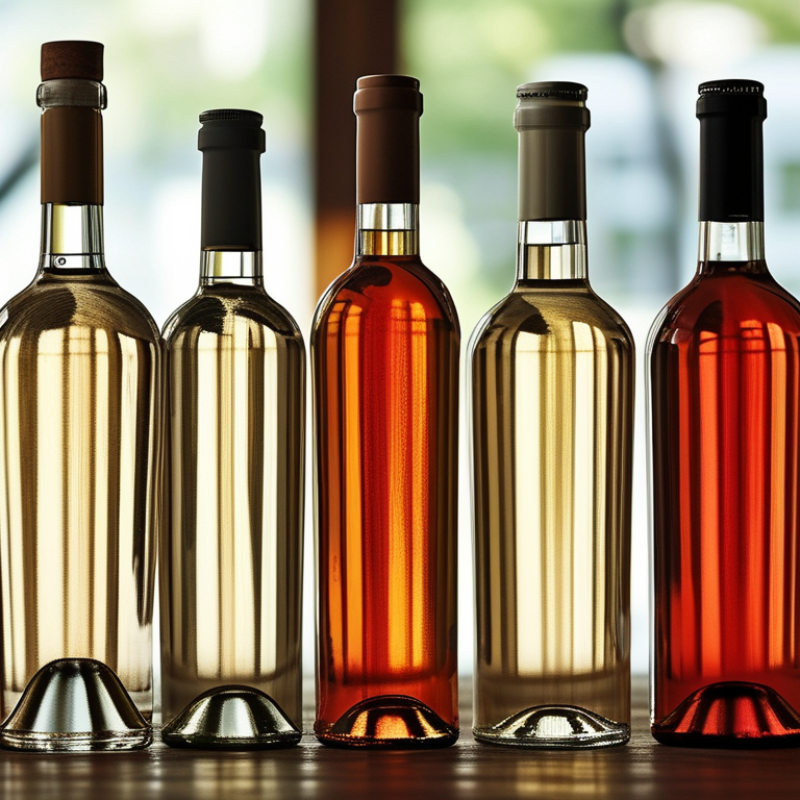
Clear glass is often preferred for showcasing the vibrant hues of a spirit.
However, colored glass can provide better protection from UV light, which can degrade certain liquors over time.
Each bottle's shape and design can also affect how a spirit breathes, impacting flavors during storage.
Different bottle closures, like cork versus screw caps, alter oxygen exposure.
Corks can allow micro-oxygenation, enriching the spirit's profile. Yet, they may lead to undesirable cork taint if not properly handled.
On the other hand, screw caps provide a tighter seal, preserving freshness but may sacrifice some complexity.
This reflects the crucial balance between tradition and innovation in spirit packaging.
The weight and thickness of the bottle can also play a role.
Heavier bottles tend to offer a sense of premium quality, but they can be unwieldy.
A delicate bottle may enhance the aesthetic but lacks durability.
It’s important to reflect on how these design choices align with your brand or personal preference.
Ultimately, every detail counts in creating an exceptional spirit experience.
Factors to Consider When Choosing Glass Bottles for Spirits
Choosing the right glass bottle for spirits involves several crucial factors. The first consideration is the material. High-quality glass minimizes reactions that may alter the flavor. According to the Glass Packaging Institute, over 85% of consumers prefer glass for spirits. This preference is largely due to glass being inert, allowing the spirit's true profile to shine through.
Another key factor is bottle design. A well-designed bottle not only enhances aesthetics but also impacts functionality. For instance, the thickness of the glass affects the durability. Premium spirits often come in thicker bottles, providing a sense of value. Reports indicate that bottle design influences purchasing decisions by up to 76% among consumers, underscoring the importance of visual appeal in an often crowded market.
Lastly, sustainability plays a significant role in selecting glass bottles. Many manufacturers are now using recycled materials, which align with consumer preferences for eco-friendly packaging. According to recent studies, 72% of consumers are more likely to support brands that prioritize sustainability. Reflecting on these factors can guide distillers and marketers in making informed choices that resonate with their audience.
The Role of Bottle Design in Marketing and Consumer Perception
The role of bottle design in marketing and consumer perception cannot be underestimated. A glass bottle for spirits is not just a container; it’s an experience. The shape, color, and label contribute to a consumer’s first impression. A unique design can attract attention on crowded shelves. An elegant bottle can convey luxury, while a rustic design may suggest authenticity.
Tips: Choose colors that evoke feelings aligned with your brand. Clear, green, or brown glass bottles can indicate high-quality spirits. Engaging label designs should reflect the personality of the drink. Consider using textures or embossing for a tactile element.
Moreover, a well-designed bottle speaks to your product’s story. It can set expectations for taste and quality. Consumers often associate the bottle’s appearance with the drink inside. However, overcomplicating design can confuse rather than attract. Simplicity often works best. Reflecting on these design decisions is crucial.
Tips: Test different designs with focus groups for feedback. Understand that market preferences can shift. Keeping abreast of design trends will help maintain relevance. Investing in thoughtful design can enhance brand loyalty and customer satisfaction.
Environmental Considerations in Selecting Glass Bottles for Spirits
Selecting the right glass bottle for spirits involves significant environmental considerations. Glass production is energy-intensive, contributing to high carbon emissions. According to a study by the Glass Packaging Institute, glass production generates approximately 1.5 tons of CO2 for every ton of glass produced. This figure highlights the importance of sustainable practices in the spirits industry.
Recycling glass can mitigate some of these impacts. The Environmental Protection Agency reports that recycled glass reduces energy consumption by about 30%. However, only about 30% of glass bottles are recycled in the U.S. The industry must tackle this disconnect by promoting programs to boost recycling rates. Improved recycling infrastructure could enhance sustainability in the spirits market but lacks universal implementation.
Moreover, using lightweight glass can lower transportation emissions. A shift to lighter bottles can reduce overall environmental footprint. Some distilleries are experimenting with this approach. However, balancing strength and weight remains a challenge. Brands often wrestle with the risk of using thinner glass in a market that values durability. Exploring alternative materials might offer additional solutions, but data on their environmental benefits is still emerging.
FAQS
: Bottle design significantly influences consumer perception. It shapes first impressions and attracts attention on shelves.
Colors can evoke specific emotions. Clear or green bottles often indicate high-quality spirits and convey brand values.
Overcomplicated designs can confuse consumers. Simplicity tends to attract more attention and communicates quality effectively.
Textures and embossing provide a tactile element, enhancing the experience. They create a connection with the product's personality.
Glass production is energy-intensive, generating high carbon emissions. This highlights the need for sustainable practices in the industry.
Recycling reduces energy consumption significantly. However, participation rates in recycling programs need improvement for better sustainability.
While lightweight glass lowers emissions, it raises durability concerns. Brands face risks of using thinner materials in strong markets.
Programs that boost recycling rates are necessary. Improved infrastructure for recycling can greatly benefit the spirits market.
Market preferences can shift over time. Keeping up with design trends is vital for maintaining relevance and customer satisfaction.
Testing designs with focus groups can provide valuable feedback. Reflection on design choices is essential for success.
Conclusion
Choosing the right glass bottle for spirits is crucial for preserving flavor, aroma, and overall quality. Glass bottles serve as a barrier against light and air, both of which can deteriorate the spirit over time. Different types of glass bottles can influence spirit quality; for instance, darker glass can protect against UV rays, while clear glass allows for aesthetic appeal. When considering how to choose the right glass bottle for spirits, factors such as bottle shape, size, and closure type must also be taken into account, as these elements affect both functionality and consumer perception.
In addition to practical considerations, the role of bottle design in marketing is significant. A well-designed bottle can enhance brand image and attract consumers, creating a strong first impression. Moreover, with growing environmental awareness, selecting sustainable materials for glass bottles can appeal to eco-conscious consumers, making it essential to weigh environmental considerations alongside aesthetic and functional factors when choosing glass bottles for spirits.

 Swapora Bottle