Choosing a wine closure in 2026 means balancing sensory goals, production needs, and what customers expect when they open a bottle. For wineries, how to choose between cork and screw cap closures is not simply a matter of tradition versus convenience. The decision can influence oxygen exposure, bottle-to-bottle consistency, storage advice, and the experience at the table.
Natural cork offers a familiar opening ritual and suits wines intended for gradual development, but cork quality and bottling conditions matter. Screw caps provide a consistent seal and easy opening; their liners can be selected to support different oxygen-transfer targets. Neither is perfect. A closure alone cannot guarantee a wine’s quality or aging potential. The wine, packaging line, and storage conditions all play a part.
A practical choice starts with the wine’s intended lifespan and style. A fresh white served soon after purchase may have different needs from a structured red expected to mature for years. Producers should also review closure specifications, trial results, bottling compatibility, and feedback from distributors and drinkers. Ask suppliers for clear technical data, rather than relying on broad claims about performance or sustainability. Details matter. Material sourcing, recycling systems, and consumer habits can vary by market, so environmental comparisons deserve careful checking. This guide examines the trade-offs and the questions worth asking before selecting a closure. Some decisions remain uncertain until a wine has been tested over time.
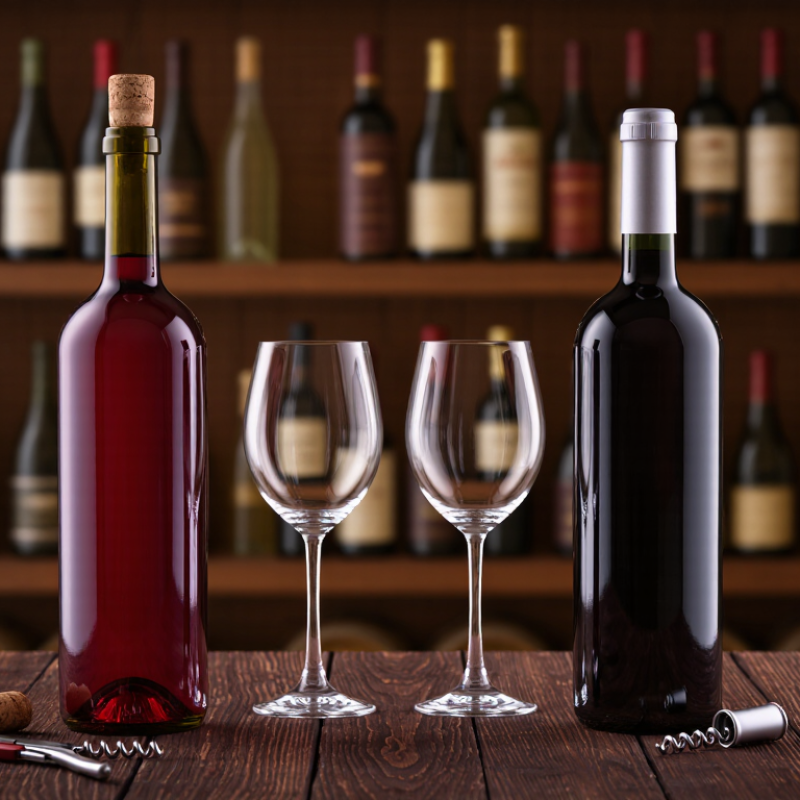
Cork and screw caps create seals in different ways. A natural cork is compressed during bottling, then expands against the glass neck. Technical corks use cork granules or layers, giving producers more control over consistency. A screw cap uses an aluminum shell and a liner; the liner, not the metal, largely governs oxygen transfer. Small details matter. A liner with lower oxygen transmission can help preserve fresh fruit, while a more permeable liner may suit a wine intended to evolve. These are tendencies, not guarantees.
The Australian Wine Research Institute’s 2005 Semillon trial compared 14 closure types and tracked wine changes over 24 months. Its data showed meaningful differences in oxygen ingress, sulfur dioxide retention, and sensory development across closures. That evidence is useful, but it does not establish one universal winner: wine style, bottling conditions, and storage also shape outcomes. AWRI technical guidance likewise treats screw-cap liners as distinct options, rather than assuming every cap performs alike. On a tasting bench, compare the same wine under different closures; note fruit freshness, oxidation, and any struck-match character. It can be a humbling test. Sensory impressions vary, and a closure choice should match the wine’s intended life, not a simple cork-versus-cap rule.
Closure choice should begin with the wine, not a rule about tradition. Fresh whites and youthful reds often suit a seal that limits oxygen entry, preserving fruit and lively acidity. Think of citrus zest, crisp pear, or bright berry notes. These wines are usually enjoyed young. Small details matter.
For wines meant to develop in the bottle, consider their structure and expected drinking window. Tannins, acidity, and concentration can support aging, but neither cork nor a screw cap guarantees a particular result. Cork allows gradual oxygen exposure, though the amount can vary between individual closures. Screw caps also vary: their liners influence oxygen transfer, so “screw cap” does not describe one uniform aging environment. A cellar’s steady temperature and careful bottling practices matter too.
Match the closure to the style you want after several years. A delicate aromatic wine may lose freshness sooner if oxygen exposure is higher than intended. A robust red may evolve well under either closure when the wine and packaging are suited to the plan. In tasting comparisons, note aroma, color, and texture, not just the closure. I would not pretend the choice is perfectly predictable. Producers should test their wines over time, because small differences can become noticeable later.
| Decision factor | Natural cork | Screw cap | How it affects the choice |
|---|---|---|---|
| Wine style | Often chosen for traditional still wines and bottles intended for extended cellaring. | Commonly used for aromatic whites, rosé, and wines where freshness is a priority; also suitable for many reds. | Neither closure is limited to one color or style. Match the closure’s oxygen-transfer characteristics to the wine’s needs. |
| Aging objective | Can support gradual bottle development, but oxygen transmission varies among corks and individual bottles. | Can provide a consistent seal; liner options differ in oxygen transmission, so screw caps are not all equally restrictive. | For wines planned to age, choose a tested closure specification and validate it with bottling trials rather than relying on closure type alone. |
| Freshness and aroma | A well-selected cork can preserve wine quality, although oxygen exposure may vary from bottle to bottle. | A low-oxygen-transfer liner can help retain freshness and primary aromas when the wine and bottling process are suited to it. | For crisp, fruit-forward wines, evaluate the liner’s oxygen-transfer profile and the wine’s reduction sensitivity. |
| Bottle variation | Natural material can show variation in oxygen transmission, and cork taint can occur if a cork is contaminated with TCA. | Manufactured liners generally offer consistent specifications when correctly selected and applied; they avoid cork-derived TCA taint. | Consider consistency requirements, supplier quality controls, and the desired sensory profile across the full bottling run. |
| Reduction risk | Oxygen entry varies, so the wine’s condition also depends on wine chemistry and bottling oxygen management. | Very low oxygen transfer can contribute to reductive aromas in susceptible wines; liner choice and winemaking practices matter. | Assess sulfur management, dissolved oxygen at bottling, and prior trial results before selecting a low-transfer closure. |
| Opening and resealing | Requires a corkscrew and may need care when opening older or fragile corks. | Opens without a corkscrew and is generally easy to reseal for short-term storage. | Choose based on serving context, consumer expectations, and convenience—not aging potential alone. |
| Best-fit approach | Consider when tradition, presentation, and a selected cork specification align with the wine’s intended evolution. | Consider when reliable opening, closure consistency, or a defined oxygen-transfer liner is a priority. | Test the finished wine under realistic storage conditions. Bottle orientation, temperature, light, and closure application also affect results. |
Note: Closure performance depends on the specific cork or screw-cap liner, bottling conditions, wine composition, and storage environment. No closure guarantees a particular aging outcome.
Cork and screw caps can both protect wine, but they manage oxygen differently. Natural cork allows tiny, variable amounts of oxygen to pass through, and individual corks may not behave exactly alike. A sound cork should fit snugly, without cracks or damp, musty odors when removed. Small details matter.
Screw caps generally offer more consistent seals, especially when the cap is applied with the correct pressure and its liner is undamaged. Their oxygen transfer still varies by liner type, so “screw cap” does not mean one fixed aging profile. For wines meant to stay fresh over a few years, that predictability can be useful. For long storage, check the producer’s guidance rather than assuming either closure guarantees better results.
Storage conditions can expose the difference. Keep bottles away from heat and sharp temperature swings; a warm kitchen shelf is a poor choice for either closure. Cork-sealed bottles are traditionally stored on their sides, which helps keep the cork in contact with wine, though stable humidity matters too. Screw-cap bottles can usually stand upright without drying a cork. I used to treat closure choice as a simple quality signal. That was too neat: wine style, closure specification, and storage history all matter, and none is visible from the cap alone.
Choosing a wine closure in 2026 means weighing material impact against price and the moment a customer opens the bottle. McKinsey’s 2023 US consumer survey found that 60% of respondents were willing to pay more for sustainable packaging. That preference matters, but it does not guarantee a premium bottle will sell.
The International Organisation of Vine and Wine reported that global wine consumption fell 2.6% in 2023, to 214 million hectolitres. In a tighter market, closure costs deserve close attention.
Natural cork comes from harvested bark, which regrows, and its tactile pull can signal tradition and occasion. Screw caps offer a consistent opening and can suit wines meant for straightforward, everyday use. Neither option is automatically greener. Cork’s impact depends on responsible forestry and transport; a cap’s recyclability depends on local collection and sorting.
Ask suppliers for lifecycle data, not just a sustainability claim. Check closure cost per bottle, rejection rates, and how the package feels in the hand. Small details matter. A cap that customers associate with convenience may still disappoint buyers expecting a cork ritual.
I would test both with actual customers before committing. That is not perfect evidence, but it is better than guessing.
Choose the closure around the wine’s intended life, service setting, and desired evolution. For a fresh white meant for early drinking, a screw cap with a low-oxygen-transmission liner can help preserve crisp aromas. For a wine expected to develop in bottle, a quality cork may suit the desired gradual oxygen exposure and familiar opening ritual. Neither choice guarantees the result. Bottling oxygen, storage temperature, and liner or cork variation also matter.
The Australian Wine Research Institute’s closure research tracks oxygen ingress alongside free sulfur dioxide and colour changes during storage. These measurements show why “cork versus screw cap” is too simple: screw-cap liners can have different oxygen transmission, while cork performance varies between individual closures. Ask suppliers for technical data on the exact closure, not just its category. Then run a small bottling trial and taste samples at planned intervals. Twelve months is a useful checkpoint; longer monitoring fits wines with longer intended cellaring.
Consider the cellar, too. A dusty rack, warm warehouse, or bottling line with inconsistent headspace can undermine careful closure selection. Practical details count. Screw caps support quick, tool-free service; cork needs suitable extraction and storage handling. I would not choose by tradition alone—or by one trial tasting. Trial conditions can be imperfect, and that is worth admitting. Record the closure specification, bottling date, storage temperature, and sensory notes so the next decision rests on evidence, not habit.
A seal that limits oxygen can help preserve citrus zest, crisp pear, and lively acidity. These wines are often enjoyed young.
No. Cork allows gradual oxygen exposure, but the amount can vary between closures. A steady cellar temperature matters too.
Yes. Their liners affect oxygen transfer, so screw caps do not all create the same aging conditions.
They should consider tannins, acidity, concentration, and the expected drinking window. Packaging and bottling practices matter as well.
Taste them over time. Note aroma, color, and texture, rather than focusing only on the closure. Small details matter.
Neither is automatically greener. Cork depends on responsible harvesting and transport; cap recycling depends on local collection and sorting.
Compare cost per bottle and rejection rates. Test how customers respond to the opening experience, including the feel of a cork pull or cap twist.
Not perfectly. A delicate wine may lose freshness with more oxygen exposure, while a robust red may develop well under either option. I might still be underestimating small differences.
Choosing a wine closure begins with understanding how each option works. Natural cork, technical cork, and screw caps differ in structure, oxygen transfer, handling, and consistency. The right choice depends on the wine’s style and intended aging: wines meant for earlier enjoyment may benefit from dependable, easy-to-open sealing, while wines intended to mature need a closure suited to their storage period and desired development.
To decide how to choose between cork and screw cap closures, compare seal performance and variation between bottles, as well as storage conditions and opening convenience. Consider sustainability, production and packaging costs, and the expectations of the people who will buy and serve the wine. There is no single best closure for every bottle. Matching the closure to the wine’s character, aging goals, bottling priorities, and market preferences can help preserve quality and create a more consistent experience.

Swapora Bottle