Selecting the right glass bottle for spirits can greatly influence both appearance and preservation. At the upcoming Canton Fair, the emphasis on quality craftsmanship in manufacturing will provide an excellent opportunity for buyers. The right bottle not only enhances the product's appeal but also serves its functional purpose.
When considering how to choose the right glass bottle for spirits, think about the design and material. A unique shape can attract consumers, while high-quality glass ensures safety. Pay attention to certifications like ISO and CE, which can reflect a supplier's reliability. The fair’s AI search tools could help you find certified vendors easily.
Be aware of common pitfalls. A beautiful bottle might be less functional if it cannot withstand transport damages. Consider how the bottle's design impacts branding and shelf presence. Every detail counts in creating the perfect match for your spirit. Choose wisely, as the right bottle can elevate your product and contribute to its success.
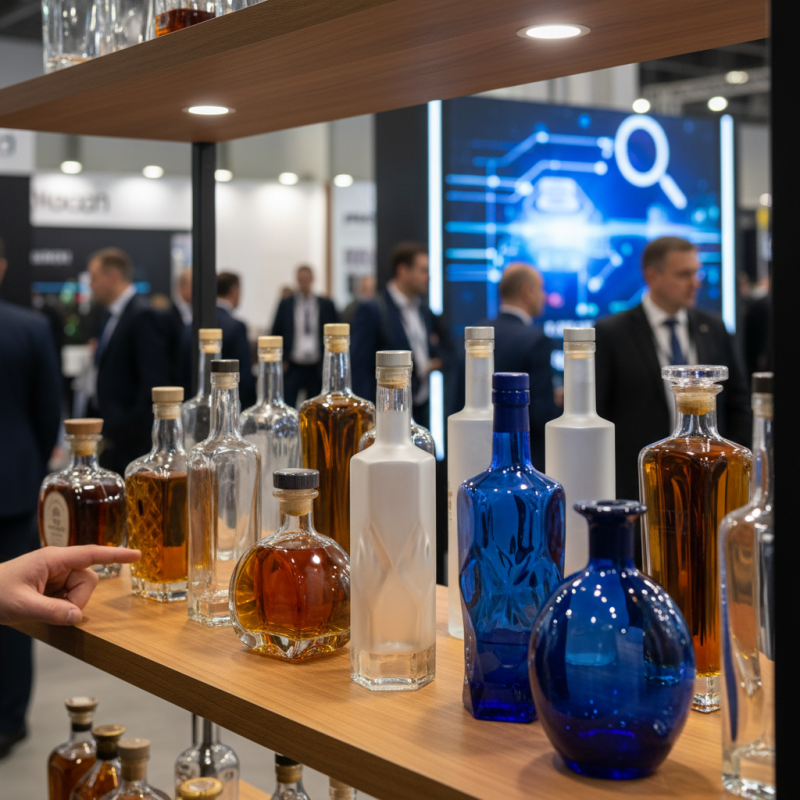
When selecting the right glass bottle for spirits, quality is paramount. The glass used in bottling can significantly affect the product's preservation and presentation. High-quality glass prevents contamination, ensuring the spirit's taste remains pure. Poor-quality glass may leach harmful substances, impacting safety. Always prioritize clarity and sturdiness in bottle design. Imperfections in glass can result in bad branding impressions.
Tips: Look for samples before purchasing. Examine the glass for any flaws or air bubbles. These imperfections can alter the appearance of your product. Aim for a finish that complements your spirit's character.
Additionally, consider the weight of the glass. Heavier bottles often boast higher quality, but they can increase shipping costs. Balance aesthetics and practicality. Reflect on how your bottle choice aligns with your brand image. The right glass bottle isn't just a container; it's an extension of your spirit's identity.
Choosing the right glass bottle for spirits requires careful consideration of bottle shapes. Different spirits can benefit from specific shapes. For instance, whiskey often comes in squat, wide bottles. This design enhances the perception of richness and depth. Meanwhile, vodka typically uses slender, tall bottles. They convey purity and elegance, appealing to a refined audience.
When selecting a bottle, aspects like ergonomics and aesthetics play a role. A bottle should feel good in hand. Heavier bases often suggest quality. Conversely, lighter bottles may feel cheap. The label's visibility also matters. A unique shape can attract attention on crowded shelves. Yet, a complex design can hinder production and increase costs.
Sometimes, less is more. A simple bottle can enhance a spirit's allure. It invites consumers to focus on the liquid inside. Reflecting on trends, it's vital to balance novelty with tradition. Consumers often prefer familiar shapes that evoke nostalgia. Examining market demands thoroughly can guide optimal choices. Consider focusing on specific features relevant to the target audience.
Choosing the right closure for your spirit bottles is crucial. Two popular options are cork and screw caps. According to industry reports, approximately 50% of spirits are bottled with cork closures, while screw caps account for about 30%. Each option has its advantages and drawbacks.
Corks offer a traditional appeal. They allow for some oxygen exchange, benefiting aging spirits. However, corks can also lead to spoilage issues. Estimates suggest that cork taint affects 2-5% of bottled wines and spirits. This risk might deter some consumers.
Screw caps provide a modern alternative. They create a tight seal, reducing the risk of spoilage. Recent surveys show 70% of consumers prefer screw caps for consistent quality. However, some may feel that screw caps lack the prestige of cork. This perception can influence buying decisions.
Tips: Always consider your target audience’s preference. If they value tradition, go with cork. If they prefer practicality, choose screw caps. Ensure your bottle design complements the closure style. Having an appealing look can enhance your brand's image.
| Closure Type | Material | Advantages | Disadvantages | Recommended Spirits |
|---|---|---|---|---|
| Cork | Natural Cork | Traditional, allows slight oxygen ingress, perceived premium quality | Risk of cork taint, can dry out and lead to leakage, requires careful storage | Whiskey, Rum, Brandy |
| Screw Cap | Aluminum or Plastic | No cork taint risk, easy to open and reseal, consistent seal | Perceived lower quality by some consumers, limited aging potential | Vodka, Gin, Liqueurs |
| Composite Cork | Cork and Synthetic Mix | Balance between quality and cost, reduced risk of taint | May not provide the same quality perception as natural cork | Spirit blends, Flavored Spirits |
When choosing a glass bottle for spirits, sustainability matters. Eco-friendly options are becoming more popular. Consumers care about the environment. They want to know that their purchase has a minimal impact. Many glass bottles can be recycled, making them a better choice than plastic. However, not all glass is created equal.
Look for bottles made from recycled glass. This material reduces energy use in production. Bottles with a lower carbon footprint are increasingly available. Assess the manufacturing process; sustainable practices often leave less waste behind. This choice reflects consideration for the planet, aligning with eco-conscious values.
Tips: Check for certifications that indicate sustainability. Look for companies committed to reducing waste. Select designs that can be reused. Pick shapes that are versatile for other uses. Remember, a decision made today can influence environmental health tomorrow. Make your choice thoughtfully.
When considering glass bottle design for spirits, consumer preferences are crucial. Today’s market shows a strong inclination towards unique shapes. Many buyers admire bottles that stand out on store shelves. They prefer designs that tell a story or evoke a sense of heritage. This trend highlights the importance of craftsmanship. A hand-blown bottle often has a magic charm that mass-produced versions lack.
Colors also play a significant role. Transparent bottles allow consumers to appreciate the product inside. Meanwhile, colored glass adds character, inspiring curiosity. Matte finishes give a sophisticated touch, appealing to upscale brands. Yet, not all designs convey the right message. Some consumers may find elaborate designs overwhelming or outdated. Simplicity is sometimes more effective, allowing the spirit itself to shine.
Another key aspect is functionality. A good bottle should not only look appealing. Practical elements, like ease of pouring, are just as important. Consumers might hesitate if a bottle is difficult to handle. They desire aesthetics combined with usability. There’s room for improvement, especially in eco-friendly practices. While many bottles are beautiful, they should also be sustainable.
: High-quality glass prevents contamination, ensuring the spirit's taste remains pure and safe.
Imperfections like air bubbles can create bad impressions, impacting how consumers perceive your brand.
Consider ergonomics and aesthetics. The shape should feel good in hand and enhance product visibility.
Yes, unique shapes attract buyers and tell a story, but they must also represent the spirit's identity.
Heavier bottles often suggest higher quality, while lighter ones may feel cheap and impact sales negatively.
Transparent bottles showcase the product, while colored glass adds character; matte finishes appeal to upscale tastes.
Absolutely, ease of pouring is vital. Consumers prefer bottles that are both attractive and functional.
Trends toward unique designs are strong, but consumers also value familiarity that evokes nostalgia and tradition.
Balance aesthetics with practicality, ensuring the design aligns with brand image while remaining user-friendly.
Consider eco-friendly practices and materials, as sustainability is increasingly important for consumer preferences.
Choosing the right glass bottle for spirits involves several key considerations that can significantly impact a brand's identity and consumer appeal. First, understanding the importance of glass quality in spirit bottling is crucial, as it affects the preservation and presentation of the product. Additionally, identifying optimal bottle shapes for different types of spirits can enhance the drinking experience and attract consumers.
When evaluating closure options, the choice between cork and screw caps can influence both functionality and perception of quality. Sustainability is another vital factor; opting for eco-friendly glass bottle options can resonate with environmentally conscious consumers. Lastly, analyzing market trends reveals consumer preferences in glass bottle design, helping brands to align their packaging with current demands. By focusing on these elements, businesses can effectively navigate how to choose the right glass bottle for spirits, ensuring their products stand out in a competitive market.

Swapora Bottle