How to Choose the Right Bottle Size for Alcohol Products?

Time:2026-05-11 Author:Amelia
0%

Choosing the right bottle size for alcohol products can significantly impact sales and customer satisfaction. Research indicates that 70% of consumers consider bottle size when making purchases. Understanding how to select bottle size for alcohol products is crucial for brands trying to meet market demands.

A study by Beverage Marketing Corporation indicates that smaller bottles are gaining popularity, especially among younger consumers. This shift reflects a desire for convenience and lower price points. Additionally, larger bottles remain favored for gatherings and special occasions. Balancing these trends is essential for manufacturers.

However, the choice isn't straightforward. Overlooking market trends or consumer preferences can lead to excess inventory or lost sales. Reflecting on feedback from consumers is vital. Brands should be prepared to adapt to changing preferences. Deciding on the right bottle size is more than just a marketing tactic; it requires a deep understanding of consumer behavior.
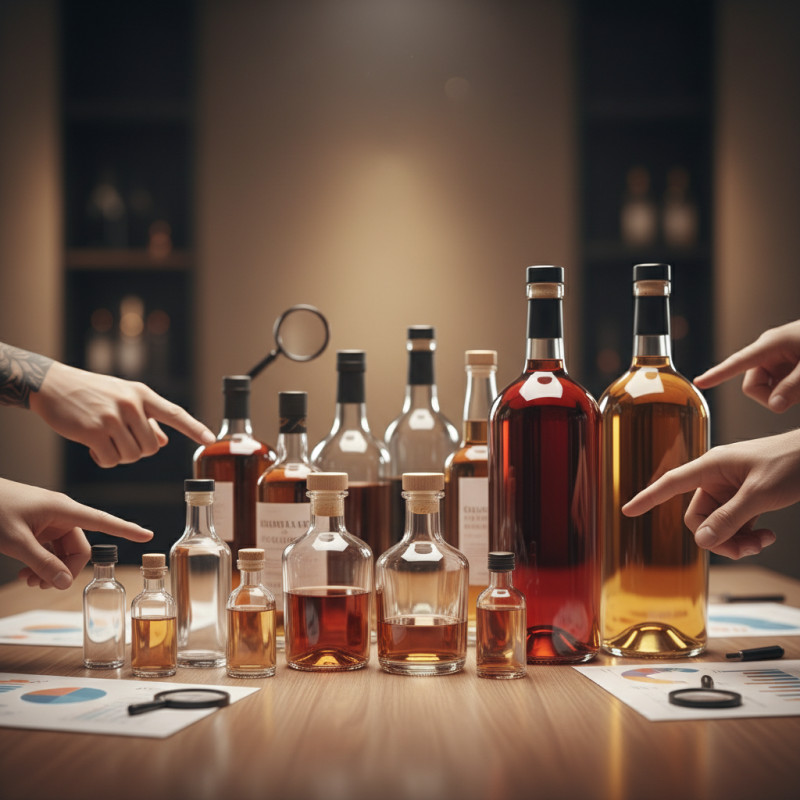
How to Choose the Right Bottle Size for Alcohol Products?

Understanding Different Alcohol Bottle Sizes and Their Uses

Choosing the right bottle size for alcohol products can be challenging. Different occasions and consumption rates should guide your choice. For instance, a standard wine bottle holds 750ml. However, larger bottles, like magnums (1.5 liters), often appeal to celebrations, offering more shareable options.

Research shows that smaller bottles, such as 375ml half-bottles, are ideal for solo drinkers or couples. They minimize waste and encourage sampling of various wines. In fact, according to the Beverage Marketing Corporation, smaller formats are gaining popularity, with sales rising by 15% in recent years. This trend reflects a shift towards more mindful drinking habits.

Consider the impact of bottle size in spirits, too. A standard whiskey bottle usually contains 750ml. However, bars often stock 1-liter or even 1.75-liter bottles for efficiency. These sizes cater to high-volume consumers, but managing inventory can be tricky. Observing consumption patterns could reveal that some larger bottles remain unopened longer than expected. Regular evaluations of sales data and customer preferences can guide better inventory decisions.

Factors Influencing Bottle Size Choices for Alcoholic Beverages

Selecting the perfect bottle size for alcoholic beverages hinges on various influential factors. Consumers often rely on tradition and personal preferences. Reports indicate that 750 ml bottles dominate the wine market, representing nearly 70% of sales. This size appeals to wine enthusiasts who appreciate sharing a bottle during meals and celebrations. However, 375 ml bottles are gaining traction, catering to those seeking a smaller, less committing purchase.

Market trends also reveal that premium spirits often come in smaller sizes. Mini bottles, usually 50 ml, are increasingly popular among younger consumers. This trend reflects a desire for experimentation without significant financial risk. Additionally, events like festivals and gatherings often dictate bottle sizes. Portable options appeal to festival-goers who prioritize convenience over quantity. While smaller bottles reduce waste, they can lead to higher per-unit costs, challenging budget-conscious consumers.

Innovative packaging designs are also shaping bottle size decisions. Research shows that eco-friendly materials are favored by a growing segment of the market. Consumers are looking for sustainable options, which can sometimes limit available sizes and formats. Although traditional sizes are well-established, adapting to current consumer trends is crucial. The dynamics of choice are continually evolving, illustrating the complex nature of selecting the right bottle size.

Common Bottle Sizes for Various Types of Alcohol Products

When selecting the right bottle size for alcohol products, understanding common sizes is crucial. For spirits, standard bottles typically hold 750 milliliters. This size works well for most consumers and is widely recognized. It fits nicely in bars and homes alike. Many premium liquors also come in this size. For those who enjoy casual drinking, a smaller 375-milliliter option is available.

Beer often comes in longer formats, like 330 or 500 milliliters. These sizes allow for easy sharing during social occasions. A pint, which is 473 milliliters, remains popular in pubs and restaurants. Choosing the right size can enhance the drinking experience, but personal preference is key.

Wine bottles generally range between 750 milliliters and larger formats, like magnums, which are 1.5 liters. These larger bottles can be perfect for gatherings, yet they may lead to wastage. Think about the occasion and the number of guests. Sometimes, opting for a smaller bottle can be both practical and economical. Balancing size and need is part of the decision-making process.

How to Choose the Right Bottle Size for Alcohol Products

Type of Alcohol Common Bottle Sizes (ml) Average Volume (L) Typical Usage
Whiskey 700, 750, 1000 0.7, 0.75, 1.0 Personal use, gifting
Vodka 500, 700, 1000, 2000 0.5, 0.7, 1.0, 2.0 Cocktails, parties
Wine 375, 750, 1500 0.375, 0.75, 1.5 Dining, events
Beer 330, 500, 1000 0.33, 0.5, 1.0 Casual drinking
Liqueurs 500, 700 0.5, 0.7 Desserts, cocktails

The Impact of Bottle Size on Pricing and Consumer Perception

When it comes to alcohol products, bottle size plays a critical role in pricing and how consumers perceive value. A standard 750ml bottle is often viewed as the classic choice. Yet, larger bottles, like magnums, can convey luxury. They create an assumption of higher quality, yet they come with a higher price tag. Consumers may feel they are receiving something more exclusive, even if the liquid inside is similar.

Smaller bottles provide convenience and affordability. They cater to those who want to try different varieties without committing to a larger size. This can influence consumer decisions and create excitement around new products. However, they might also lead to assumptions of lesser quality, which can affect overall brand perception. Understanding what size fits best can be a challenge for producers.

Pricing strategies often correlate with bottle sizes. Larger bottles usually have a better price per ounce, leading consumers to feel they're saving money. Yet, this isn’t always the case. It's important for consumers to understand the nuances. The choice of bottle size must reflect both the brand image and consumer desires. Addressing these factors helps in building a connection with the target audience.

Sustainability Considerations When Selecting Alcohol Bottle Sizes

When selecting bottle sizes for alcohol products, sustainability plays a crucial role. According to a report from the Beverage Marketing Corporation, the beverage container recycling rate is only about 29%. This underscores the importance of choosing the right materials and sizes that minimize waste. Smaller bottles may encourage consumption without excess, while larger ones often lead to higher waste levels.

Environmental impact is a pressing issue. A study by Global Data highlights that consumers are increasingly seeking eco-friendly packaging. 66% of surveyed individuals prefer products that utilize sustainable materials. This trend reflects a shift toward responsible consumption. Bottles made from recyclable glass or lightweight materials can reduce carbon footprints significantly.

Moreover, striking a balance is essential. Consider the market demand and consumer preferences. While smaller sizes can aid in reducing waste, they may not always be practical for events or social gatherings. A mindful approach can lead to better choices that align with both business goals and sustainability ideals. Every bottle size decision can contribute to a more sustainable future.

Alcohol Bottle Sizes and Their Environmental Impact

This chart illustrates the carbon footprint associated with different sizes of alcohol bottles. Smaller bottles generally have a lower environmental impact compared to larger bottles. This information can assist consumers and producers in making sustainable choices.

FAQS

: What are the most common bottle sizes for wine?

: The most common wine bottle size is 750 ml, which accounts for nearly 70% of sales.

Why are smaller bottles gaining popularity?

Smaller bottles, like 375 ml, appeal to those wanting less commitment and the chance to try new options.

How do festivals influence bottle size choices?

Festivals often lead to a preference for portable and convenient bottle sizes rather than larger options.

What are the advantages of eco-friendly packaging?

Eco-friendly packaging options are preferred by many consumers looking for sustainable choices, despite limited sizes.

How can personal preference affect bottle choice?

Personal preference plays a significant role; some people prefer larger bottles for gatherings, others favor smaller sizes.

Are smaller bottles more expensive per unit?

Yes, while smaller bottles reduce waste, they can often lead to higher per-unit costs for consumers.

What size do spirits usually come in?

Most spirits are available in standard sizes of 750 ml, which is convenient for bars and homes.

Does beer come in various sizes?

Yes, beer typically comes in sizes like 330 or 500 ml, facilitating sharing during social gatherings.

What should consumers consider when choosing a bottle size?

Consumers should consider the occasion, number of guests, and personal drinking habits when choosing a bottle size.

How does bottle size influence the drinking experience?

The right bottle size can enhance the experience, aligning with the preferences and needs of the drinker.

Conclusion

Choosing the right bottle size for alcohol products is essential for both producers and consumers. Understanding different alcohol bottle sizes and their uses helps identify what is most suitable for various types of alcoholic beverages. Factors such as target market, distribution needs, and occasion all influence the decision on how to select bottle size for alcohol products. Common bottle sizes vary across categories, from miniatures to larger formats, each with distinct benefits.

The impact of bottle size extends to pricing strategies and consumer perception, as larger bottles may suggest value while smaller sizes offer convenience. Additionally, sustainability considerations are increasingly important, prompting brands to consider eco-friendly packaging options. Ultimately, making informed choices about bottle sizes can enhance both market appeal and environmental responsibility.

Amelia

Amelia

Amelia is a seasoned marketing professional with a wealth of expertise in our company’s core offerings. With an unwavering passion for driving growth and innovation, she plays a pivotal role in shaping our marketing strategies and enhancing brand visibility. A key aspect of her responsibilities......