In today's competitive market, businesses seek unique ways to stand out. One strategy gaining traction is how to customize glass bottles for branding. Recent studies suggest that 72% of consumers prefer products in custom packaging. This trend highlights the importance of distinct branding in attracting customers.
Custom glass bottles can enhance brand visibility and foster customer loyalty. Research indicates that 64% of consumers make purchasing decisions based on the product's packaging alone. Personalization options, such as embossed logos and unique colors, can differentiate a brand. However, the challenge lies in ensuring that customization resonates with the target audience.
Brands must reflect on their messaging and design choices. Every customization choice should align with brand values. Furthermore, it’s essential to balance aesthetics with functionality. While beautiful designs catch the eye, practicality retains user interest. Thus, customizing glass bottles isn't just about visual appeal—it's about creating lasting connections with consumers.
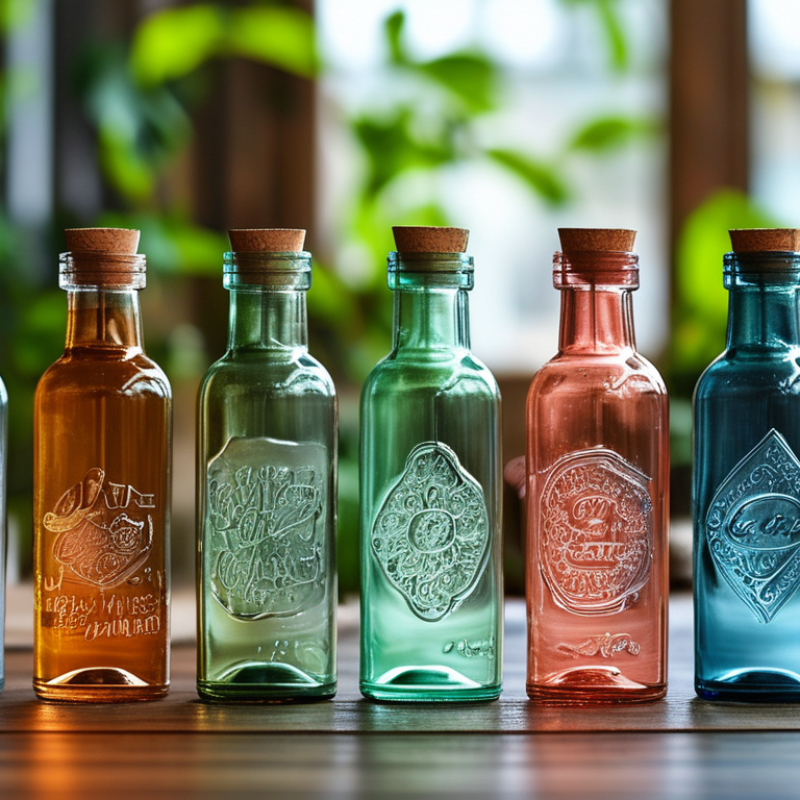
Importance of Customizing Glass Bottles for Brand Identity
Customizing glass bottles is crucial for establishing a strong brand identity. According to recent reports, 73% of consumers prefer products with personalized packaging. This highlights the growing importance of visuals in the marketplace. Brands that invest in unique designs gain recognition and loyalty. Glass bottles, known for their sustainability, provide an excellent canvas for originality.
Creating an eye-catching design is vital. Consider incorporating colors and patterns that resonate with your target audience. Research indicates that brand colors influence 85% of consumers' purchasing decisions. Incorporate your logo to enhance brand recall. A well-placed logo can act as a silent salesperson.
Focus on quality. According to a study, 61% of consumers believe that well-designed packaging increases their perception of product quality. Aim for a balance between aesthetic and practical needs. Ensure that your customized bottle is functional while being visually appealing. Even minor flaws in the design can distract from the overall impression, making attention to detail critical.
Tips: Keep your designs simple yet impactful. Experiment with textures and finishes that attract customers’ touches. Test various designs to gauge consumer response. This approach allows for reflection on what truly captures consumer interest.
Choosing the Right Design Elements for Glass Bottle Customization
When customizing glass bottles, the right design elements play a crucial role in branding. Start with color. The choice of color can evoke emotions and attract customers. For example, warm tones like red or orange can create feelings of excitement. In contrast, cooler colors like blue often promote calmness. Think about your brand's personality. This will guide your color selection.
Next, consider the shape of the bottle. Unique shapes catch the eye. A distinctive silhouette can make your product stand out on the shelf. Classic shapes can convey elegance, while quirky designs may appeal to a younger audience. Don't forget about the label. High-quality materials and creative designs give a professional touch.
Fonts matter, too. A well-chosen font reflects your brand's voice. It can be modern, playful, or classic. Be mindful of readability. Overly intricate fonts may confuse customers. Lastly, consider adding textures or finishes. Matte or glossy surfaces can change how a product is perceived. These details often reflect the quality customers expect. Emotional connections drive purchases, making design an essential aspect of branding success.
Top 10 Ways to Customize Glass Bottles for Branding Success
| Customization Method |
Description |
Benefits |
| Screen Printing |
Applying ink directly onto the bottle surface. |
Cost-effective, vibrant colors, suitable for large runs. |
| Labeling |
Using stickers or tags to display branding. |
Flexibility in design, easy to update or change. |
| Etching |
Using lasers to engrave designs onto glass. |
Durable, high-quality finish, upscale appearance. |
| Shrink Sleeves |
Applying a plastic sleeve that shrinks to fit the bottle. |
Full coverage, 360-degree branding, eye-catching designs. |
| Color Coating |
Adding a colored layer to the bottle surface. |
Unique look, can be combined with other techniques. |
| Custom Shapes |
Creating bottles in unique designs and shapes. |
Stand out on shelves, enhances product appeal. |
| Caps and Closures |
Customizing bottle caps to match branding. |
Completes branding, adds a touch of uniqueness. |
| Textured Finishes |
Adding texture to the bottle surface. |
Enhanced grip, sophisticated appearance. |
| Volume and Size Options |
Offering different sizes for various markets. |
Appeals to diverse consumer needs, enhances sales. |
| Sustainable Materials |
Using eco-friendly glass and materials. |
Attracts environmentally conscious consumers, promotes brand values. |
Printing Techniques for Effective Brand Messaging on Glass Bottles
In today’s competitive market, effective brand messaging on glass bottles can significantly enhance product visibility. Printing techniques play a pivotal role in creating a lasting impression. Research indicates that 75% of consumers prefer products with unique packaging. This preference highlights the need for innovative branding methods.
Digital printing offers flexibility and precision. It allows businesses to create detailed designs rapidly. A study by the Packaging Association found that 63% of consumers are more likely to purchase a product when they find its labeling attractive. Using vibrant colors and high-resolution images can catch the eye. However, the cost of digital printing can vary, often leading to budget constraints.
Screen printing is another reliable technique. It provides durability that withstands exposure to elements. It’s often favored for its ability to produce bold designs. Nevertheless, it can be time-consuming and may require larger minimum orders.
Tips: Always consider your target audience. Tailor your designs to appeal to their preferences. Test different techniques before finalizing. Understand how each method impacts production costs. This awareness can help in making informed decisions. Be mindful of potential limitations in design complexity and application versatility.
Utilizing Labels and Tags for Enhanced Brand Recognition
Customizing glass bottles for branding can significantly elevate your product’s appeal. One powerful method is through effective labels and tags. Quality labels not only communicate important information but also create a lasting impression. Choose materials that resonate with your brand's identity. Elegant paper or durable vinyl can transform a simple bottle into an eye-catching centerpiece.
Incorporating unique design elements is crucial. Bold colors, distinctive fonts, and engaging graphics can enhance brand recognition. Remember to consider legibility; consumers should easily read your message. Adding tactile elements, like embossing, can also enrich the customer experience. However, striking a balance between creativity and clarity can be challenging. Overly complicated designs may confuse your audience or dilute your brand message.
Tags offer another layer of customization. They can convey additional information or tell your brand's story. Utilize interesting shapes or textures to attract attention. However, leaving space for key details is essential. Sometimes, less is more. Reflecting on your design choices can help ensure they align with your overall branding goals. Ultimately, reflections on effectiveness and customer reaction will inform future adjustments.
Incorporating Eco-Friendly Practices in Bottle Customization
In today’s market, eco-friendly practices are essential for successful branding. Customizing glass bottles offers a unique opportunity to showcase sustainability. One effective way is to use recycled glass or biodegradable materials for bottle designs. This not only reduces environmental impact but also appeals to eco-conscious consumers. Customers often feel more connected to brands that prioritize environmental stewardship.
Another approach involves using water-based inks for labeling. These inks are less harmful to the environment than traditional solvents. They maintain vibrant colors and are durable. Brands can highlight their eco-friendly efforts through creative designs that communicate their values. Additionally, offering reusable bottles encourages customers to partake in a sustainable lifestyle.
While these methods sound effective, challenges exist. Some eco-friendly materials may increase production costs. Brands must balance sustainability with affordability. Also, not all consumers prioritize eco-friendly choices. Understanding this helps brands tailor their marketing strategies. Continuous feedback from customers can guide companies in refining their eco-branding efforts.
Conclusion
Customizing glass bottles is essential for enhancing brand identity and recognition. To effectively achieve this, businesses must understand how to customize glass bottles for branding by selecting appropriate design elements that reflect their values and appeal to their target audience. Utilizing various printing techniques can convey brand messaging clearly, while incorporating labels and tags can further elevate brand visibility.
Additionally, adopting eco-friendly practices in bottle customization not only meets consumer demand for sustainable products but also showcases a commitment to environmental responsibility. By focusing on these aspects, brands can create distinctive glass bottles that not only stand out on the shelf but also resonate with consumers, ultimately driving branding success.

 Swapora Bottle