How to Design Eco Friendly Packaging for Spirits that Sells?

Time:2026-05-31 Author:Isabella
0%

In recent years, the spirits industry has seen a growing demand for eco-friendly packaging solutions. As consumers become more environmentally conscious, brands must adapt to this shift. According to a report by Grand View Research, the global sustainable packaging market is projected to reach USD 650 billion by 2027. This highlights the urgency for brands to explore how to design eco friendly packaging for spirits that not only minimizes environmental impact but also appeals to customers.

Renowned packaging expert Dr. Sarah Thompson emphasizes this need, stating, “Eco-friendly packaging can be a game-changer in attracting today's eco-minded consumers.” Therefore, it becomes essential for spirits brands to align their packaging design with these evolving preferences. While many companies are making strides in this area, challenges remain. Sourcing sustainable materials and ensuring product protection can complicate the process.

Implementing eco-friendly practices requires a balance between aesthetics, functionality, and cost. The journey towards optimizing how to design eco friendly packaging for spirits involves continuous learning and adaptation. Brands must not only focus on compliance but should strive for innovation that resonates with their audience. Doing so can enhance brand loyalty while contributing to a healthier planet.
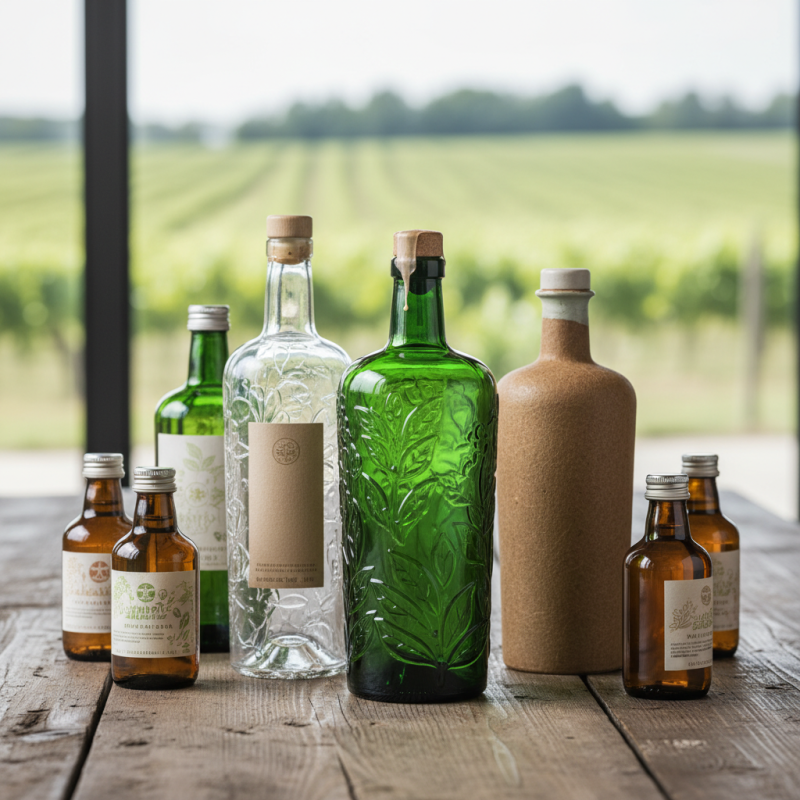
How to Design Eco Friendly Packaging for Spirits that Sells?

Understanding the Importance of Eco-Friendly Packaging in Spirits Industry

Eco-friendly packaging is becoming essential in the spirits industry. It reflects a commitment to sustainability, resonating with environmentally conscious consumers. Notably, consumers prefer brands that prioritize green initiatives. This choice can significantly impact purchasing decisions. Brands that implement eco-friendly practices can see increased loyalty and market share.

When designing packaging, consider materials carefully. Use recyclable or biodegradable options whenever possible. For instance, glass bottles have a lower environmental impact than plastic. Explore innovative designs that minimize material use. This not only cuts costs but also reduces waste.

Tips include collaborating with suppliers to source sustainable materials. They can offer insights into eco-friendly alternatives. Additionally, involve consumers in the design process. Gather feedback on preferences for sustainable packaging. Lastly, invest in eco-friendly inks and printing methods. These choices enhance visual appeal while supporting your environmental message.

Materials Selection: Sustainable Choices for Packaging Spirits

When selecting materials for eco-friendly spirit packaging, sustainability should guide your choices. Recent studies indicate that 54% of consumers prioritize sustainable packaging. This insight drives brands to rethink materials. Glass, while recyclable, presents a carbon footprint challenge. On average, producing one ton of glass can emit up to 1,200 kg of CO2.

Alternative materials such as bamboo, recycled paper, and bioplastics offer promising solutions. Bamboo grows quickly and absorbs CO2 efficiently. Recycled paper reduces landfill waste and utilizes less energy. Bioplastics, derived from renewable sources, break down more easily than traditional plastics, though their production is still evolving.

Brands must balance sustainability with aesthetics. Some materials may lack the visual appeal of glass or traditional options. This presents a dilemma. Additionally, sourcing sustainable materials often incurs higher costs. This challenge can be daunting for smaller producers. Reflecting on these trade-offs is essential for achieving genuine eco-friendliness. Engaging with consumers about these choices can enhance brand loyalty in today’s eco-conscious market.

How to Design Eco Friendly Packaging for Spirits that Sells?

Material Type Sustainability Rating Cost (per unit) Recyclable Biodegradability
Glass High $0.75 Yes Yes
Recycled Paper Medium $0.50 Yes Yes
Bamboo High $1.00 Yes Yes
Bioplastics Medium $0.80 Yes Yes
Metal (Aluminum) High $0.90 Yes No

Design Strategies: Balancing Aesthetics with Eco-Consciousness

When designing eco-friendly packaging for spirits, aesthetics and sustainability must coexist. This balance enhances brand image while respecting the environment. Using recyclable materials is essential, but the visual appeal cannot be neglected. Consumers are drawn to beautiful designs. Attractive packaging creates a first impression and influences buying decisions.

Consider using natural inks and dyes. These materials are often less harmful than conventional options. Incorporate textures, such as embossed details, to elevate the tactile experience. This can make a simple bottle feel premium and unique.

Tips: Choose minimalistic designs that rely on negative space. This approach can reduce material use and create a modern look. Use storytelling to connect with consumers. A compelling narrative about your packaging can make it memorable. Engage with customers by sharing your sustainability journey through various touchpoints.

Reflect on your choices. Are the materials sourced ethically? Is the design functional while being beautiful? Balancing these elements can lead to innovative solutions. Strive for creativity while keeping ecological impact in mind.

Consumer Engagement: Marketing Eco-Friendly Packaging Effectively

Eco-friendly packaging is increasingly important in the spirits industry. Research shows that 75% of consumers prefer sustainable packaging. This preference shapes their purchasing decisions. When brands incorporate eco-friendly designs, they resonate with environmentally conscious buyers. Innovative designs can reduce waste and enhance brand loyalty.

Engaging consumers with effective marketing is key. Many businesses are failing to showcase the benefits of sustainable packaging. Only 57% of brands communicate their eco-friendly efforts clearly. Transparent communication fosters trust. Highlighting certified materials and reduced carbon footprints can enhance brand perception.

Visual storytelling is another powerful tool. Captivating images of eco-friendly designs can attract attention. Brands must focus on impactful displays. Additionally, social media platforms can amplify this message. Regular updates about sustainable practices encourage consumer dialogue. Engage actively and create community around green initiatives. This strategy builds a loyal customer base.

Eco-Friendly Packaging Preferences Among Consumers

Regulations and Certifications: Ensuring Compliance in Sustainable Packaging

Designing eco-friendly packaging for spirits requires careful attention to regulations and certifications. Many countries have specific rules regarding sustainable materials. Compliance with these regulations not only avoids penalties but also enhances brand credibility. Packaging materials must be responsibly sourced and often require certifications such as FSC or Cradle to Cradle.

To ensure compliance, businesses should educate themselves about local regulations. Join industry forums and attend trade shows focusing on sustainable packaging. These events provide valuable insights into best practices. Documentation is key; keep records of materials used and certifications obtained.

Tips: Start with a materials audit to identify sustainable options. Partner with suppliers who prioritize eco-friendly practices. Regularly review your packaging for improvements. Reflect on feedback from consumers. Are your packaging choices aligning with their values? This reflection can drive better design and compliance.

FAQS

: What materials should I consider for eco-friendly spirit packaging?

: Consider bamboo, recycled paper, and bioplastics. They offer sustainable alternatives to traditional materials.

Why is glass a concern for sustainable packaging?

Glass is recyclable but has a high carbon footprint. Producing one ton emits over 1,200 kg of CO2.

How can I enhance the aesthetics of eco-friendly packaging?

Use natural inks, textures, and minimalistic designs. Attractive designs influence buying decisions significantly.

What challenges do small producers face in using sustainable materials?

Sustainable materials can be more expensive. This financial burden may deter smaller producers from adopting them.

How can I effectively market eco-friendly packaging?

Use transparent communication about sustainability efforts. Highlight certified materials and share visual storytelling through social media.

Why is consumer engagement important for brands?

Engaging consumers builds trust and loyalty. Customers prefer brands that commit to eco-friendly practices.

Are there trade-offs when choosing sustainable packaging?

Yes, some sustainable options may lack aesthetic appeal or be costly. Balancing these factors is crucial.

How can storytelling enhance packaging?

A compelling narrative connects with consumers. It makes your packaging memorable and shows your sustainability journey.

What should I reflect on when designing eco-friendly packaging?

Consider material ethics, functionality, and beauty. Balancing these elements can lead to innovative solutions.

What are the benefits of using textures in packaging design?

Textures add a premium feel. They enhance the tactile experience and make simple designs stand out.

Conclusion

Designing eco-friendly packaging for spirits is essential in today’s environmentally conscious market. The first step involves understanding the importance of sustainable packaging, as it impacts both brand reputation and consumer choice. Selecting the right materials is crucial; options like recycled paper, biodegradable plastics, and plant-based inks can significantly reduce environmental impact.

Aesthetics should not be sacrificed in pursuit of sustainability. Effective design strategies involve creating visually appealing packaging that conveys an eco-conscious message. Engaging consumers through marketing techniques that highlight the environmental benefits of the packaging is also vital. Finally, adhering to regulations and obtaining certifications ensure that the packaging meets industry standards for sustainability. By focusing on these elements, brands can successfully learn how to design eco-friendly packaging for spirits that not only attracts consumers but also fosters a commitment to environmental stewardship.

Isabella

Isabella

Isabella is a dedicated marketing professional with a sharp focus on driving brand growth and engagement through strategic content creation. With an extensive background in digital marketing, she combines her passion for storytelling with her keen understanding of industry trends to deliver......