When exploring the world of spirits, a common question arises: what is the standard size for liquor bottles? This query may seem simple, but it reveals much about industry practices. The size of liquor bottles varies, reflecting cultural traditions and legal requirements.
Understanding these sizes is crucial for consumers and producers alike. Common sizes include 750 ml, which is the most widely used for many spirits. However, other sizes like 1 liter or even larger formats exist, catering to different markets and occasions.
Deciding on a specific size can be challenging. Consumers may prefer certain sizes for personal use or gatherings. Producers might have to navigate regulations that dictate bottle dimensions. By examining these factors, we discover both the complexity and simplicity in determining liquor bottle sizes.
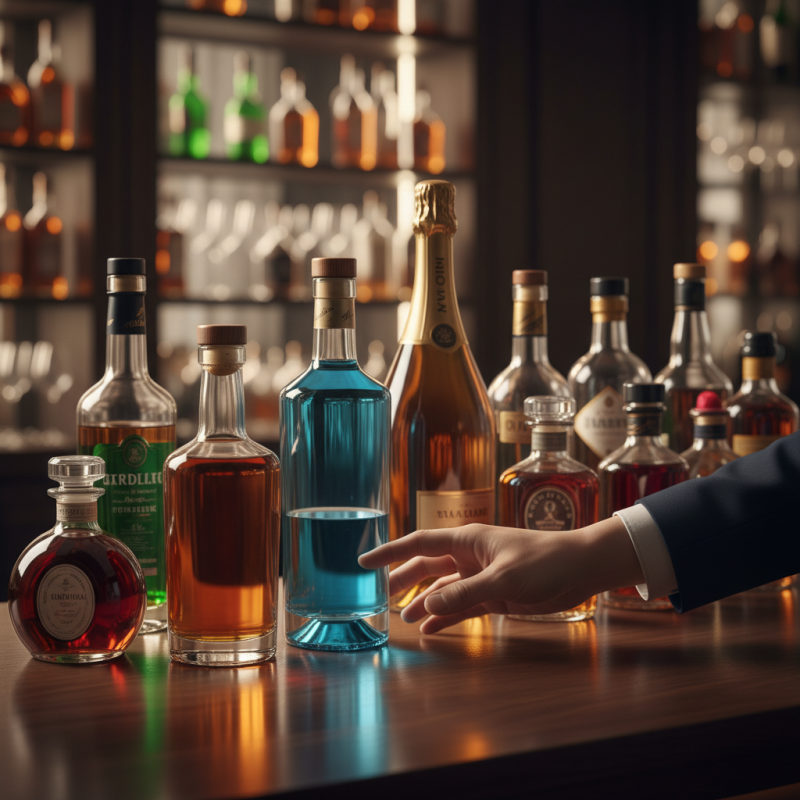
Understanding liquor bottle sizes is crucial for both consumers and producers. Historical evolution shaped the current standards we see today. In ancient times, vessels varied greatly. Artisan potters produced unique shapes and sizes. These early bottles were often crafted for specific purposes. The standardization began much later.
As international trade grew, a need for uniformity emerged. Distillers wanted to appeal to a broader market. In the 20th century, regulations started to define sizes. The common spirits bottle size became 750 ml in many regions. This change allowed for easier shipping and labeling. However, not all countries adopted the same standard.
Today, while 750 ml remains popular, other sizes exist. Miniatures, often called “nips,” hold just 50 ml. Large formats such as magnums appealing to collectors are also common. Some argue that these variations confuse consumers. The intricate history behind sizing reflects cultural influences. Understanding this evolution helps recognize the choices we face.
When it comes to liquor bottle sizes, global standards can be quite intricate. Different countries have established specific regulations that dictate the dimensions and capacities of liquor bottles. Understanding these standards is essential for manufacturers and retailers alike. For instance, in the United States, the most common bottle size is 750 ml, while other countries might favor different volumes, such as 700 ml or 1 liter. Accurate knowledge of these sizes helps avoid potential legal issues.
The reasons behind these regulations often relate to consumer protection and safety. Consistent packaging ensures that consumers receive the quantity they expect. However, navigating these regulations can lead to misunderstandings, especially for small producers. For example, a craft distillery might struggle to meet size requirements if they are unaware of local laws. This highlights the importance of research and awareness in the industry.
Moreover, while some countries have lenient regulations, others enforce strict guidelines. This can affect export opportunities, especially for smaller brands. Understanding these nuances can help in making informed decisions. However, if producers overlook these details, it may lead to costly mistakes. In the fast-paced liquor industry, awareness of bottle size standards plays a crucial role. Keeping track of changes and trends is vital for staying compliant and competitive.
When it comes to liquor bottles, size matters significantly. The standard sizes range from 50ml to 1.75 liters. The 750ml bottle is the most common, often used for wine and spirits. Statistically, this size constitutes about 82% of the total spirits market, according to industry reports. It’s popular for both home and commercial use, reflecting consumer preferences.
Smaller bottles, such as 50ml, serve specific functions. They are ideal for single servings, often utilized in bars and restaurants for cocktails. The 375ml size is gaining traction as well, catering to those wanting to try new flavors without committing to a full bottle. This is particularly relevant in the craft spirit market, which has seen a 33% increase in demand for smaller sizes.
In contrast, larger bottles, like the 1.75-liter option, offer convenience for gatherings. Reports indicate that this size is favored for parties, as it reduces the frequency of replenishing stock. However, consumer behavior can be unpredictable, as some prefer variety over volume. Understanding these nuances is crucial for producers and retailers alike, as they navigate preferences in a continually evolving market.
| Bottle Size | Volume (ml) | Typical Use |
|---|---|---|
| Miniature / Nip | 50 ml | Sampling, Travel, Mini Bar |
| Standard | 750 ml | Most Common Size for Wine & Spirits |
| Liter | 1000 ml | Party & Larger Gatherings |
| Half Bottle | 375 ml | Single Serving, Smaller Events |
| Magnum | 1500 ml | Celebrations, Special Occasions |
| Jeroboam | 3000 ml | Large Events, Parties |
| Nebuchadnezzar | 15000 ml | Luxury Celebrations |
Choosing the right size for liquor bottles is crucial for producers and consumers alike. Various factors influence these decisions, from market trends to consumer preferences. Data from the Beverage Marketing Corporation indicates that 750 ml remains the industry standard for spirits, accounting for over 60% of sales. This size is convenient for both retailers and customers, making it popular in bars and homes.
The target audience plays an essential role in size selection. Younger consumers prefer smaller bottles for social occasions. Research shows that 375 ml bottles have gained traction among millennials for this reason. However, larger formats, such as 1.5 liters, appeal to party hosts or those buying for larger gatherings. Each size caters to different consumption patterns and occasions.
Tips: Consider your target market when choosing bottle sizes. Smaller bottles may attract impulse buyers, while larger ones can cater to planned purchases. Monitor sales data regularly to adjust offerings based on consumer behavior. Experimenting with various sizes can also reveal new insights into your audience’s preferences. Balancing convenience and perception is key for successful liquor branding.
The design of liquor bottle packaging is crucial for attracting consumers. Studies show that 70% of purchase decisions occur at the shelf. Creative packaging can lead to higher sales. Various dimensions serve different markets. For instance, a 750ml standard bottle is commonly accepted, but niche producers may choose unconventional sizes.
Market research indicates that the right design enhances shelf visibility. This visibility influences customer perception significantly. A report by the Beverage Marketing Corporation noted that 60% of consumers link packaging aesthetics to product quality. Unique shapes or vibrant colors can create a memorable impression. However, these designs may not fit standard packaging lines, complicating production.
Sustainability is another factor to consider. About 40% of consumers prefer eco-friendly packaging. Companies face pressure to balance design with environmental responsibility. This tension can lead to suboptimal choices that impact both branding and functionality. Designers must be mindful of these trade-offs when creating attractive yet practical liquor bottle designs.
: Standard sizes range from 50ml to 1.75 liters, with 750ml being the most common.
It comprises about 82% of the spirits market and suits both home and commercial use.
Smaller bottles, like 50ml, are ideal for single servings in bars and restaurants, often used in cocktails.
It allows consumers to try new flavors without committing to a full bottle, catering to the craft spirit market.
They reduce the need for frequent replenishing, making them popular for gatherings and parties.
About 70% of purchase decisions happen at the shelf. Attractive packaging can lead to higher sales.
Yes, unconventional sizes may complicate production processes, as they might not fit standard lines.
Many consumers prefer eco-friendly packaging, pushing companies to balance design with environmental responsibility.
Designers face trade-offs between creating visually appealing designs and maintaining functionality.
Approximately 60% of consumers associate attractive packaging with higher product quality, influencing their perceptions.
The article "2026 How to Determine the Standard Size for Liquor Bottles?" explores the nuances of liquor bottle sizing, tracing its evolution through a historical lens. It addresses the question of what is the standard size for liquor bottles by examining global standards and regulations in the industry. Common bottle sizes and their usual applications are detailed, providing insight into how different dimensions serve various types of spirits.
Additionally, the article discusses several factors that influence the choice of liquor bottle sizes, including market trends, consumer preferences, and storage considerations. The significance of packaging design is highlighted, emphasizing how it shapes the dimensions of liquor bottles while remaining compliant with industry standards. Overall, the piece serves as a comprehensive guide to understanding the complexities around liquor bottle sizing, catering to both industry professionals and curious consumers alike.

Swapora Bottle