In the world of glassmaking, one crucial question arises: what is the difference between flint and extra flint glass? Renowned glass expert Dr. Emily Carter once stated, “Understanding the nuances of glass types can significantly impact their applications.” This reflects the importance of discerning various glass qualities.
Flint glass typically contains a higher lead content, enhancing its refractive qualities. Extra flint glass, however, possesses an even higher lead concentration, elevating its clarity and brilliance. This distinction is vital for artists and manufacturers who require specific properties in their work.
Choosing between these glass types can seem straightforward, yet the implications are profound. An artist may prefer extra flint glass for its luminosity, while a manufacturer might lean towards flint glass for durability. A lack of knowledge can lead to improper use, resulting in subpar creations. Therefore, grasping the differences can profoundly influence both aesthetic outcomes and functional properties.
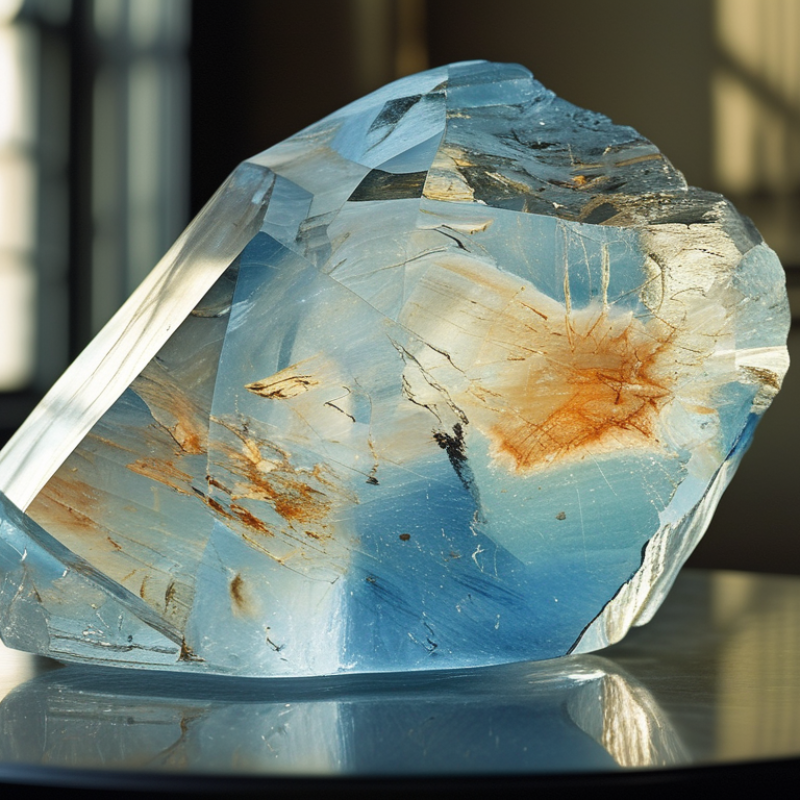
Understanding the Basics of Flint and Extra Flint Glass
Flint glass, known for its clarity and brilliance, contains lead oxide. Extra flint glass takes this a step further. It has a higher lead content, enhancing its optical qualities. This distinction makes extra flint glass preferred in fine optics. According to industry studies, this material boasts a refractive index exceeding 1.8. In comparison, standard flint glass typically has a refractive index of around 1.5.
An interesting aspect is the manufacturing process. Both types undergo similar heating and molding techniques. However, careful adjustments in the formulation result in varied properties. Extra flint glass tends to be heavier and feels denser. Users often note this difference when handling both types. Yet, in practice, distinguishing them can be challenging without proper testing.
The applications highlight further differences. Extra flint glass often appears in high-end products, including quality prisms and specialized lenses. Yet, its higher cost is a consideration for manufacturers. Many still opt for standard flint glass for everyday items. Trade reports indicate that market demand fluctuates based on consumer preferences and budget constraints. Understanding these nuances helps in making informed choices in glass selection.
Chemical Composition Differences Between Flint and Extra Flint Glass
Flint glass and extra flint glass differ mainly in their chemical compositions. Flint glass contains a high concentration of lead oxide, typically around 24%. This gives it exceptional clarity and brilliance. It also contains silica, sodium, and potassium. The presence of lead makes it heavier and enhances its refractive properties.
Extra flint glass, on the other hand, has a more refined balance of materials. While it still features a significant lead oxide content, it is often lower than that of standard flint glass. Extra flint includes additional compounds for improved durability. Barium oxide is sometimes added to enhance the glass's resilience.
When distinguishing between the two types, a careful examination of the light transmission can be revealing. Flint glass often has a warmer tone and may appear more vibrant. Extra flint glass tends to have a clearer, cooler appearance. Despite these distinctions, the lines can be blurry. Testing with precise laboratory methods is the best way to confirm the differences. Even experienced glassmakers might miss subtle variations in composition.
Visual Characteristics: Identifying Flint vs Extra Flint Glass
Flint and extra flint glass might seem similar, but their visual characteristics offer distinct clues for identification. Flint glass typically exhibits a brighter appearance compared to extra flint glass. This brightness results from the higher lead content in flint glass, giving it a more refractive quality. When light strikes it, the sparkle is unmistakable. Hold both types up to the light, and you might notice that flint glass has a slightly more pronounced sparkle.
In terms of color, extra flint glass often displays a clearer, purer hue. It's less likely to have tints or imperfections. Small bubbles may also appear in extra flint glass, indicating its manufacturing process. These bubbles can serve as a point of inquiry. Pay close attention to edges; they can reveal more. Flint glass may present sharper, more defined edges, while extra flint glass edges tend to be smoother. Each variation tells a story, and recognizing these nuances is key for collectors and enthusiasts alike. Emphasizing these details can deepen one’s appreciation for the craft of glassmaking.
Applications and Uses of Flint and Extra Flint Glass
Flint glass and extra flint glass are often used interchangeably, but they serve distinct purposes. Flint glass contains a higher lead content, giving it superior optical clarity. This makes it ideal for premium glassware and fine optical instruments. Extra flint glass, while still clear, has slightly lower lead content. Its applications often include lenses, prisms, and fine cut glass objects.
Tips: When selecting glass for a specific project, consider the clarity you need. If the application requires high precision, flint glass may be the better choice. However, for general use, extra flint glass might suffice.
The weight and feel of the glass can also indicate its type. Flint glass tends to be heavier due to its dense lead content. For art enthusiasts, understanding these differences can elevate your collection. Opt for flint glass for displays that prioritize visual appeal and detail.
Tips: Always check the weight of the glass before purchase. If it feels light, it might be extra flint glass. Knowing the characteristics can help you avoid mistakes in your selections. Choosing the right glass can enhance both functionality and aesthetics in your projects.
Comparison of Flint and Extra Flint Glass Properties
Testing Methods to Differentiate Flint Types in Glassmaking
In glassmaking, distinguishing between flint and extra flint glass is crucial. Both types contain lead oxide, but they differ significantly in composition and properties. The key element for differentiation lies in their lead content. Flint glass typically contains about 20-30% lead oxide, while extra flint glass can have up to 40%. This difference alters not just their refractive indexes but also their acoustic properties.
To accurately test and differentiate these two types of glass, various methods can be utilized. One common approach is the density test. Flint glass is generally heavier. By measuring displacement in water, this method provides a reliable means of identification. Furthermore, examining light refraction through each type offers insight into their optical clarity. Reports indicate that extra flint glass reflects light more vividly due to its higher lead content.
However, testing methods can sometimes yield ambiguous results. Environmental factors like temperature and humidity affect glass properties. Additionally, subtle variations in lead oxide levels can blur the lines between the two types. Consistent testing protocols are essential for reliable outcomes, though they may not always eliminate uncertainty. Advanced optical testing techniques are continually being developed, helping industry professionals refine their analysis.
2026 How to Distinguish Between Flint and Extra Flint Glass? - Testing Methods to Differentiate Flint Types in Glassmaking
| Test Method |
Description |
Flint Glass |
Extra Flint Glass |
| Refractive Index Testing |
Using a refractometer to measure the refractive index. |
1.52 - 1.60 |
1.60 - 1.65 |
| Density Measurement |
Determining the density using a balance and volumetric method. |
2.4 g/cm³ |
2.5 g/cm³ |
| Polish Quality Test |
Assessing surface smoothness and clarity by visual inspection. |
Standard quality, moderate clarity |
High clarity, excellent polish |
| Color Analysis |
Visible inspection or color measurement under standardized lighting. |
Clear to slightly yellow |
Crystal clear, minimal color |
| Thermal Shock Resistance |
Testing the durability against rapid temperature changes. |
Moderate resistance |
Higher resistance |
FAQS
: Flint glass is a type of glass that contains a high concentration of lead oxide. This gives it exceptional clarity and brilliance.
Extra flint glass has a higher lead content, enhancing its optical qualities. It is often preferred in fine optics.
Flint glass is ideal for premium glassware and fine optical instruments. Its superior clarity makes it popular in high-end products.
Flint glass tends to be heavier because of its dense lead content. Extra flint glass feels lighter and denser than regular flint.
Distinguishing them can be challenging without proper testing. Light transmission and weight can help, but variations exist.
Consider the clarity needed for the application. High precision projects may require flint glass, while general use might suit extra flint glass.
Yes, flint glass often has a warmer tone and appears more vibrant, while extra flint glass tends to look clearer and cooler.
Always check the weight before purchase. If it feels light, it might be extra flint glass, which can help avoid mistakes.
Extra flint glass usually has a higher cost, which may impact manufacturers’ choices compared to standard flint glass.
Yes, they are often used interchangeably, but their specific properties and applications should be considered carefully.
Conclusion
The article "2026 How to Distinguish Between Flint and Extra Flint Glass" explores the key differences between these two types of glass, focusing on their composition, visual characteristics, applications, and testing methods. Understanding the basics of flint and extra flint glass is crucial for identifying their unique properties. One of the primary concerns addressed is "what is the difference between flint and extra flint glass," which lies primarily in their chemical composition; extra flint glass typically has a higher lead content leading to increased brilliance and light refraction.
Visual characteristics play a significant role in differentiating the two, with extra flint often exhibiting a clearer and more vibrant appearance. The article also delves into the various applications of each type of glass, highlighting how their specific properties influence their use in optics, art, and industrial applications. Lastly, it presents reliable testing methods to effectively distinguish between the two in glassmaking, ensuring artisans and manufacturers can select the appropriate material for their needs.

 Swapora Bottle