2026 How to Choose Bottle Shape for Different Spirits?

Time:2026-10-10 Author:Henry
0%

Choosing a bottle is not merely a visual exercise. It shapes pouring, storage, shelf recognition, and perceived value. The right form should support the spirit’s character, serving ritual, and production reality.

The IWSR No- and Low-Alcohol Strategic Study 2024 forecasts continued global growth for alcohol alternatives through 2028. That shift makes bottle design more important, even for traditional spirits. Clear glass can suggest purity in vodka. Heavy, dark glass can reinforce whisky’s depth. A tall, narrow profile may communicate elegance for gin, while a rounded bottle can feel warmer and more approachable for rum.

Small details matter. A bartender notices grip, weight, neck length, and pour control. A retailer notices shelf efficiency and breakage risk. Consumers notice the silhouette before reading the label. Sometimes, the bottle speaks first.

Lars Wallentin, former Nestlé packaging design director, famously said, “The package is the product.” His observation remains useful when asking how to choose bottle shape for different spirits. Yet the statement is not absolute. Packaging cannot repair an unclear brand or poor liquid quality. It can also create unnecessary cost, shipping weight, and environmental pressure.

This guide examines shape through both experience and evidence. It compares consumer perception, ergonomics, logistics, sustainability, and category expectations. The analysis draws on IWSR market research and packaging-industry findings, while recognizing that regional preferences differ. A beautiful bottle may fail in a crowded bar. That possibility deserves attention.
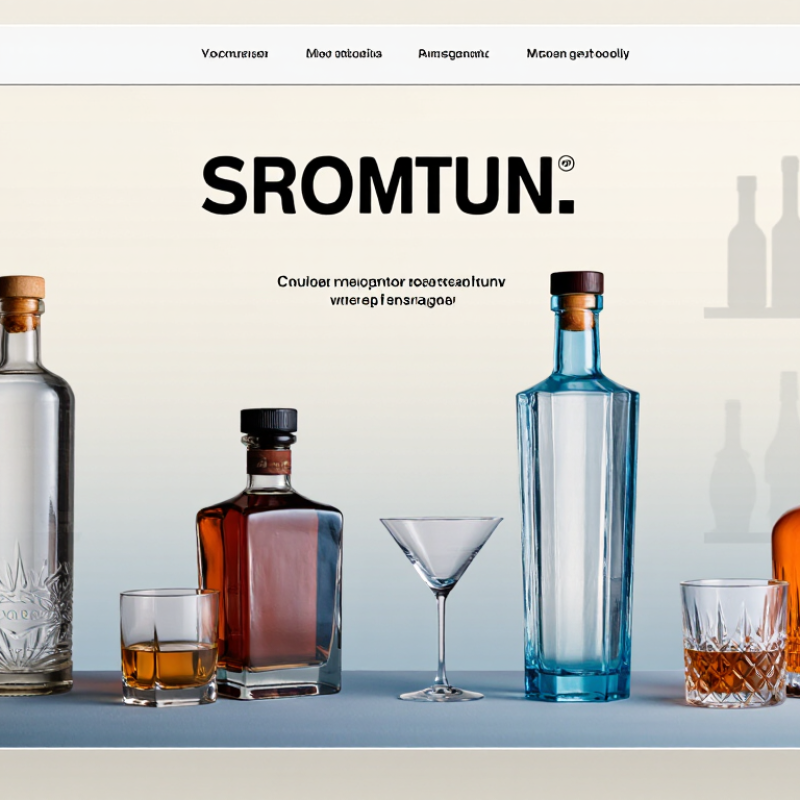
2026 How to Choose Bottle Shape for Different Spirits?

Understanding How Bottle Shape Influences Spirit Identity

2026 How to Choose Bottle Shape for Different Spirits?

Understanding How Bottle Shape Influences Spirit Identity

A bottle’s shape speaks before the first pour. Tall, narrow glass can suggest precision, freshness, and a lighter drinking experience. Broad shoulders may communicate depth, warmth, and a slower ritual. These signals are not universal, but consumers often read them quickly. Packaging specialists examine proportion, grip, pouring control, closure fit, and shelf visibility before selecting a design. The bottle should feel stable in the hand, not merely attractive in a photograph. Shape also affects perceived value, although glass weight alone cannot prove quality.

Tips: Match the silhouette with the spirit’s character. Use clean lines for a modern profile. Consider rounded forms for a softer impression. Test the bottle with wet hands, dim lighting, and a full pour. Small flaws become obvious then.

Do not let appearance replace function. A dramatic shoulder can make pouring awkward. A narrow neck may slow service and increase residue around the closure. Custom forms can also raise production costs and complicate transport. These practical details influence identity because they shape how people hold, open, and share the spirit. I would not call one silhouette perfect. Cultural preferences, serving habits, and legal packaging requirements can change the decision. Sometimes a simpler bottle feels more honest. That is worth questioning.

Matching Bottle Profiles to Different Spirit Categories

2026 How to Choose Bottle Shape for Different Spirits?
Matching Bottle Profiles to Different Spirit Categories

Bottle shape should communicate a spirit’s character before the label is read. For whisky, broad shoulders and a shorter neck can suggest weight, warmth, and slow enjoyment. Gin often benefits from a taller profile, giving room for botanical illustrations and a clean, precise appearance. Vodka needs restraint. Straight sides, clear glass, and balanced proportions support its neutral positioning. Rum can use softer curves and a heavier base, creating a visual sense of richness. These choices are not absolute.

The IWSR 2024 No- and Low-Alcohol Strategic Study forecasts this market will exceed US$40 billion by 2028, growing about 7% annually from 2023. That shift makes flexibility more important. A compact, easy-grip bottle can suit lighter serves and home use. A wider base improves stability near ice buckets and cocktail tools. Still, a dramatic shape may waste shelf space or increase shipping weight. Beautiful, but inefficient.

Euromonitor International’s Voice of the Consumer: Sustainability 2024 reports that 60% of consumers try to create a positive environmental impact through everyday actions. Designers should therefore examine glass weight, pallet efficiency, and recyclability, not just appearance. Use a 3D mock-up, then test the bottle with wet hands, one-handed pouring, and standard shelf spacing. I would not trust a silhouette test alone. Real handling often exposes small failures, including awkward closures and tiring grips.

Evaluating Function, Pouring, Storage, and Product Protection

2026 How to Choose Bottle Shape for Different Spirits?

Bottle shape should begin with function, not decoration. A narrow neck can moderate pouring speed and reduce spills during service. However, it may slow filling and complicate cleaning. A wider opening supports faster filling, but it can increase exposure during repeated opening. The closure, neck finish, and shoulder angle must work together. In factory trials, teams should measure pour rate, drip formation, hand comfort, and fill-line accuracy. Small details matter. A heavy base improves stability, yet it increases shipping weight and handling effort.

Storage and protection require equal attention. A tall bottle may use shelf height inefficiently and become unstable in transport. A compact, square profile can improve case utilization, but sharp corners may receive higher impact stress. Drop tests, vibration testing, thermal cycling, and leakage checks should reflect real distribution conditions. According to the IWSR 2024 beverage alcohol data, global volume declined 1% in 2023, while value increased 2%. This supports careful premium positioning, but expensive glass alone does not prove quality.

Protection also affects sustainability claims. The 2024 Global Packaging Trends report from Smithers identifies lightweighting and material efficiency as major packaging priorities. Designers should therefore remove unnecessary glass without weakening the shoulder or base. Recycled content can alter color and wall consistency. That requires tighter inspection. One imperfect assumption remains common: a distinctive shape will always improve consumer choice. It may not. A bottle that pours cleanly, stacks securely, and survives transport usually creates stronger value than a dramatic silhouette.

Balancing Brand Image, Market Position, and Production Costs

2026 How to Choose Bottle Shape for Different Spirits?

Bottle shape should express the spirit’s character without weakening production control. A tall, clear bottle can suggest freshness and precision for gin or vodka. A shorter, heavier bottle may communicate depth for whisky or aged rum. However, visual confidence is not enough. The shape must feel stable in the hand, pour cleanly, and fit existing filling equipment.

Market position changes the design decision. Premium buyers often notice glass thickness, shoulder detail, and closure quality before reading the label. Value-focused products need efficient shapes that reduce glass weight and shipping space. A rounded bottle may look distinctive, but it can waste pallet capacity. A narrow rectangular form usually stacks better and lowers transport costs. Test both options with real cartons, not only computer drawings.

Production trials reveal uncomfortable details. A heavy base can increase furnace demand and slow cooling. Sharp corners may create stress points during handling. We recommend testing prototypes through filling, capping, packing, and short-distance transport. Measure breakage, line speed, bottle weight, and shelf visibility. The first design may still be wrong. That is useful evidence. A small change in shoulder width can improve grip, reduce material, and protect the intended image. The best bottle balances recognition, responsible cost control, and dependable performance.

Selecting the Right Bottle Shape for Your Spirit Product

Selecting the Right Bottle Shape for Your Spirit Product

Bottle shape should express the spirit’s character, but it must also work in real hands. A tall, narrow bottle can suggest elegance and save shelf space. A broad bottle may feel stable and substantial. Consider the product’s color, serving style, and expected pouring speed. A heavier base can reduce tipping, especially behind busy bars. The wrong shape often looks impressive in a product image, yet feels awkward during service.

Practical testing matters more than a drawing. Fill sample bottles with the final liquid and check their weight, balance, and grip. Test them with wet hands. Test them under dim lighting. The label panel should remain visible after normal handling. Neck size also affects pouring control, closure selection, and filling equipment. Glass thickness can influence protection, but extra material may increase shipping weight and production costs. Small details matter.

Small details matter.

I once preferred a dramatic silhouette that looked excellent on a shelf. It was uncomfortable to lift repeatedly. That choice needed more reflection. Ask packaging engineers to review stress points, closure fit, and liquid compatibility. Request transport trials with realistic cartons and vibration. Check measurement marks when accurate serving matters. Confirm that the shape supports required labeling and recycling information in each target market. A beautiful bottle is useful only when design, safety, manufacturing, and customer experience agree.

FAQS

How does bottle shape influence a spirit’s identity?

Shape creates an early impression before the label is read. Tall, narrow forms can suggest freshness and precision. Broad shoulders may imply warmth and depth. These signals are not universal.

Which bottle shape suits whisky or aged rum?

Shorter bottles with broad shoulders can communicate weight and slow enjoyment. Soft curves and a heavy base may suggest richness. Still, pouring comfort matters more than drama.

What bottle profile works well for gin?

A taller profile can suggest clarity and precision. It also leaves space for botanical artwork. Test the neck carefully. A narrow opening may slow service.

Should vodka packaging use a simple bottle shape?

Straight sides, clear glass, and balanced proportions can support a neutral image. Simple does not mean weak. However, excessive simplicity may become forgettable. That risk needs testing.

How can designers check whether a bottle is practical?

Use a physical prototype, not only a computer image. Test wet hands, dim lighting, one-handed pouring, and a full bottle. Check grip, stability, closure fit, and residue. Small flaws appear quickly.

Can an unusual shape improve premium positioning?

Distinctive shoulders, thicker glass, and a refined closure can suggest higher value. Yet heavy glass does not prove quality. A dramatic bottle may pour badly or waste shelf space. Beautiful, but inefficient.

How do production costs affect bottle shape?

Heavy bases can increase material use and slow cooling. Sharp corners may create stress during handling. Rounded or rectangular forms may improve transport efficiency. The first design may still be wrong.

What sustainability factors should guide bottle design?

Designers should examine glass weight, pallet efficiency, shipping space, and recyclability. A lighter bottle can reduce transport demand. A compact shape may fit more cartons. But lower weight can sometimes weaken stability. That trade-off deserves honest testing.

Conclusion

Choosing the right bottle is an important part of defining a spirit’s identity and market appeal. This guide explains how to choose bottle shape for different spirits by considering the character, serving style, and category expectations of each product. A bottle’s silhouette, proportions, closure, and visual weight can communicate qualities such as tradition, refinement, freshness, or modernity. The shape should support the spirit’s positioning while creating a clear and memorable impression for consumers.

Beyond appearance, practical performance is equally important. The ideal bottle should be comfortable to hold, easy to pour, stable during storage, and strong enough to protect the product throughout transportation and handling. Producers should also evaluate filling efficiency, packaging compatibility, material use, and production costs. By balancing product personality, functional requirements, brand image, target market, and budget, businesses can select a bottle shape that enhances both the consumer experience and the long-term value of their spirit product.

Henry

Henry

Henry is a dedicated marketing professional with a profound expertise in the company's offerings. With years of experience in the industry, he possesses an impressive understanding of the market dynamics and consumer behaviors that drive success. Henry is committed to sharing his insights through......