Identifying common defects in glass bottles is crucial for manufacturers. High standards are essential for quality control and consumer safety. According to a recent report by the Glass Manufacturing Industry Council, over 40% of defects are linked to production processes. Understanding what are common defects in glass bottles can save time and reduce waste.
Dr. Emily Foster, an expert in glass production, notes, "The key to quality is in identifying defects early." She emphasizes that defects like cracks, bubbles, and uneven thickness can undermine a bottle's integrity. Inspecting glass bottles regularly is critical for maintaining high standards.
Each type of defect presents unique challenges. For example, bubbles may affect the aesthetic appeal of the bottle, while cracks can lead to failures during transportation. Recognizing these issues not only ensures product reliability but also enhances the manufacturer’s reputation. Companies must remain vigilant and proactive in defect detection, as overlooking even minor flaws can have significant repercussions.
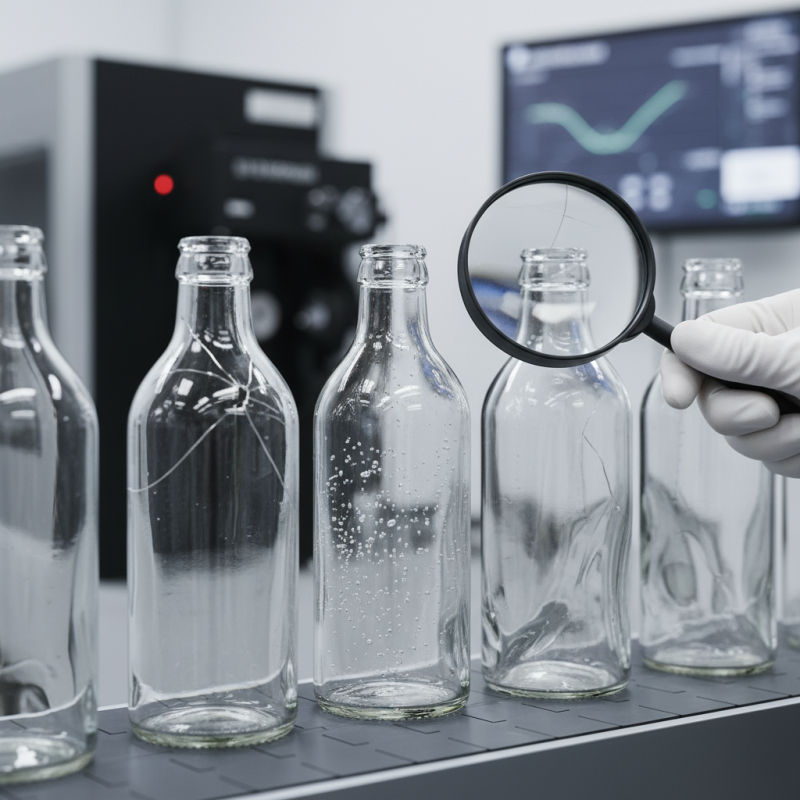
Quality control in glass bottles is crucial for ensuring safety and efficiency in production. Identifying defects early prevents costly recalls and maintains a company's reputation. Common issues include cracks, bubbles, and uneven surfaces. These defects can affect not just aesthetics, but also the integrity of the bottle.
To maintain high standards, regular inspections are necessary throughout production. Use a checklist to assess each bottle. Look for any visible defects, and check for uniformity in shape and thickness. Employing clear lighting techniques can help in detecting imperfections that might otherwise go unnoticed.
Here are some tips for effective quality control:
- Train your team to identify visual flaws.
- Implement regular training sessions on defect recognition.
- Document all findings for continuous improvement.
Inconsistent quality can lead to customer dissatisfaction. Engaging in open discussions about defects encourages a culture of quality awareness. Addressing issues collectively can foster innovation in quality control measures.
Identifying defects in glass bottles is crucial for ensuring product quality. Common defects include bubbles, swirl marks, and sharp edges. Bubbles occur due to trapped air during manufacturing. They can compromise the bottle’s integrity and aesthetic appeal. Swirl marks are often a result of uneven cooling. These imperfections can affect label adhesion and customer appeal.
Another prevalent defect is chipping. Chips usually happen during handling and transportation. Sharp edges pose a risk of injury. Manufacturers must prioritize quality checks to catch these issues early. Failure to address these defects leads to customer dissatisfaction. Regular training for staff can enhance their ability to detect flaws.
Over time, some manufacturers may overlook minor defects to expedite production. This can lead to major quality issues. Implementing strict quality control measures is essential. By emphasizing the importance of quality, businesses can improve their reputation and customer trust. In a competitive market, maintaining high standards is not just beneficial; it’s necessary.
Inspecting glass bottles for defects is essential for quality assurance. This step-by-step guide helps you identify common issues effectively. Start by examining the bottle's surface. Look for scratches, bubbles, or cracks. Each defect can compromise the integrity of the bottle. Check the finish and the neck. Any irregularities here can lead to sealing problems.
Lighting is crucial during inspection. A well-lit environment highlights hidden defects. Use a flashlight to illuminate the bottle while inspecting. Pay attention to the bottle's rim. It should be smooth and free from shards. Rough edges can cause injury or improper sealing.
Tip: Keep a notepad for recording defects. Tracking common issues helps in understanding patterns. It can guide improvements in the manufacturing process. If defects are frequent, consider whether production methods need adjustment. This can significantly enhance quality and reduce waste. Always strive for excellence in every inspection.
Identifying defects in glass bottles is crucial for maintaining quality. Various techniques are available for examining these imperfections. Visual inspections are essential. Inspectors often look for bubbles, cracks, or uneven surfaces. Light reflection can reveal hidden flaws. This method requires trained eyes to catch what might be missed.
Another effective technique involves measuring the dimensions of bottles. Calipers help in assessing the thickness of glass. Any deviation from standard measurements indicates potential defects. Furthermore, advanced methods like infrared thermography can detect temperature variations in the glass. These variations often signify structural weaknesses that could lead to failures.
Caution is necessary when relying solely on visual methods. Some defects may not be visible to the naked eye. Therefore, a combination of techniques is more reliable. Regular calibration of tools is also vital for precise measurements. While methods can identify many issues, they are not foolproof. Continuous training and adaptability in techniques enhance detection rates. Monitoring trends in defects can lead to improvements in the production process. This reflection is key in maintaining high standards in glass bottle quality.
In glass bottle production, common defects can arise at various stages. Identifying these defects early is vital. Regular inspections during the manufacturing process can catch issues like bubbles or cracks. These defects often result from temperature fluctuations. Proper temperature control during melting and forming is essential. However, many factories overlook this, leading to higher defect rates.
Implementing preventive measures can significantly reduce defects. Staff training on quality control is crucial. Workers should understand how to spot inconsistencies. The use of automated systems can enhance precision. Yet, some factories resist automation due to costs. This reluctance can lead to higher error rates, undermining quality.
Routine maintenance of machinery also plays a key role. Worn-out equipment can create more defects. Schedule regular checks to ensure optimal performance. Some companies may find this burdensome, risking more problems down the line. Creating a culture of quality awareness is just as important. Encouraging open communication about defects can lead to continuous improvement.
: Quality control ensures safety and efficiency. It helps identify defects early and prevents costly recalls.
Common defects include cracks, bubbles, and sharp edges. Each can affect a bottle's integrity and appeal.
Regular inspections with a checklist are vital. Clear lighting helps reveal imperfections that might be missed otherwise.
Overlooking defects can lead to customer dissatisfaction and damage a company’s reputation over time.
Training staff to recognize visual flaws enhances their ability to detect issues. Continuous training fosters a culture of quality.
Sharp edges can pose injury risks to consumers. Quality checks should prioritize addressing such dangers promptly.
Documenting findings enables continuous improvement. It helps track issues and enhances defect recognition efforts.
Open discussions encourage a culture of awareness. Collective problem-solving can lead to innovative quality control measures.
Rushing may result in overlooked minor defects. This can snowball into major quality issues later on.
Uniformity in shape and thickness is crucial. It influences the aesthetic appeal and functional quality of bottles.
In the article "2026 How to Identify Common Defects in Glass Bottles?", the importance of quality control in the production of glass bottles is emphasized, highlighting how it ensures both safety and aesthetic appeal. The piece outlines various common defects found in glass bottles, such as bubbles, cracks, and uneven edges, and discusses their potential causes which can range from raw material quality to production processes.
Moreover, the article provides a step-by-step guide to inspecting glass bottles for these defects and introduces techniques for identifying and measuring them accurately. Lastly, preventive measures are suggested to help reduce the occurrence of defects in glass bottle production, ensuring a higher standard of quality control. Understanding what are common defects in glass bottles is essential for manufacturers aiming to maintain product integrity and consumer safety.

Swapora Bottle