A custom glass bottle is more than a container with a distinctive silhouette. Its weight, neck finish, color, and label area can shape how a product feels in the hand and appears on a crowded shelf. But good design must work beyond the photograph. A bottle should also suit the filling line, protect the product, and feel practical for customers to open and store.
So, what are the advantages of custom glass bottles? Packaging engineer Dr. Lena Morris puts the design challenge this way: “A bottle earns its value when its appearance and everyday performance work together.” A custom profile can help a brand stand out, while embossing or a carefully chosen color can make its identity easier to recognize. Glass is also valued for being inert and recyclable, although recycling access and actual recovery rates vary by location. Details matter.
There is a trade-off. A distinctive mold can require more upfront investment, and an awkward shape may complicate packing or transport. A thicker bottle can feel substantial, yet add weight. These are not small details; they can change costs and usability. The strongest custom bottle concept starts with the product, the production process, and the customer’s real handling experience—not appearance alone. This guide explores the benefits, practical limits, and design decisions behind custom glass packaging.
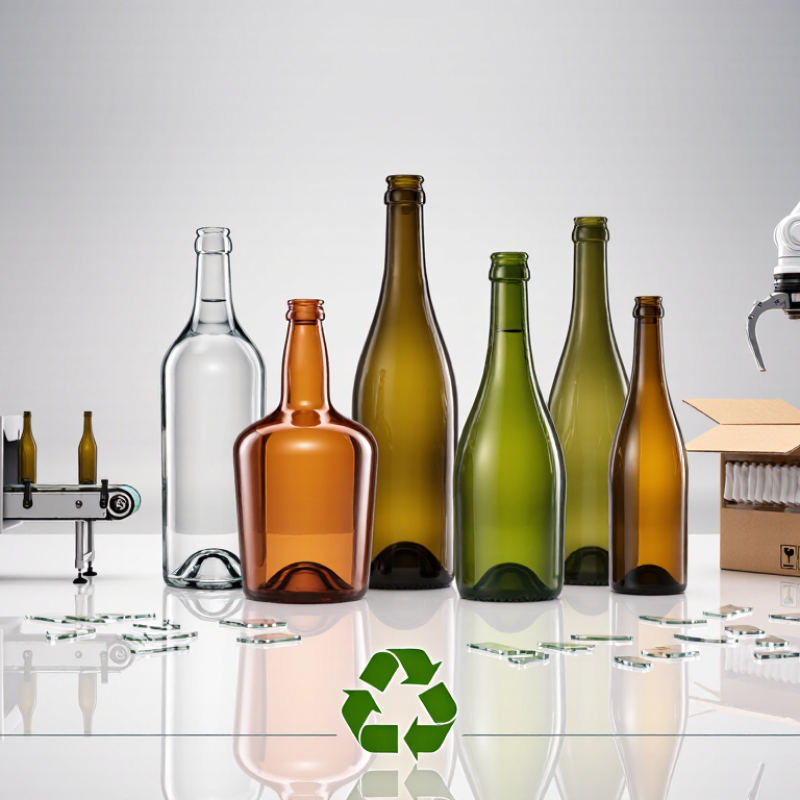
A bottle becomes custom when its form is adapted to a product, user, or filling process—not merely decorated. Shape is one starting point: a narrow shoulder can guide pouring, while a broad base improves shelf stability. Small changes matter. Capacity, wall thickness, neck diameter, and height affect grip, shipping, and filling equipment compatibility. A beautiful sketch is not yet production-ready.
Customization also includes glass color, surface finish, closure, and identifying details. A frosted surface softens reflections; clear glass shows the liquid’s natural color. Embossed marks add texture, while printing or labels create different visual effects. The neck finish must match the selected cap or pump, and measurements should be checked against real samples. This is where experience helps. Measure twice. A cap that looks right may still leak or feel awkward.
Reliable design starts with defining use conditions: hot or cold filling, handling, light exposure, and cleaning needs. Mold design affects cost and repeatability, so unusual contours deserve careful review. Prototype testing can reveal weak corners, difficult pouring, or a bottle that feels heavier than expected. Custom does not mean every feature is better. Sometimes the first design is too clever. A strong bottle balances appearance with practical performance, and its specifications should be documented for consistent production.
| Customization Dimension | Available Options | Practical Advantage | What to Consider |
|---|---|---|---|
| Bottle shape and capacity | Different heights, widths, shoulders, bases, and fill volumes | A shape can suit the product, intended use, and packaging presentation. | Check shelf space, filling-line compatibility, shipping cartons, and the required usable capacity. |
| Glass color | Clear, amber, green, and other colors where manufacturing permits | Color can support product presentation; amber and some other tinted glass can help limit light exposure. | Light protection depends on the glass color and product sensitivity. Confirm the protection needed for the contents. |
| Closure and neck finish | Threaded finishes, cork-compatible openings, and other closure formats | A compatible closure helps create a practical package for dispensing, resealing, or storage. | Match the neck finish to the closure and verify sealing performance with the actual product. |
| Surface decoration | Embossing, debossing, screen printing, labeling, or applied finishes | Decoration can make product information and visual identity more distinctive on the package. | Consider legibility, durability, regulatory labeling needs, and decoration compatibility with washing or recycling. |
| Weight and glass distribution | Different bottle weights and wall or base configurations | Design choices can balance handling, appearance, and the requirements of the filling and transport process. | Glass is heavier than many packaging alternatives; assess shipping weight, handling, and breakage risk. |
| Barrier and product compatibility | Glass type and finish selected for the intended contents | Glass is generally nonporous and provides a strong barrier to gases and moisture when the package is properly sealed. | Confirm chemical compatibility, closure performance, and any product-specific storage requirements. |
| Reuse and recyclability | Reusable formats or designs intended for glass recycling systems | Glass can be recycled, and durable bottles may be suitable for reuse where suitable collection and cleaning systems exist. | Actual reuse and recycling depend on local infrastructure, bottle design, decoration, and collection practices. |
| Production tooling and order planning | Existing bottle molds or a new custom mold | A custom mold can create a distinctive shape; an existing mold may reduce tooling requirements. | Ask about tooling costs, minimum order quantities, lead times, sampling, and production tolerances before approval. |
Its shape, capacity, color, finish, neck, or closure is adapted to a product and filling process. Decoration alone is not enough.
Check height, neck diameter, wall thickness, and capacity against filling equipment and closures. Measure twice. A cap can look right but fit poorly.
A narrow shoulder can guide pouring, while a broad base can improve stability. Test grip, cleaning, labeling, and storage with a real sample.
Clear glass shows the contents; frosted glass softens reflections. Tinted glass changes how light reaches the product, but may hide its natural color.
Glass generally resists transferring odors and flavors, and its walls limit oxygen and moisture movement. Protection is not absolute; closures and liners matter too.
Amber or green glass can reduce some light exposure. Clear glass offers visibility but less light protection. Check the filled product under expected storage conditions.
A physical sample can reveal weak corners, awkward pouring, excess weight, or labels that wrinkle on curved surfaces. A first sample can still fool you.
Not always. Custom tooling may increase costs and complicate production. Sometimes a simpler shape works better, though one test may not reveal every problem.
What are the advantages of custom glass bottles? They allow a product’s shape, color, closure, and surface finish to be tailored to its purpose and visual identity. Distinctive designs can make packaging easier to recognize, communicate a product’s character, and create a consistent impression on shelves or in use. Customization can also support practical needs, such as comfortable handling, clear labeling, and a suitable fit for the product inside.
Glass is valued for helping protect product quality, as it is nonporous and can provide a reliable barrier against moisture and outside odors. It can also be reused and recycled, making it a useful option for businesses seeking packaging with a longer life cycle. These benefits make custom glass bottles relevant across many industries, including food and beverages, personal care, home goods, and wellness products. The right design brings together appearance, function, product protection, and responsible packaging choices.

 Swapora Bottle