What are the latest trends in liquor bottle design for 2026?

Time:2026-09-05 Author:Sienna
0%

As we look ahead to 2026, the evolution of liquor bottle design is poised to reflect significant cultural shifts and consumer preferences. Designers are increasingly focused on sustainability, integrating eco-friendly materials and processes into their creations. This trend raises intriguing questions about what are the latest trends in liquor bottle design. Will traditional glass give way to innovative alternatives?

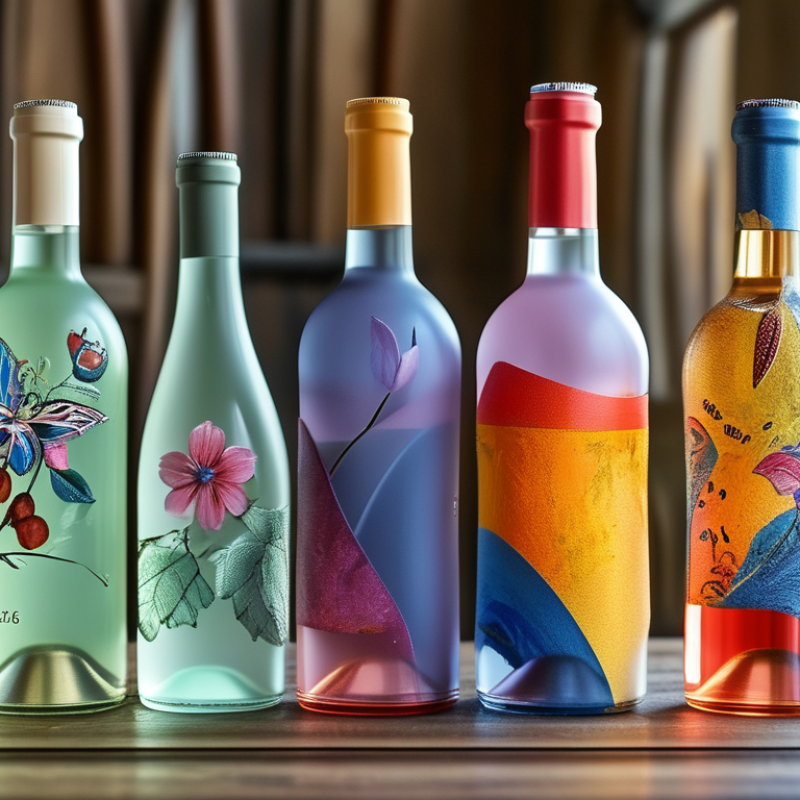
Artistry is also making its mark in this realm. Craft spirits often feature unique aesthetics that appeal to discerning consumers. Vibrant colors and intricate patterns are not just for show; they convey stories and brand values. However, this focus on aesthetics can sometimes overshadow functionality. Is it possible for a bottle to look stunning yet be impractical?

Moreover, the influence of technology cannot be ignored. Smart bottles with interactive features are emerging, blending digital experiences with physical products. This trend offers promising opportunities, yet it brings challenges in user experience and accessibility. Balancing innovation with tradition invites reflection on the future of liquor packaging. As we explore what are the latest trends in liquor bottle design, we recognize the dynamic interplay of creativity, responsibility, and consumer connection in this vibrant industry.
What are the latest trends in liquor bottle design for 2026?

Emerging Materials and Sustainable Design in Liquor Bottles

The liquor industry is witnessing a shift towards sustainable design and innovative materials. Distilleries are increasingly opting for eco-friendly options. This change not only reflects consumer demand but also a responsibility towards the environment. Biodegradable plastics and plant-based materials are gaining popularity, with brands exploring alternatives that reduce their carbon footprint.

Recyclability plays a significant role in bottle design. Many companies are opting for glass and metal, both of which have high recycling rates. However, there’s a balance to strike. The challenge lies in ensuring that these materials also maintain functionality and aesthetic appeal. Some designs might prioritize looks over practicality, which can lead to waste in production. It's vital for designers to consider not just appearance but also how the bottle will be used and reused.

In pursuing sustainability, some designs have flaws. For instance, intricate shapes may look beautiful but complicate recycling processes. The industry must address these challenges. Focusing solely on aesthetics can lead to enduring issues. Engaging with consumers to gather feedback could enhance future design strategies, ensuring that innovation does not compromise usability.

Latest Trends in Liquor Bottle Design for 2026

Bold Shapes and Innovative Structures: Rethinking Bottle Aesthetics

In 2026, liquor bottle design is experiencing a revolution. Bold shapes and innovative structures are at the forefront of this transformation. According to a recent industry report, about 72% of consumers prefer unique bottle silhouettes that stand out on shelves. Designers are increasingly experimenting with asymmetrical forms and dynamic curves. These shapes capture attention and enhance the overall drinking experience.

The trend towards sustainability is also shaping bottle aesthetics. Many producers are using recycled materials, resulting in designs that tell a story of environmental responsibility. The 2023 Packaging Innovation Report indicates that 55% of consumers consider eco-friendly packaging when making purchasing decisions. Brands are shifting to lighter bottles that reduce shipping costs and carbon footprints. However, some designs sacrifice traditional elegance for novelty, prompting a debate on long-term consumer appeal.

Textured surfaces and interactive elements are another focal point. Multi-sensory experiences resonate with modern drinkers. 47% of respondents in a design survey expressed interest in bottles that invite tactile engagement. While this enhances appeal, it raises questions about practicality and production costs. Not all innovative designs successfully balance aesthetics with functionality, leading to reflections on how to marry creativity with user experience in liquor packaging.

Latest Trends in Liquor Bottle Design for 2026

Trend Description Color Palette Material Innovative Feature
Bold Geometric Shapes Emphasis on unique, unconventional geometric designs that stand out on shelves. Bright primary colors and contrasting tones. Recycled glass and bio-based plastics. Integrated LED lighting for enhanced shelf presence.
Sculptural Elements Bottles designed to be artistic pieces, often resembling sculptures. Earth tones and metallic finishes. Sustainable ceramica and glass combinations. Customizable bottle shapes based on customer preferences.
Interactive Features Incorporation of QR codes and NFC technology for enhanced user engagement. Monochromatic schemes with vibrant accents. Lightweight composites and eco-friendly materials. Virtual reality experiences accessible through smartphones.
Minimalist Design Focus on simplicity and elegance, emphasizing clean lines and uncluttered surfaces. Pastel colors and soft gradients. Organic glass with UV protection. Smart label technology for detailed product information.
Functionality Focused Bottles designed for ease of use, such as ergonomic shapes and easy-pour spouts. Bright and cheerful colors. Flexible materials and shatterproof designs. Built-in measuring systems for precise pours.

Smart Packaging Technology: Enhancing User Experience

In 2026, smart packaging technology is set to redefine the liquor industry. The integration of sensors and electronic components into bottle designs enhances user interaction. According to a recent industry report, over 60% of consumers value innovative packaging that provides information at their fingertips. These designs not only draw attention but also improve the overall drinking experience.

Imagine a bottle that can tell you about its origin, nutritional information, or even suggest cocktail recipes. This is becoming a reality. Experts predict that up to 40% of liquor brands will adopt augmented reality features by 2026. These innovations can create an engaging experience, revealing the story behind the product. Yet, with this advancement comes the challenge of balancing technology and sustainability. Some brands may struggle to find eco-friendly solutions that also incorporate high-tech features.

Data shows that 25% of consumers can be overwhelmed by excessive information. Therefore, brands should focus on user-centric designs. It is crucial to streamline information delivery while keeping the design appealing. As the market evolves, it will be interesting to observe how brands navigate the fine line between sophisticated technology and simplicity in user experience.

Interactive and Customizable Designs for Consumer Engagement

In 2026, liquor bottle design is shifting towards interactive and customizable formats. This trend invites consumers to engage on a personal level. Smart labels incorporate QR codes that unlock exclusive content. This could be a behind-the-scenes video of the distillation process or cocktail recipes. Such features not only attract tech-savvy customers but also build brand loyalty.

Customization is taking center stage. Brands are offering personalized labels. Consumers can add their names or select unique colors and graphics. This process encourages ownership and connection to the product. However, the balance between personalization and mass production needs attention. Overwhelming options may deter some consumers rather than attract them.

Sustainability remains a concern among consumers as well. Brands that focus on eco-friendly materials while offering customization can stand out. However, maintaining quality in sustainable designs is challenging. For many brands, finding that balance will require ongoing reflection and adaptation. Engaging consumers is vital, but brands must also consider their impact on the planet.

Cultural Influences and Artistic Trends in Liquor Bottle Design

Cultural influences play a significant role in liquor bottle design. In 2026, designers are blending traditional and contemporary elements. Inspired by local customs, bottles reflect cultural narratives. Textures, colors, and shapes remind us of heritage while attracting modern consumers.


Artistic trends are also evolving. Many designers are experimenting with sustainable materials. Eco-friendly options resonate with environmentally conscious buyers. Bold graphics and minimalistic designs also captivate attention. This contrast creates a unique visual appeal. Designers utilize advanced technology for intricate details. Yet, some designs may lean too far into abstraction. This could alienate potential customers.


Pay attention to color schemes. Vibrant tones often evoke emotions. Choose hues that tell a story. Consider the use of labels too. They should enhance, not overwhelm. Balance is essential in design choices. Simple designs can convey elegance. Experiment with forms while keeping functionality in mind. A strong connection between the design and the drink inside is crucial.

FAQS

: What materials are being used in sustainable liquor bottle design?

: Distilleries are choosing biodegradable plastics and plant-based materials for eco-friendliness.

How important is recyclability in bottle design?

Recyclability is crucial. Glass and metal are commonly used due to their high recycling rates.

What are the challenges with intricate bottle designs?

Intricate shapes can complicate recycling, leading to potential waste in production.

How can consumer feedback impact bottle design strategies?

Engaging consumers can help improve future designs, balancing aesthetics with usability.

What is smart packaging technology?

Smart packaging includes sensors to enhance user interaction and provide information.

How do consumers feel about excessive information on packaging?

About 25% find too much information overwhelming; clarity is key for good design.

What cultural influences affect liquor bottle designs?

Designers blend traditional and modern elements, reflecting local customs and cultural narratives.

How are artistic trends shaping bottle aesthetics?

There is a mix of bold graphics and minimalistic designs that cater to different tastes.

Why is balance important in design choices?

A balance of color, label use, and form is essential to avoid overwhelming consumers.

What should designers focus on for effective liquor bottle design?

Designers should ensure a strong connection between the bottle design and its contents.

Conclusion

In exploring what are the latest trends in liquor bottle design for 2026, the industry is leaning towards emerging materials and sustainable design practices. This shift focuses on eco-friendly materials that reduce environmental impact while maintaining aesthetic appeal. Alongside this, bold shapes and innovative structures are redefining bottle aesthetics, capturing consumer attention through unique forms that challenge traditional designs.

Moreover, the rise of smart packaging technology is enhancing user experiences, allowing for interactive features that engage consumers on a deeper level. Customizable designs are becoming increasingly popular, enabling consumers to personalize their bottles, thus fostering a stronger emotional connection. Lastly, cultural influences and artistic trends are significantly shaping bottle design, reflecting diverse backgrounds and artistic expressions in liquor packaging. Collectively, these trends signal a dynamic evolution in the way liquor bottles are crafted and marketed, setting the stage for the future of the industry.

Sienna

Sienna

Sienna is a skilled marketing professional with a deep expertise in our company’s core products and services. With a passion for innovation and detail, she plays a pivotal role in crafting insightful blog posts that not only highlight the unique features of our offerings but also provide valuable......