In the competitive world of spirits, branding plays a crucial role. According to a recent report by The IWSR, premium liquor sales have grown significantly, with consumers increasingly drawn to upscale products. The visual appeal of a liquor bottle is a key factor in this trend. Expert Andrew McGowan emphasizes, “What makes a liquor bottle look premium often lies in its design, materials, and branding coherence.”
Consumers respond to aesthetics. Premium bottles often feature unique shapes, high-quality materials, and intricate labeling. These design elements create a perception of quality and exclusivity. However, while many brands strive for a luxurious appearance, not all succeed. Some may overlook essential aspects, such as functionality and consumer usability.
Ultimately, understanding what makes a liquor bottle look premium can guide brands in their marketing strategies. Aligning design choices with consumer expectations is vital. It’s a delicate balance between luxury and practicality. As the market continues to evolve, the challenge remains for brands to not only capture attention but also ensure lasting appeal to discerning buyers.
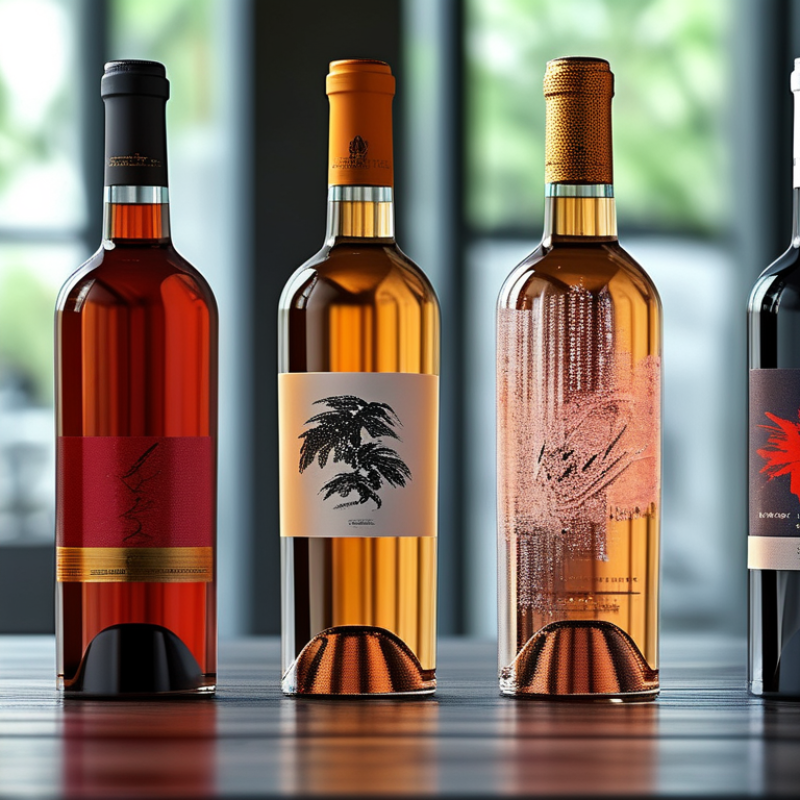
Understanding Consumer Perceptions of Premium Liquor Packaging
When it comes to premium liquor packaging, consumer perceptions are crucial. A recent study highlighted that 70% of consumers associate unique packaging with higher quality. This suggests that the design and aesthetics of the bottle play a significant role in shaping consumer attitudes. Glass thickness, label texture, and cap design are vital details that elevate the overall appearance.
Moreover, colors matter. Research indicates that dark colors are often tied to luxury, while metallic finishes add a modern touch. A striking design can invoke curiosity, leading to a decision to purchase. This is especially true in markets where premiumization is a growing trend. According to industry reports, premium spirits are projected to grow by 8% annually over the next five years.
Tips: Consider using sustainable materials. Eco-conscious consumers are increasingly drawn to brands that prioritize the environment. Additionally, clarity in labeling can enhance trust. Provide clear information about the product’s origin and quality.
Not all premium packaging succeeds. Some designs may be overly complex or confusing. It’s essential to keep the message clear while maintaining visual appeal. Regular consumer feedback can help brands adjust their packaging strategies and meet evolving preferences.
Key Design Elements that Influence Premium Liquor Bottle Aesthetics
The aesthetics of a liquor bottle significantly impact its perceived value. Elegant shapes capture attention instantly. Curved bottles can evoke luxury, while straight lines often suggest modernity. The use of unique bottle materials adds depth to the design. Glass offers a classic touch, while metal elements can introduce a contemporary flair. Colors also play a crucial role; rich hues like deep greens or blues often symbolize sophistication.
Label design is equally vital. Intricate labels can convey craftsmanship and heritage. Simplistic designs, however, might attract a minimalist audience. Typography should be readable yet artistic. A well-chosen font communicates the brand's personality. Additionally, the closure type matters. Corks typically suggest tradition, whereas sleek screw caps can reflect modern convenience.
It's essential to recognize that not all designs resonate universally. Cultural preferences influence what feels premium. Some regions may favor bold colors, while others prefer subtle tones. This subjectivity requires ongoing reflection. Producers must constantly reassess their choices. The challenge lies in balancing personal creativity with market demands. Understanding these design elements helps create bottles that truly resonate with global buyers.
What Makes a Liquor Bottle Look Premium for Global Buyers
| Design Element |
Description |
Impact on Perception |
| Material |
Use of high-quality glass or unique materials to convey craftsmanship. |
Enhances perceived quality and luxury. |
| Label Design |
Intricate and artistic label designs with premium finishes. |
Creates a sense of exclusivity and brand prestige. |
| Bottle Shape |
Unique and elegant shapes that stand out on shelves. |
Impacts shelf presence and consumer attraction. |
| Color Palette |
Sophisticated color choices that resonate with luxury. |
Evokes emotions and influences buying decisions. |
| Closure Type |
Quality closures, such as corks or proprietary caps. |
Signifies attention to detail and quality control. |
| Embossing and Textures |
Use of embossed logos or textured surfaces for tactile appeal. |
Adds a sensory dimension that enhances luxury perception. |
| Sustainability Features |
Use of recycled or eco-friendly materials. |
Attracts environmentally-conscious consumers and adds value. |
Material Choices: Glass vs. Plastic and Their Impact on Perceived Value
When considering the packaging of liquor, material choices play a crucial role. Glass bottles often convey a sense of premium quality. Their weight and clarity give an impression of luxury. On the other hand, plastic bottles can appear less sophisticated. They may lack the sheen and heft that buyers equate with high-end products. However, it's important to recognize that plastic can be more versatile and cost-effective.
The texture of glass enhances the tactile experience. Consumers appreciate the smoothness and weight in their hands. In contrast, plastic often feels lighter and may not evoke the same emotional response. This difference can impact a buyer's decision. While glass may be the favored choice for traditional spirits, innovative designs in plastic are emerging. Reflect on how your choice of material conveys your brand's message.
Tips for packaging decisions include considering your target audience's preferences. Conduct market research to understand what materials resonate with them. Transparency about your reasons for material choice can build trust. Additionally, focus on sustainable options. Eco-friendly materials can appeal to a growing segment of environmentally conscious buyers. Don’t overlook the potential of mixed materials for a unique appeal.
Industry Trends: The Role of Heritage and Craftsmanship in Packaging
Craftsmanship and heritage play vital roles in the luxury liquor market. Many buyers seek products that tell a story. This narrative often begins with the origins of the distillation process. For instance, artisanal methods handed down through generations can elevate a brand's prestige. Unique designs that reflect a region's culture also resonate with consumers. Each detail matters, from the label to the bottle shape.
Heritage can create a sense of belonging. Some brands emphasize local ingredients or traditional techniques. This commitment to authenticity builds trust among consumers. It connects them to the liquor’s roots. However, not every brand achieves this connection. Some may prioritize aesthetics over meaningful storytelling, risking superficiality. Craftsmanship, then, must shine through in all aspects—bottle texture, closure mechanisms, and artwork.
Packaging that looks premium can enhance perception. Yet, if it's only about looks, buyers may feel deceived. True quality lies in both appearance and substance. This balance is crucial when appealing to discerning global buyers. A blend of heritage and skilled craftsmanship defines what is truly premium. The challenge is maintaining authenticity while attracting an audience eager for luxury experiences.
What Makes a Liquor Bottle Look Premium for Global Buyers
Market Data: Sales Performance of Premium vs. Standard Liquor Bottles
The premium liquor market is witnessing a significant shift in consumer preferences. Recent market data indicates that sales of premium liquor bottles are steadily growing, even amid economic uncertainty. This trend reflects a wider cultural appreciation for quality and craftsmanship. Consumers are willing to pay more for superior taste, presentation, and perceived status.
Interestingly, the gap between premium and standard bottles is narrowing, but it is essential to explore what actually defines a premium product. Factors such as bottle design, label aesthetics, and packaging materials play a crucial role. Eye-catching shapes, unique textures, and eco-friendly materials can enhance a liquor bottle’s appeal. Yet, not all premium designs resonate with buyers. Sometimes, overly extravagant designs alienate consumers seeking authenticity.
Moreover, branding plays a pivotal role in this market. Yet, brands must balance elegance with trustworthiness. Transparency about sourcing and production methods is vital. Some brands have struggled when misalignment occurs between premium pricing and perceived value. It highlights the importance of consumer feedback in shaping product offerings. Without understanding buyer preferences, even the finest liquor can miss the mark.
FAQS
: Common materials include glass and plastic. Glass suggests luxury, while plastic is often more versatile.
Glass conveys quality through weight and clarity, while plastic feels lighter and less sophisticated.
Craftsmanship tells a story and connects consumers to the product's origins, enhancing brand prestige.
Heritage creates a sense of belonging. Authenticity in ingredients and methods can build trust among consumers.
Conduct market research to identify material preferences. Transparency about choices builds consumer trust.
Eco-friendly materials appeal to environmentally conscious buyers, providing a market advantage.
Prioritizing aesthetics over meaningful storytelling can result in superficial designs that alienate consumers.
Premium bottles focus on quality and craftsmanship, making them desirable, even in tough economic times.
They must listen to consumer feedback and adjust designs or sourcing for better alignment.
Overly elaborate designs may seem unauthentic and deter consumers looking for genuine quality.
Conclusion
In exploring what makes a liquor bottle look premium, one must consider several key factors that shape consumer perceptions. Packaging plays a crucial role, where design elements such as unique shapes, elegant labels, and sophisticated color schemes significantly enhance the bottle's visual appeal. Furthermore, the choice of materials—whether glass or plastic—affects perceived value, with glass often associated with luxury and craftsmanship.
Industry trends also highlight the importance of heritage and artisanal qualities in packaging, as consumers increasingly seek products that convey a story and authenticity. Market data further supports the notion that premium liquor bottles outperform standard ones in sales, underscoring the impact of thoughtful design and material choices on consumer preferences in the competitive spirits market. Thus, the synthesis of these elements is essential in creating a liquor bottle that not only looks premium but also resonates with discerning global buyers.

 Swapora Bottle