Why Are Some Liquor Bottles Thicker Than Others in 2026?

Time:2026-05-01 Author:Sophia
0%

The liquor industry is known for its diversity. One question often asked is, "why are some liquor bottles thicker than others?" This inquiry leads us to explore the various reasons behind the design choices in bottle thickness. Thicker bottles can signify premium products. They can also enhance the visual appeal on store shelves.

On the flip side, thinner bottles may be more cost-effective. A thicker bottle might not always mean better quality. Different brands have unique strategies that reflect their target market. These choices can be influenced by tradition, brand image, and even sustainability practices. However, not everyone understands these intricacies.

Consumers often overlook the practical aspects of bottle design. For example, thicker glass can provide better insulation. It can also protect the liquid from light exposure. Still, one may wonder if aesthetics sometimes take precedence over functionality. This ongoing debate raises important considerations for both manufacturers and consumers.
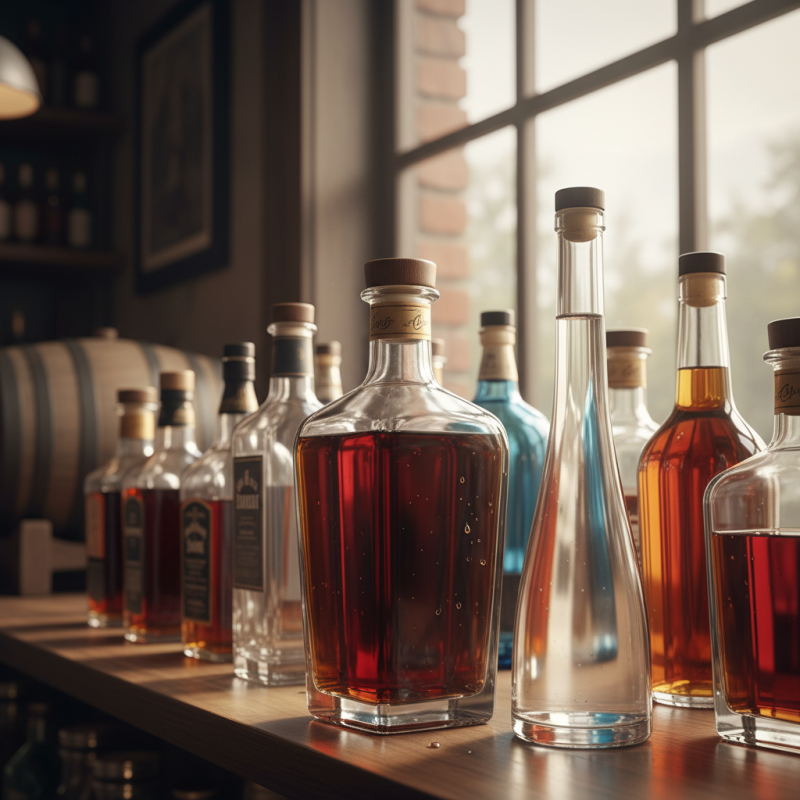
Why Are Some Liquor Bottles Thicker Than Others in 2026?

Factors Influencing the Thickness of Liquor Bottles in 2026

In 2026, the thickness of liquor bottles varies widely due to several factors. One primary reason is cost efficiency. According to industry reports from the International Glass Federation, producers strive to balance quality and expense. Thicker bottles often indicate higher production costs but offer better protection against breakage.

Environmental considerations also play a significant role. As sustainability becomes more crucial, companies are rethinking their packaging strategies. Some manufacturers opt for thinner bottles to reduce material use. However, this can lead to a perception of reduced quality. The Beverage Packaging Association highlights that consumer habits are shifting – shoppers are becoming more quality-conscious while also caring about environmental impact.

Another factor affecting bottle thickness is region-specific preferences. In certain markets, thicker bottles symbolize luxury. Yet, in others, lighter bottles appeal more to modern consumers. This variation creates inconsistency in packaging standards. Industry analysts observe that brands must navigate these complexities. Balancing durability, aesthetics, and sustainability remains a challenge, prompting ongoing discussions in the liquor industry.

Why Are Some Liquor Bottles Thicker Than Others in 2026? - Factors Influencing the Thickness of Liquor Bottles in 2026

Factor Description Impact on Thickness Common Materials
Production Standards Manufacturers may follow different production standards regarding bottle thickness. Higher standards may lead to thicker and sturdier bottles. Glass, PET Plastic
Branding Strategy Brands may use thicker bottles to convey luxury or premium quality. Thicker bottles can enhance the perceived value of the product. Recycled Glass, Polycarbonate
Logistical Considerations The thickness of the bottle can affect shipping and storage efficiency. Thinner bottles may reduce weight but increase breakage risk. Standard Glass, Thick Glass
Environmental Regulations Regulations may encourage certain materials affecting thickness. Sustainable materials could compromise thickness. Sustainable Glass, Biodegradable Plastics
Consumer Preferences Consumers may have a preference for certain weights and thicknesses in bottles. Perception of quality and durability is often linked to thickness. Heavy Glass, Multi-layer Plastics

Advancements in Glass Manufacturing Techniques and Their Impact

In 2026, liquor bottle thickness has become a key focus in glass manufacturing. New technologies in glass production have led to enhanced durability and design flexibility. According to industry reports, advanced forming techniques can reduce material costs by up to 20%. This shift allows producers to create thicker bottles that resist breakage in transport.


The impact of these techniques on aesthetic appeal cannot be overlooked. Thicker bottles often convey quality and luxury to consumers. A study by the Glass Packaging Institute in 2025 highlighted that 70% of consumers associate thicker glass with premium quality. Such perceptions can influence buying decisions significantly.


However, there are challenges. Some manufacturers may struggle to balance durability and weight. Thicker glass can lead to higher shipping costs due to increased weight, impacting pricing strategies. Finding the right thickness is crucial, as excessive weight may deter environmentally-conscious consumers. It’s important for producers to reflect on these dynamics in their manufacturing processes.

Sustainability Trends: Eco-Friendly Materials and Bottle Design

The rise in eco-friendly materials in liquor bottles reflects broader sustainability trends. Many brands are now using recycled glass instead of traditional methods. This change reduces energy consumption. Thicker bottles can signify quality, but they may also impact the environment. A thicker bottle uses more material and energy during production.

Some companies experiment with biodegradable plastics. These options can break down naturally and reduce waste. However, the durability of these materials remains a concern. They must balance sustainability with functional design. Innovations are crucial, yet not all eco-friendly materials perform equally well.

Consumers increasingly seek appealing designs. The visual aspect of a bottle matters greatly. However, striking the right balance between aesthetics and sustainability is challenging. Some brands fall short, making bottles that are visually pleasing but not sustainable enough. Continuous improvement in this area is essential for future growth.

Consumer Preferences and Market Trends Affecting Bottle Thickness

The thickness of liquor bottles is evolving in 2026. Changes in consumer preferences heavily influence design choices. Sustainability is at the forefront of many buyers' minds. Eco-friendly bottles are gaining momentum. Some consumers now prefer lighter, thinner bottles. They want to reduce their environmental footprint. This trend is reshaping the market.

However, thicker bottles are not entirely going away. Many consumers still appreciate the perception of quality that comes with a sturdier bottle. The weight often implies luxury and tradition. Brands face a challenge in balancing aesthetics with functionality. There’s a delicate dance between consumer desires and the need for more sustainable practices.

Market trends reveal that people are more conscious than ever. They are willing to pay extra for packaging that supports their values. This creates a paradox for manufacturers. They must navigate these shifting preferences carefully. Re-evaluating materials and design must be part of their strategy. Reflection on these dynamics is essential for long-term success. The industry must adapt relentlessly to remain relevant.

The Role of Branding and Aesthetics in Liquor Packaging Choices

The thickness of liquor bottles has become a subtle marker of branding and aesthetics in 2026. These choices often reflect the identity a brand wishes to convey. Thicker bottles may symbolize luxury and strength. In contrast, sleek, thinner designs can evoke elegance and modernity. This visual aspect can dramatically influence consumer perceptions and purchasing decisions.

Consumers often connect packaging with quality. A heavier bottle feels substantial, suggesting a premium product inside. However, this perception can be misleading. Brands may choose thicker glass for aesthetic appeal rather than actual product quality. A beautiful bottle can sometimes mask what lies within. This leads to a complex relationship between consumers and their expectations.

Brands must navigate this landscape carefully. The right packaging can enhance a product's allure. However, overemphasis on aesthetics can lead to thoughts of superficiality. Will consumers eventually prioritize what's inside over the bottle? Time will tell if the allure of thick bottles endures or fades in favor of a more authentic experience.

FAQS

: What factors influence the thickness of liquor bottles in 2026?

: Cost efficiency, environmental considerations, and regional preferences affect bottle thickness significantly.

How does cost efficiency impact bottle thickness?

Thicker bottles generally have higher production costs, but they offer better protection against breakage.

Why are some manufacturers opting for thinner bottles?

Thinner bottles reduce material use, addressing sustainability concerns, but may suggest reduced quality to consumers.

What role do consumer habits play in bottle thickness choices?

Consumers are increasingly quality-conscious and care about environmental impact, affecting packaging decisions.

How do advancements in glass manufacturing impact liquor bottles?

New technologies allow for thicker, more durable bottles while potentially reducing material costs.

What perception do consumers typically have about thicker glass bottles?

Many consumers associate thicker glass with premium quality, influencing their buying decisions.

What challenges do manufacturers face when choosing bottle thickness?

Balancing durability, weight, and shipping costs is difficult, as excessive weight can deter eco-conscious consumers.

How does branding influence the choice of bottle thickness?

Thicker bottles may suggest luxury, while thinner designs can convey elegance, impacting consumer perceptions.

Can packaging aesthetics be misleading?

Yes, a beautiful bottle might mask the actual product quality inside, complicating consumer expectations.

What might be the future of bottle thickness preferences?

Consumers could start prioritizing product authenticity over attractive packaging, changing current trends in the industry.

Conclusion

In 2026, the question of "why are some liquor bottles thicker than others" can be explored through several influencing factors. Advances in glass manufacturing techniques have significantly enhanced the strength and durability of bottles, allowing for varied thicknesses tailored to specific product needs. Additionally, the rise of sustainability trends has led to the use of eco-friendly materials in bottle design, potentially affecting their thickness as manufacturers seek to balance environmental considerations with product integrity.

Consumer preferences and market trends also play a crucial role in determining bottle thickness, as brands aim to create appealing packaging that resonates with buyers. Moreover, the importance of branding and aesthetics cannot be overlooked; thicker bottles are often perceived as premium, contributing to a product's overall image. As these factors converge, they shape the diverse landscape of liquor bottle design in 2026.

Sophia

Sophia

Sophia is a dedicated marketing professional with an exceptional depth of knowledge about her company's products and services. With a keen understanding of market trends and customer needs, she crafts insightful blog posts that not only inform but also engage readers, enriching the company’s online......