In the competitive liquor market, presentation is crucial. A premium appearance can significantly influence consumer choice. Studies indicate that over 70% of consumers are swayed by packaging design when purchasing alcohol. This highlights what makes a liquor bottle look premium—distinctive labels, elegant shapes, and high-quality materials play vital roles.
Research shows that bottles with intricate designs can enhance perceived value. For instance, a report from Beverage Dynamics revealed that 60% of consumers associate unique packaging with superior taste. Transparent bottles, vibrant colors, and creative closures can elevate the shelf appeal.
However, challenges arise. Not all bottles that gleam are deemed premium. Without sustainable practices or authentic storytelling, a bottle may fail to resonate with conscious consumers. Reflecting on these aspects can lead to improvements in design strategy. Elevating packaging is not just about aesthetics; it’s about connection and authenticity in a crowded market.
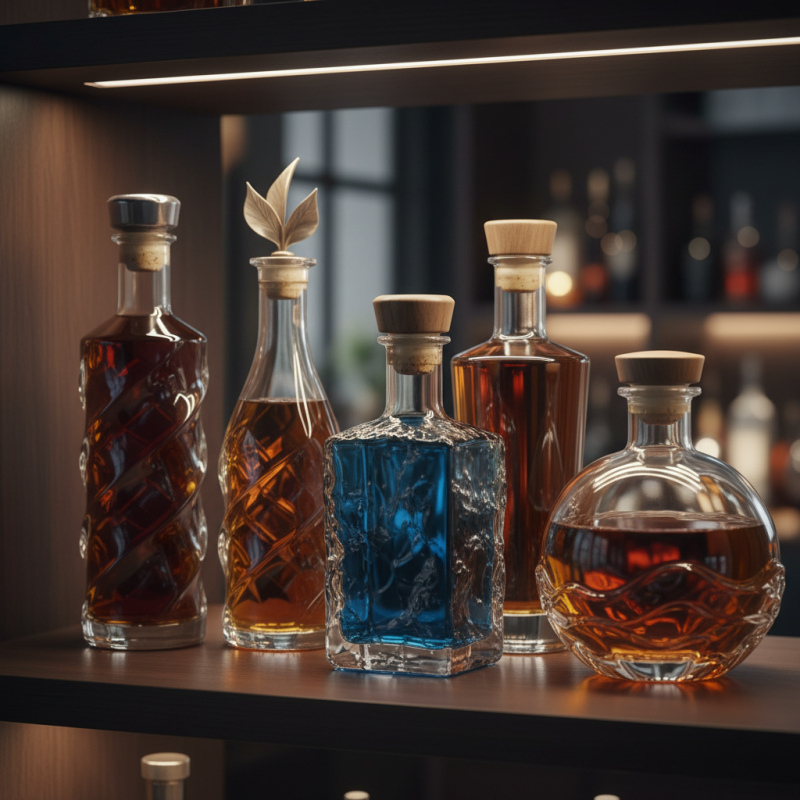
When selecting a liquor bottle design, visual appeal plays a crucial role. Research shows that the bottle design can influence consumer choices by up to 70%. Shapes, colors, and materials can create a unique identity for the product. A well-crafted bottle can attract attention and elevate the perception of the brand. For example, bold colors combined with sleek lines often catch the eye. Clear glass can showcase the liquid’s color and quality.
Details matter. A textured finish or an intriguing label can create an opportunity for storytelling. According to industry reports, consumers are likely to spend 20% more on a product that presents well. A clever design can convey sophistication. However, overspending on complex designs can lead to financial strain. Simplicity can be elegant, yet it risks blending into the background. Finding the right balance is essential.
Custom features, like embossed logos or elegant caps, add a premium feel without excessive costs. However, brands must consider practicality. Will complex shapes fit on shelves? Will they be easy to manufacture? These questions are crucial. Great design often faces practical limitations. Sustainability is also key. Eco-friendly materials appeal to conscious consumers. Balancing aesthetics and functionality is a continual challenge in the industry.
High-quality labels play a crucial role in enhancing the perceived value of liquor bottles. Studies show that consumers often associate premium packaging with superior quality. In fact, research by the Packaging Institute indicates that 72% of consumers judge products based solely on their packaging. This emphasizes how vital it is to invest in top-notch labels.
Labels should reflect the brand's story. A well-designed label can convey authenticity and craftsmanship. Consider using textured finishes, unique materials, or foil stamping. These details can create a tactile experience that attracts customers. A survey by the Spirits Business found that 65% of buyers are influenced by packaging aesthetics when making a purchasing decision.
Here are some tips for creating impactful labels. Choose colors that evoke emotions aligned with your brand. Bold colors can suggest vibrancy, while muted tones may imply sophistication. Ensure your typography is readable but distinctive. Aim for a balance between modern design and classic elegance. Finally, avoid clutter. Simplicity can often speak louder than complexity in label design.
Creating a premium look for liquor bottles on your shelves starts with unique colors. Rich, deep hues catch the eye. Consider dark emerald greens, bold sapphires, or burnt oranges. These shades evoke a sense of sophistication. Plus, they stand out against traditional clear or amber bottles. Layering colors can also enhance visual interest. Think about ombre effects or dual-tone designs that create a modern twist.
Textures play a crucial role too. A matte finish can convey elegance, while glossy surfaces suggest luxury. Embossing or debossing adds depth, making the design tactile. Even selecting the right cap can elevate the overall presentation. Metal or wooden finishes can add a touch of refinement. However, balancing these elements is essential. Too many competing textures can overwhelm the viewer, diluting the premium feel.
There’s also the risk of not considering practicality. Intricate designs may look stunning but can complicate usage. Ensuring that the bottle is easy to handle and pour is important. A beautiful bottle should also be functional. Reflecting on these aspects can refine the overall design strategy. Achieving that perfect blend of aesthetic and practicality takes creative experimentation.
| Dimension | Value |
|---|---|
| Bottle Shape | Curved |
| Color | Deep Emerald Green |
| Label Material | Textured Paper |
| Cap Finish | Matte Gold |
| Font Style | Elegant Serif |
| Embossing | Yes |
| Icon Design | Custom Crest |
| Unique Texture | Frosted Glass |
Creating a stunning display for liquor bottles can significantly enhance their appearance and attract customers. Research from the Distilled Spirits Council indicates that 47% of consumers purchase based on visual appeal. This statistic shows the importance of effective showcasing.
Placement on shelves matters greatly. Bottles should be placed at eye level to catch attention immediately. Additionally, using varied heights and creative arrangements can make a display dynamic. Bold colors and elegant designs can set certain bottles apart. A sleek label can evoke a sense of luxury, encouraging consumers to reach for it. However, overcrowding shelves can confuse customers. Aim for balance and clarity in your display.
Lighting plays a crucial role in showcasing bottles. Proper lighting can enhance colors and highlight design elements. Soft LED lights can create an inviting ambiance. However, excessive brightness may cause glare and diminish the allure. Regular adjustment and maintenance of displays are essential. Staying aware of trends in showcasing can offer valuable insights. Keeping an eye on competitors and consumer feedback allows for constant improvement in presentation.
Lighting can transform a simple liquor bottle into a premium display piece. Use focused spotlights to highlight the contours and colors of the bottle. Warm, soft lighting creates an inviting atmosphere that attracts attention. Ensure that the lighting complements the bottle's design. Avoid harsh shadows that could detract from its elegance.
Consider the positioning of your lights. LED strips can accentuate the shelf's edges, guiding the eye toward the bottles. Experiment with different angles to discover what works best. Too much light can wash out the bottle’s colors. A delicate balance will emphasize its premium features while maintaining a sense of depth.
Reflecting on your setup can lead to improvement. Look for areas where the lighting might not be cohesive. Sometimes less is more. Small adjustments can yield significant results. A well-lit shelf not only showcases products but also invites customers to linger and explore.
: Deep hues like emerald green and bold sapphire attract attention. They evoke sophistication.
Textures convey different feelings. Matte finishes suggest elegance; glossy surfaces indicate luxury.
The right cap can elevate a bottle’s appearance. Metal or wood finishes add refinement.
Place bottles at eye level for immediate visibility. Use varied heights for visual interest.
Proper lighting enhances colors and design elements. Soft LED lights create an inviting ambiance.
Don’t overcrowd shelves. Too many bottles can confuse consumers and dilute appeal.
Ensure beautiful designs are also functional. Easy handling and pouring are essential.
Observing competitors offers insights on trends in design and display strategies.
Regular adjustments are vital. Keeping displays fresh can attract returning customers.
Yes, consumer feedback helps to refine display strategies and improve overall appeal.
To create a liquor bottle that stands out as premium, understanding what makes a liquor bottle look premium is crucial. Firstly, the bottle design itself should evoke elegance and sophistication, with sleek shapes and thoughtful contours that catch the eye. High-quality labels play a significant role in enhancing perceived value; investing in materials that offer a tactile experience can greatly influence consumer perception.
In addition to design and labeling, incorporating unique colors and textures can create striking visual effects that draw attention. Effective shelving strategies also matter; horizontal or vertical displays can significantly impact how products are viewed. Finally, employing strategic lighting techniques can further accentuate a bottle's premium features, creating an inviting ambiance that encourages customer engagement. By focusing on these elements, brands can successfully elevate their product's market presence.

Swapora Bottle