Choosing the right closure for your wine can significantly impact its taste and longevity. This decision often boils down to how to choose between cork and screw cap closures. Each option has unique characteristics and consequences for wine storage.
Cork closures have been the traditional choice for centuries. They allow the wine to breathe, which can enhance its flavor. However, corks can be unpredictable. They may spoil, leading to corked wine, which spoils the experience. On the other hand, screw caps offer a modern solution. They provide a tight seal, protecting wines from oxidation. Many believe that screw caps maintain freshness better than corks.
It’s essential to consider personal preferences and wine types. For instance, fine wines often benefit from cork closures. However, everyday wines and those meant for early consumption can work well with screw caps. Reflect on the wine you're purchasing and its intended purpose. Ultimately, your choice should align with the wine’s character and your taste.
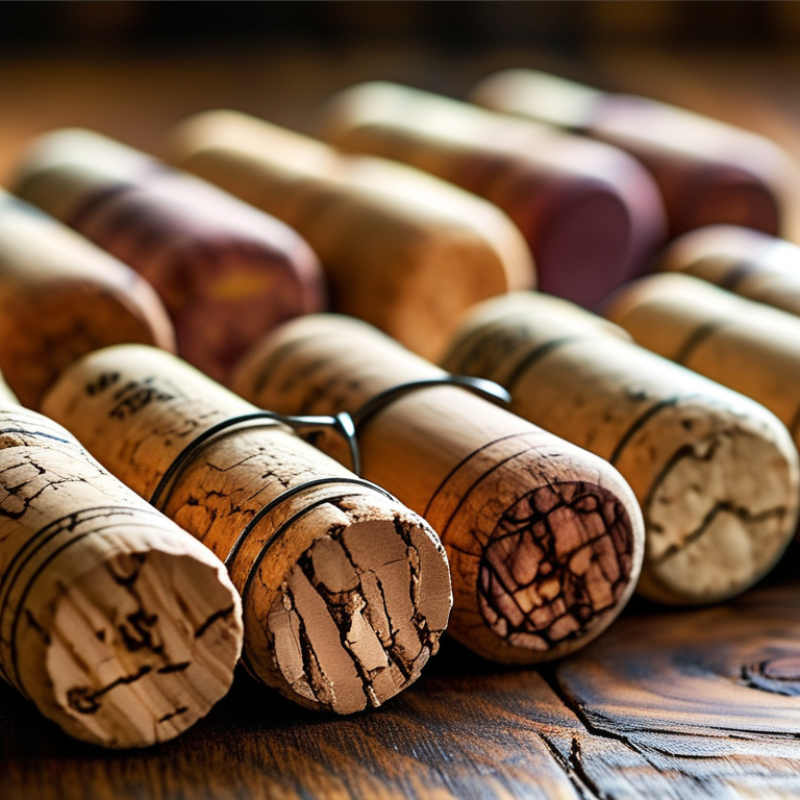
Understanding the Different Types of Wine Closures: Cork vs. Screw Cap
When choosing between cork and screw cap closures, it's essential to understand their differences. Cork is a traditional choice, often associated with older wines. It allows for some oxygen exchange, which can enhance aging. However, poor storage conditions can lead to cork taint, spoiling the wine. Screw caps offer a tight seal, preserving freshness. They are becoming more common, especially for white wines and those meant for early consumption.
Tips for choosing the right closure:
Consider the aging potential of the wine. If you plan to let it age, cork may be suitable. For wines to drink soon, a screw cap can keep flavors intact. Think about environmental impact, too. Cork is natural, while screw caps require metal production. Weight, accessibility, and ease of opening are also key factors.
Another aspect is taste preferences. Some wine enthusiasts swear by the cork experience, believing it enhances the sensory journey. Others appreciate the consistency offered by screw caps. It’s a subjective choice, and exploring both will enhance your understanding. Remember, there’s no one-size-fits-all solution in the world of wine closures.
Evaluating the Impact of Closure Types on Wine Preservation and Aging
When choosing between cork and screw cap closures, it’s essential to consider their impact on wine preservation and aging. Cork, a traditional choice, allows for slight oxygen transfer. This can enhance complex flavors over time. However, cork is not without issues. It can lead to cork taint, which negatively affects wine quality.
Screw caps, on the other hand, provide a tight seal. They prevent oxygen from interacting with the wine. This can preserve fresher, fruit-forward characteristics. Yet, there are debates about their long-term aging potential. Some wine enthusiasts feel that screw caps limit the development of certain flavors. While research shows screw caps can preserve wine well, personal preference plays a crucial role.
Both closure types present advantages and challenges. The right choice often depends on the type of wine and intended aging process. Many winemakers still rely on cork for premium wines. However, as ongoing studies emerge, screw caps are gaining respect. Understanding these nuances helps in making informed decisions about wine storage and enjoyment.
Assessing Flavor and Aroma Preservation: Cork vs. Screw Cap
When it comes to preserving flavor and aroma in wine, the choice between cork and screw cap closures has been a long-standing debate. Research indicates that cork allows for a small amount of oxygen exchange, which can enhance the aging process. A study from the Australian Wine Research Institute shows that 90% of wines sealed with cork can develop complex flavors over time. In contrast, screw caps create a much tighter seal, often retaining freshness and fruity notes. Analysis suggests that about 85% of wines under screw caps maintain their aroma profile for longer periods.
Using cork might evoke traditions and a sense of authenticity. Yet, it comes with risks of cork taint, affecting 2-3% of bottles. Proper storage is crucial. Wines sealed with screw caps can often be more reliable. They are less likely to spoil and can be consistent in quality. A survey by Wine Enthusiast noted that 78% of consumers appreciate the convenience of screw caps, especially for casual drinking.
Tip: Consider the type of wine. For wines meant for aging, cork may be preferable. For everyday consumption, screw caps can provide peace of mind. Always store wine properly, regardless of closure type, to maximize its potential. Pay attention to the vintage and region, as these factors influence preservation methods.
Top Tips for Choosing Between Cork and Screw Cap Closures
| Closure Type |
Flavor Preservation |
Aroma Preservation |
Oxidation Rate |
Cost Effectiveness |
Environmental Impact |
| Cork |
Good for long-term aging; allows small oxygen transfer |
Excellent; allows wine to develop complexity |
Low to moderate |
Generally higher due to harvesting and processing |
Sustainable if sourced responsibly |
| Screw Cap |
Very good; airtight seal |
Good; prevents oxidation |
Very low |
Lower, more affordable option |
Potentially less eco-friendly; depends on material |
Consumer Preferences: Cork vs. Screw Cap and Their Market Trends
When choosing between cork and screw cap closures, understanding consumer preferences can guide decisions. Cork closures have a long-standing tradition in the wine industry. Many enthusiasts associate cork with quality and heritage. However, screw caps have gained traction due to their convenience and reliability. The market trends reflect this shift.
One tip is to consider the type of wine. Whites and rosés often benefit from screw caps, as they maintain freshness longer. In contrast, reds may still appeal to traditionalists who prefer cork. Another point to reflect on is the environmental impact. Cork is a natural product and can be sustainable, while screw caps are often made from aluminum and plastic.
Consumer feedback reveals mixed feelings. Some enjoy the ritual of popping a cork, while others appreciate the simplicity of screws. Options are expanding, and it’s vital to stay informed. Understanding these nuances can help in making a more informed closure choice that aligns with personal taste and market insights.
Consumer Preferences for Wine Closures: Cork vs. Screw Cap
Environmental Considerations in Choosing Wine Closures: Sustainability Factors
When selecting wine closures, sustainability is a crucial factor. According to a 2022 industry report by the Beverage Industry, over 50% of consumers prefer environmentally friendly packaging. Cork and screw caps have different environmental impacts. Cork, a natural product harvested from trees, can be a sustainable choice if sourced responsibly. However, not all cork production methods are eco-friendly, leading to deforestation and biodiversity loss.
Screw caps are often considered less sustainable due to their plastic components. Yet, they can be recycled more easily in certain regions. In fact, a study from Wine Analytics reports that the recycling rate for screw caps is increasing, signaling a shift towards greener practices. Consumers should be aware of the lifecycle of each option before making a choice.
Tips for choosing responsibly:
- Investigate the source of cork and verify if it is certified sustainable.
- Consider the regional recycling capabilities for screw caps.
- Support brands that use eco-conscious practices in their wine closure production.
Every small choice impacts our planet.
Thoughtful decisions in closure selection can promote a more sustainable wine industry. Balancing preferences with environmental responsibilities is essential.
Conclusion
When considering how to choose between cork and screw cap closures for wine, it's essential to understand the differences between these two types. Cork closures are traditional and allow for some natural oxygen exchange, which can benefit the aging process of wine. Conversely, screw caps provide a tight seal that prevents oxygen from entering, potentially preserving the wine's freshness and preventing oxidation. Evaluating the impact of each type on wine preservation and aging is crucial for consumers.
Flavor and aroma preservation plays a significant role in this decision; while cork may enhance complex flavors over time, screw caps can retain the wine's original taste. Consumer preferences are shifting, as more individuals recognize the benefits of screw caps. Furthermore, environmental considerations related to sustainability are also influencing the choice of wine closures, prompting consumers to reflect on the ecological impact of their selections. In conclusion, understanding these factors helps consumers make informed decisions between cork and screw cap closures.

 Swapora Bottle