Choosing the right bottle shape for spirits is both an art and a science. Each spirit type has unique characteristics that influence its ideal container. Understanding how to choose bottle shape for different spirits can enhance the drink’s appeal and experience.
For instance, whiskey bottles often feature robust shapes, embodying tradition and permanence. In contrast, gin bottles can be taller and more slender, reflecting their floral notes. A tequila bottle might sport an organic feel, symbolizing its connection to nature. Each design tells a story about the spirit it contains.
Consider how the bottle shape affects consumer perception. A well-designed bottle attracts more attention, creating a connection with potential buyers. Reflecting your brand’s identity in the bottle shape is crucial. Think about what message you want to convey. Balancing creativity and functionality can lead to exceptional results. Yet, the choice can be challenging, as trends evolve and consumer preferences shift. It’s essential to experiment and reconsider designs regularly.
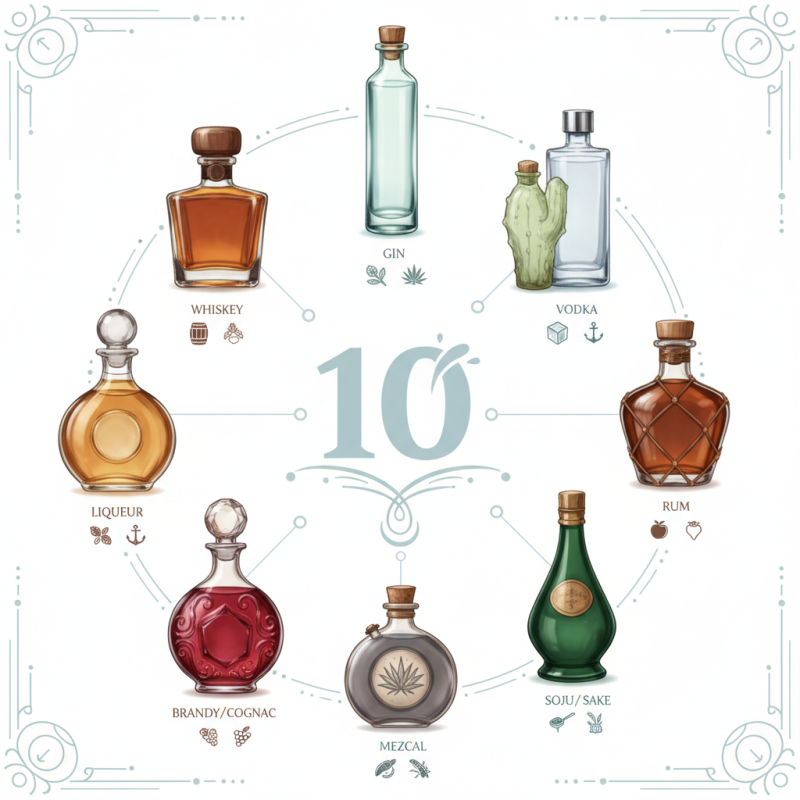
Understanding the Importance of Bottle Shapes in Spirits
Bottle shapes play a crucial role in how spirits are perceived. Research indicates that consumers often associate certain shapes with quality and premium experiences. A study showed that 72% of consumers choose a spirit based on its packaging. Traditional designs tend to evoke nostalgia, while modern shapes attract a younger demographic.
Unique bottle shapes can impact customer choice significantly. For instance, a tall, slender bottle can suggest elegance, appealing to consumers looking for sophistication. Conversely, round and stout bottles can convey warmth and approachability. However, experimentation with unconventional shapes can sometimes backfire, leading to confusion or mistrust among potential buyers.
The relationship between bottle design and branding is complex. It is essential that the shape aligns with the overall brand message. A mismatched design can dilute brand identity. Ultimately, understanding bottle shapes is not just about aesthetics. It’s about connecting with consumers on a deeper level. Continuously evaluating what resonates with the target audience is crucial for success.
Classic Bottle Shapes for Whiskey and Their Significance
Whiskey bottle shapes are not just about aesthetics; they carry deep significance. Traditional whiskey bottles often feature a broad base and a cylindrical neck. This design allows for a secure grip and enhances the presentation on shelves. According to The Distilled Spirits Council, whiskey retail sales reached $2.6 billion in the U.S. in 2021, making bottle design an important marketing tool.
Common shapes like the square or the tapered bottle each tell a story. Square bottles, for instance, signify strength and stability, appealing to consumers' desire for authenticity. The tapered bottle shape, often used for premium whiskeys, suggests elegance. A study by IWSR Drinks Market Analysis highlights that 35% of consumers choose spirits based on packaging alone, showing how crucial design is in an overcrowded market.
However, not all designs work equally well. Some innovative shapes may look appealing but can hinder practical use. This brings into question the balance between creativity and usability. As the market evolves, understanding consumer preferences will be key. Bottles that combine unique design with function will likely dominate the market in the coming years.
Unique Bottle Designs for Vodka: Enhancing Visual Appeal
When selecting bottle designs for vodka, visual appeal plays a crucial role. Unique shapes can elevate the spirit's branding. A sleek, tall bottle can convey elegance, while a round one might suggest warmth. Clear glass allows the vodka's purity to shine, making it more attractive. The label design should complement the shape, enhancing overall aesthetics.
Tips: Consider using bold colors for labels. They create a striking contrast against the clear glass. Additionally, etched designs can add texture and intrigue. It's important to remember that trends change. What seems appealing today may not resonate tomorrow. Regularly reassess your design to stay relevant.
Some bottle shapes may be challenging to produce. This could lead to higher production costs and longer lead times. It's vital to balance creativity with practicality. A remarkable design will stand out, but functionality is key. If a bottle is hard to handle, customers may choose alternatives. Reflect on your design choices and seek feedback. A unique bottle should entice but remain user-friendly.
Curvaceous and Stylish: Bottles for Gin and Their Impact
The shape of a gin bottle often reflects the spirit’s personality. Curvaceous designs can evoke elegance and playfulness. These bottles frequently feature smooth lines and unique silhouettes, making them visually striking. Such shapes can enhance the overall drinking experience. They attract attention on shelves and at bars, enticing customers to explore their contents.
A well-designed gin bottle does more than hold liquid. It engages the senses and sparks curiosity. Consider the way light plays on a curved surface. The reflections can create a mesmerizing effect. Additionally, the weight and feel of the bottle in hand can influence perception. A well-balanced bottle feels more luxurious, heightening the anticipation of tasting.
However, not every design thrives in commercial settings. Some intricate shapes may complicate production or impact the pouring experience. Simple designs might lack character but offer practicality. This balance between form and function is a constant challenge. Finding the right shape involves considering aesthetics, branding, and usability.
Top 10 Bottle Shapes to Choose for Different Spirits - Curvaceous and Stylish: Bottles for Gin and Their Impact
| Bottle Shape |
Description |
Best Suited Spirits |
Visual Impact |
| Contemporary |
Sleek, modern design with minimal curves |
Gin, Vodka |
Sophisticated and stylish |
| Classic |
Traditional rectangular shape with a wide neck |
Gin, Whiskey |
Timeless and elegant |
| Curvy |
Soft, rounded edges that give a playful touch |
Flavored Gin, Liqueurs |
Inviting and approachable |
| Decanter |
Ornate, typically used for older spirits |
Premium Gin, High-end Vodka |
Luxurious and sophisticated |
| Tall and Slim |
Elongated shape that maximizes visual height |
Gin, Aperitifs |
Sleek and modern |
| Round |
Full-bodied shape that captures attention |
Gin, Specialty Spirits |
Bold and eye-catching |
| Artistic |
Unique, designer shapes with artistic flair |
Craft Gin, Experimental Spirits |
Creative and distinct |
| Vintage |
Retro designs that evoke nostalgia |
Traditional Gin, Historical Recipes |
Sentimental and charming |
| Square |
Sharp angles with a modern appeal |
Craft Gin, Unique Blends |
Contemporary and bold |
| Bell Shape |
Flared bottom tapering to a neck |
Special Edition Gin, Rare Spirits |
Distinctive and memorable |
Innovative Shapes for Craft Spirits: Trends and Considerations
In a rapidly evolving craft spirits market, bottle design plays a crucial role. Innovative shapes can significantly influence consumer perception and brand identity. According to a report by The IWSR, 73% of consumers associate unique packaging with higher quality. This trend is reshaping how distilleries approach their product offerings.
Craft distillers are experimenting with eclectic designs. Curvy bottles and angular shapes can evoke emotions. For example, a rounded bottle may suggest warmth, while a sharp-edged design could imply sophistication. Data from Nielsen indicates that visually striking bottles can increase shelf visibility by 12%. However, choosing a shape isn't just about aesthetics. It also involves practical considerations like label space and production limitations.
Yet, not every inventive design succeeds. A niche shape might alienate a broader audience. Some bottles may be difficult to handle or pour. There’s a fine line between creative expression and usability. Distillers must continually engage with consumers to gauge preferences. Engaging in market research and testing designs can provide valuable insights into what truly resonates. This iterative process can help brands avoid costly missteps in a competitive landscape.
FAQS
: Bottle shapes significantly influence quality perception. Many consumers associate unique shapes with premium experiences.
Modern and innovative shapes tend to appeal more to younger demographics. They are drawn to unique designs.
A tall, slender bottle often suggests elegance. This appeals to consumers looking for a sophisticated option.
Yes, unconventional shapes can lead to confusion. They may create mistrust among potential buyers.
The bottle shape must match the brand identity. Mismatched designs can dilute the overall brand message.
Striking bottle designs can increase shelf visibility by up to 12%. This makes them more noticeable to consumers.
Yes, aspects like label space and production limits are crucial. Looks alone won’t ensure success.
Niche designs might alienate some consumers. Usability can be a serious concern, affecting pouring and handling.
Continuous engagement helps distillers understand preferences. This iterative process can prevent costly mistakes.
No, not every unique design resonates. Some can miss the mark, resulting in a disconnect with consumers.
Conclusion
Choosing the right bottle shape for different spirits is a crucial aspect of branding and consumer appeal. Understanding how to choose bottle shape for different spirits begins with recognizing the classic bottle designs associated with whiskey, which often convey tradition and heritage. Unique bottle shapes for vodka can enhance visual appeal, making them stand out on the shelf, while curvaceous and stylish bottles for gin reflect a modern and sophisticated image. Additionally, innovative shapes are increasingly popular among craft spirits, aligning with the trends of originality and creativity that resonate with contemporary consumers. By carefully considering these factors, producers can effectively communicate the essence of their spirits through bottle design.

 Swapora Bottle