When consumers lift an alcohol bottle, glass communicates quality before the first pour. Its weight, clarity, and cool surface create a familiar premium experience. In China, this impression matters across baijiu, wine, beer, and craft spirits. Yet appearance is only one part of the decision.
This article examines why glass is preferred for alcohol packaging through practical manufacturing and distribution considerations. Glass is chemically stable and usually does not change a beverage’s aroma or flavor. It also provides a strong barrier against oxygen, moisture, and external odors when properly sealed. These properties support product consistency during storage and transport. Food-packaging specialists also value glass because it can be cleaned, inspected, and recycled through established systems. Clear, amber, and colored glass offer different levels of light protection. The choice depends on the drink, closure, shelf life, and brand position.
No package is perfect. Glass bottles are heavier than many alternatives and may break during careless handling. Their production also requires substantial heat and energy. This article therefore avoids simple claims and considers both benefits and trade-offs. It reviews bottle quality, closure compatibility, labeling, logistics, and recycling practices. Real production details matter, including uneven walls, tiny scratches, hot warehouse conditions, and long-distance delivery. Some assumptions deserve review. Reliable packaging decisions should follow product testing, supplier records, applicable food-contact requirements, and verified environmental data. The following China-focused ranking presents ten practical reasons glass remains a leading choice for alcohol packaging.
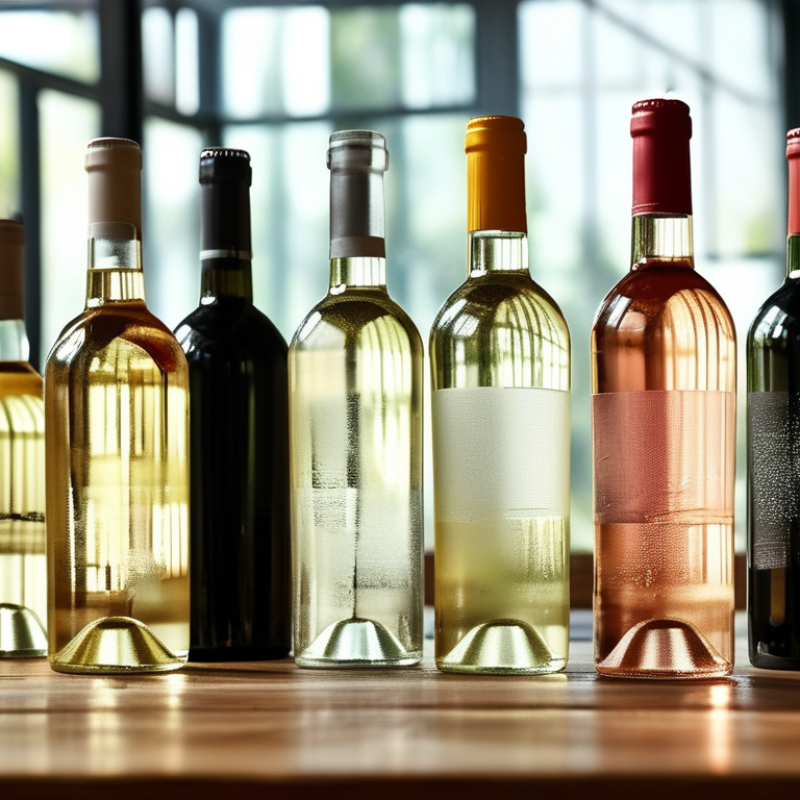
Glass as the Preferred Material for Alcohol Packaging in China
Glass remains a preferred material for alcohol packaging in China because it protects product quality and supports a premium presentation. In China’s diverse climate, a properly sealed glass bottle helps limit moisture, oxygen, and unwanted flavor transfer. Its solid weight also gives consumers a stronger sense of value during handling. Glass is inert, which makes it suitable for many spirits, wines, and fermented beverages. Clear glass can display color, while amber or dark glass helps reduce light exposure.
But glass is not perfect. Heavy bottles increase transport weight and may raise logistics costs. Breakage is another practical concern during storage and delivery. In packaging assessments, bottle shape, wall thickness, closure quality, and carton protection often matter as much as the material itself. A well-designed bottle can improve shelf presence without excessive weight. That balance is easy to miss. Recyclability also depends on local collection and processing systems, so broad claims require careful checking.
Tips: Choose glass based on product sensitivity, transport distance, and target positioning. Test the bottle under temperature changes and repeated handling. Ask suppliers about recycled content, quality controls, and closure compatibility. Check whether the packaging can be recovered in the intended market. A premium appearance should not hide avoidable material waste.
Glass protects liquid quality and creates a premium feeling in the hand. Its weight can suggest value. That impression is not always practical.
Glass forms a strong barrier against oxygen, moisture, and outside odors. It rarely reacts with the liquid inside. Delicate fruit, grain, and botanical notes can remain clearer.
Yes. A weak closure may allow oxygen to enter through the neck. Headspace also matters during long storage. A good bottle cannot fix poor sealing.
Clear glass displays color and supports visual inspection. Amber or dark glass reduces light exposure. Choose according to the product’s light sensitivity.
Thick walls, curved shoulders, and clean silhouettes can suggest care and tradition. Embossed details may catch warm shop lighting. More decoration is not always better.
Glass reflects dining-room light and nearby colors. A shaped cap or subtle pattern can create a memorable focal point. Small alignment errors may weaken the entire impression.
Glass is heavy and may increase transport costs. It can also break during storage or delivery. Complex shapes may reduce packing efficiency.
Test bottles through temperature changes and repeated handling. Check wall thickness, bottle shape, closure fit, and carton protection. Small defects can become serious problems.
Not automatically. Production requires considerable energy, and transport adds weight. Recycling depends on local collection and processing systems. Broad claims need careful checking.
Glass has long been regarded as the preferred material for alcohol packaging in China because it combines product protection, safety, and visual appeal. Its nonporous and chemically stable surface helps prevent unwanted reactions between the container and the alcohol, preserving the original flavor, aroma, color, and quality over time. Glass also provides an effective barrier against moisture and external odors, supporting a longer shelf life when the product is stored properly. Its strength and heat resistance further contribute to reliable filling, sealing, transportation, and storage.
The question of why glass is preferred for alcohol packaging is also closely connected to presentation and market value. Transparent, colored, or specially shaped glass can communicate cleanliness, craftsmanship, and product quality while creating a distinctive experience for consumers. In addition, glass is recyclable, supports sustainable packaging goals, and aligns well with safety and packaging regulations. Its established supply chain and broad acceptance in the Chinese market make it a practical choice for producers seeking to balance functionality, environmental responsibility, and attractive product presentation.

 Swapora Bottle