Why is 750ml the standard liquor bottle size? The answer combines history, trade, manufacturing, and consumer habits. In many markets, a 750ml bottle remains the familiar format for spirits, wine, and other regulated beverages. Yet “standard” does not mean universal. Bottle sizes vary by country, product category, brand, and local packaging rules.
So, what is the standard size for liquor bottles? For many common retail spirits, the answer is 750ml, or about 25.4 fluid ounces. This capacity fits comfortably on a retail shelf and provides roughly seventeen standard 1.5-ounce servings. It also balances weight, glass use, shipping efficiency, and retail pricing. A full bottle feels substantial, but it is still manageable in one hand. That practical detail matters in warehouses, shops, and home cabinets.
The 750ml format also reflects older trade systems and the gradual adoption of metric measurements. Some historical explanations connect it with glass production and traditional European bottle capacities. However, the exact reason is not perfectly documented across every category. That uncertainty deserves honesty. Packaging standards developed through several influences, not one simple decision. Larger formats, half bottles, and miniature bottles remain important for different occasions. Travelers may notice different sizes immediately when comparing shelves abroad. Industry guidance, retailer practices, and regional regulations continue shaping these choices. Understanding the 750ml bottle means looking beyond convenience. It reveals how manufacturing, commerce, serving habits, and consumer expectations quietly meet in one familiar container.
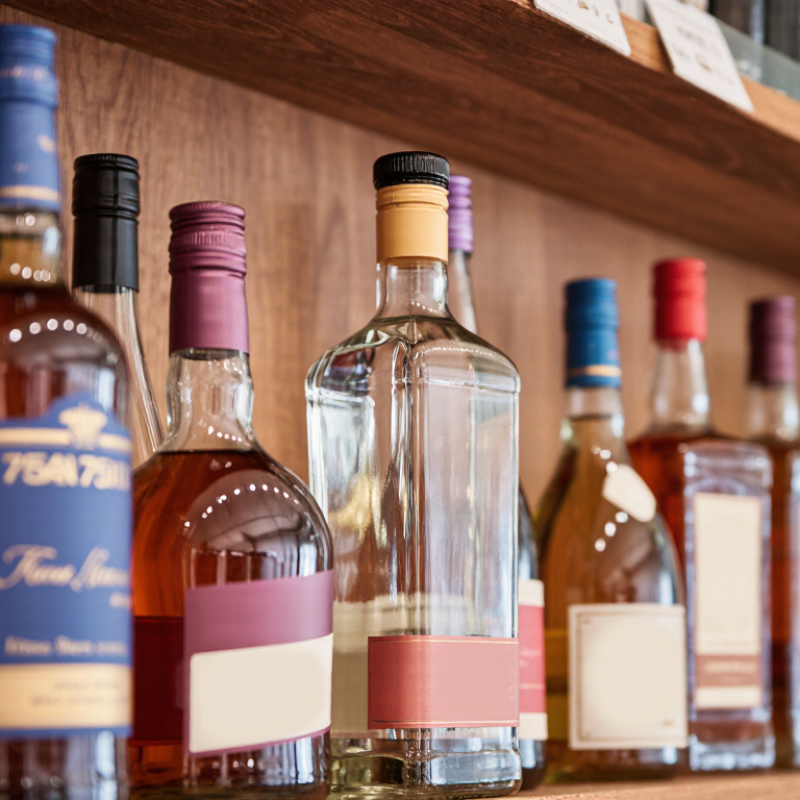
The 750ml bottle has roots in older American and European measuring systems. In the United States, a common liquor size was the “fifth,” equal to one-fifth of a gallon. That volume measured about 757ml. When metric labeling became more practical, producers adopted the nearby 750ml size.
The change was gradual. It followed international trade, updated packaging rules, and the growing use of metric measurements. A round 750ml label was easier to print, compare, and calculate than 757ml. It also worked well with established glass molds and shipping cartons. Glassmakers could produce the bottle consistently, with enough space for a cork or closure and a stable base.
Manufacturing history matters here. Older bottles depended on hand-blown glass, so capacity varied from one vessel to another. Later machines improved accuracy and reduced waste. Some popular explanations credit a glassblower’s lung capacity, but that story is difficult to prove. The real answer is less dramatic: trade habits, measurement changes, and factory efficiency gradually reinforced one another.
A useful detail remains. A standard 750ml bottle holds about five glasses of 150ml each, although serving sizes differ across cultures. The number feels precise, yet its origin was partly practical compromise. That makes the history slightly untidy, but also more believable.
The 750ml bottle is closely tied to Europe’s historic wine trade. Before modern factories, glass bottles were shaped by hand. A skilled glassmaker could form a practical vessel with limited air and effort. Some historians connect 750ml to the average capacity a worker could blow, but this explanation is not fully proven. Trade records offer a stronger clue. Wine was often moved in large wooden casks, then transferred into bottles for serving and storage. A 750ml measure divided neatly into older commercial units, making counting and selling easier.
Shipping also encouraged consistency. Bottles needed to fit wooden cases, cellar shelves, and transport routines without wasting space. The size was large enough for several glasses, yet light enough for ordinary handling. Later, international trade and metric labeling helped make 750ml familiar across markets. It was not created by one single rule. That part is often oversimplified. Regional bottle sizes still exist, especially for traditional wines and specialty spirits.
Tips: Check the bottle’s actual fill volume, not its shape. A tall bottle may still hold 750ml. For storage, keep the container cool, shaded, and upright when the closure requires it. Measure servings with a marked tool. Personal experience matters here; pouring by eye is surprisingly inconsistent.
Why Is 750ml the Standard Liquor Bottle Size?
The 750ml bottle grew from a meeting between old trade habits and modern measurement systems. Before metric units became widely accepted, merchants often used gallons, quarts, and “fifths” to describe liquid volumes. In the United States, one fifth of a customary gallon measured about 757ml. The metric system later offered a cleaner figure: 750ml, or 75cl.
A neat conversion.
This small adjustment helped manufacturers, retailers, and consumers work with simpler numbers. Labels became easier to compare, shipping records became more consistent, and measuring equipment could follow metric standards. A 750ml bottle also fits comfortably in the hand, while its tall glass shape protects the liquid and uses shelf space efficiently.
The change was not created by one authority or one technical decision. It developed through trade practices, packaging technology, and gradual regulation. Glassblowing traditions may have influenced familiar bottle shapes, but the exact history is less certain than many popular explanations suggest. That uncertainty matters. Today, 750ml remains common in several markets, while 700ml is widely used elsewhere. The “standard” is therefore practical, not universal. A bottle on a retail shelf may reflect regional law, historical commerce, and production economics at the same time.
How Measurement Systems Shaped the 750ml Standard
The 750ml bottle became widely established during the transition from U.S. customary measurements to the metric system. A traditional U.S. “fifth” was one-fifth of a U.S. gallon, equal to approximately 757ml. The metric 750ml format was close enough to preserve the familiar bottle size while creating a simple, internationally consistent measurement. Related formats, such as 375ml and 1,500ml, are direct metric multiples or divisions of the 750ml bottle.
The 750ml bottle is not a universal legal requirement. It became a practical meeting point between regulation, trade, and consumer habits. In the United States, TTB wine standards list 750ml as an approved standard of fill. This rule helped retailers, importers, and producers use one familiar format across large markets.
Europe developed a slightly different pattern. European Commission Directive 2007/45/EC permits several nominal quantities for wine, including 750ml. For many spirits, 700ml became more common because of European metric harmonization. Both sizes can sit on the same retail shelf. That detail matters. A bottle’s shape may suggest tradition, but the label often reflects regulation.
Commercial logistics also reinforced the 750ml format. A case of twelve bottles contains 9 liters, simplifying warehouse counts, freight planning, and restaurant inventory. The International Organisation of Vine and Wine reported approximately 237 million hectoliters of global wine production in 2023. At that scale, small packaging differences create significant handling costs. Standardization reduces friction.
Consumer expectations added another layer. A 750ml bottle usually provides about five 150ml wine servings. That calculation feels familiar in hospitality settings. It is not perfect. Pour sizes vary, and spirits are often measured differently. The explanation is less tidy than it sounds. Regional laws, tax systems, glass supply, and established shelf dimensions all shaped adoption. No single country created the global standard.
A 750ml bottle fits comfortably in one hand and most kitchen cabinets. It also provides a practical balance between quantity, weight, and storage space. For consumers, the size feels substantial without becoming difficult to carry. A 25ml serving produces about 30 pours, although serving habits vary widely. That estimate is useful, but not exact.
For producers, 750ml supports efficient filling, labeling, packing, and transport. Bottling lines can handle this format with consistent settings, reducing unnecessary adjustments. Standard cartons and shelves also make distribution simpler. Historically, the size developed from older volume measurements and later aligned with metric packaging systems. Its popularity reflects logistics as much as tradition.
The glass still matters. A heavier bottle may feel premium, but it increases shipping weight and handling demands. A lighter bottle can reduce material use, though it may feel less impressive. That trade-off is not always easy. Producers must consider durability, closure fit, warehouse space, and consumer expectations at the same time.
For shoppers, 750ml offers flexibility. It suits a shared meal, a small gathering, or gradual home use. Yet it can be too much for occasional drinkers. Smaller formats may reduce waste, while larger formats often improve value per milliliter. The “standard” size is practical, not perfect. Personal habits, storage conditions, and serving sizes still shape whether it is the right choice.
It developed from older trade measurements and later metric packaging. A practical compromise.
In the United States, a fifth meant one-fifth of a gallon. It measured about 757ml, slightly more than 750ml.
The round metric number simplified labels, price comparisons, shipping records, and calculations. Neater numbers helped.
No single decision created it. Trade habits, packaging rules, factories, and regional regulations shaped it gradually.
Some stories connect the size with a glassblower’s lung capacity. That explanation remains difficult to prove.
Machine production improved capacity accuracy and reduced glass waste. Consistent molds also helped bottles fit cartons and shelves.
Five 150ml glasses are possible. At 25ml per serving, it can provide about 30 pours. Serving sizes vary.
It fits many hands, cabinets, shelves, filling lines, and shipping cartons. Weight still matters.
No. Some markets commonly use 700ml. Regional rules and commercial habits can change the preferred size.
Not necessarily. It may suit a shared meal but feel excessive for occasional use. Smaller bottles can reduce waste.
The 750ml liquor bottle became standard through a combination of historical trade practices, glassmaking traditions, measurement systems, and commercial convenience. Early wine merchants and glassmakers helped popularize container sizes that were practical to produce, transport, and store. As trade expanded, regional measuring methods gradually influenced one another, and the 750ml format emerged as a useful middle ground between older volume standards. Its size also suited traditional packaging materials and shipping arrangements, making it easier for producers and sellers to maintain consistency.
Over time, regulatory authorities and commercial markets in different countries adopted or recognized the 750ml format, reinforcing its position in the industry. Today, many people ask, “what is the standard size for liquor bottles,” and 750ml is generally the expected answer for a standard full-size bottle. It remains popular because it offers a practical balance: enough liquid for sharing or multiple servings, while remaining manageable to manufacture, transport, display, and store.

Swapora Bottle