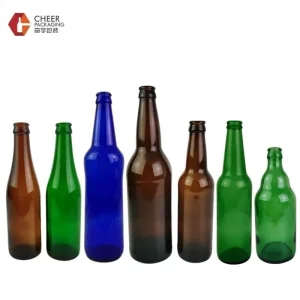
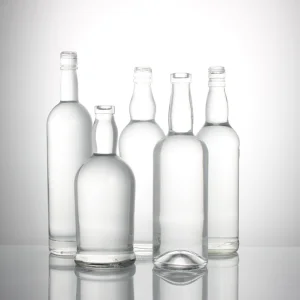
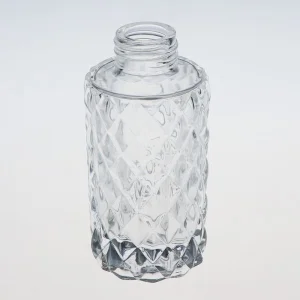
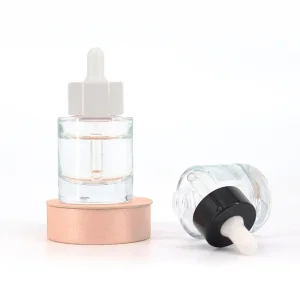
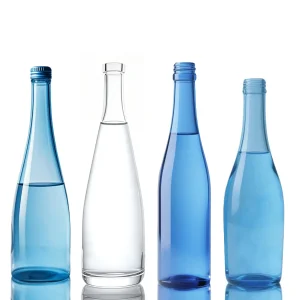
Featured Industrial & Custom Glass Containers for Global Supply Chains (Batch 1)
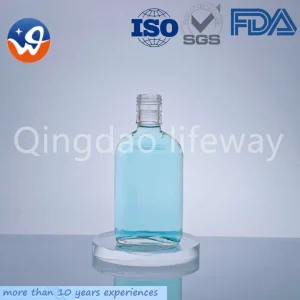
In modern commercial bottling, the choice of glass substrate dictates product integrity, shelf stability, and safety. Borosilicate glass stands at the pinnacle of material science. Formulated with significant quantities of silica (SiO2) and boron trioxide (B2O3), it offers a structural robustness that far outclasses standard soda-lime silicate formulations.
As a leading force in high-grade packaging supply chains, Dongguan Swapora Bottle Co., Ltd. (est. 2022) has pioneered the deployment of premium glass solutions. Emerging from a targeted domestic processing facility, Swapora has scaled to meet international demands for thermal shock resistance and low hydrolytic extraction rates. Operating from our industrial base in Guangdong Province, we bridge the gap between premium material science and cost-optimized supply.
"Not all glass is created equal. Type I Borosilicate offers a coefficient of thermal expansion of approximately 3.3 x 10^-6 K^-1, establishing the gold standard for thermal shock resilience and chemical inertness."

Reliability measured through scale, state-of-the-art facilities, and international compliance.
An in-depth look at Borosilicate Glass vs. Standard Packaging Materials
For global procurement teams, purchasing glass containers involves evaluating physical durability against lifecycle cost. Borosilicate glass containers excel in environments requiring sterilization (autoclaving), hot-fill processing, or long-term preservation of volatile organic formulations. Below is a comparative index of mechanical and chemical properties between Borosilicate and Standard Glass:
| Physical Property | Type I Borosilicate Glass | Standard Soda-Lime Glass | Industrial Utility Advantage |
|---|---|---|---|
| Coefficient of Thermal Expansion | 3.3 x 10^-6 K^-1 | 9.0 x 10^-6 K^-1 | Allows rapid temperature changes up to 150°C without risk of fracture. |
| Hydrolytic Resistance | Class HGB1 (High) | Class HGB3 (Moderate) | Virtually zero chemical leaching; preserves pure spirits and active cosmetics. |
| Density & Weight | Lightweight (~2.23 g/cm³) | Standard (~2.52 g/cm³) | Reduces shipping carbon footprints; ideal for NNPB bottle production. |
| Mechanical Strength | Excellent (high scratch resistance) | Standard (susceptible to micro-fractures) | Reduces transit breakage and production-line failure rates. |
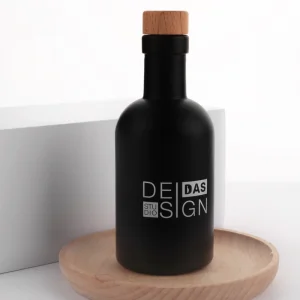
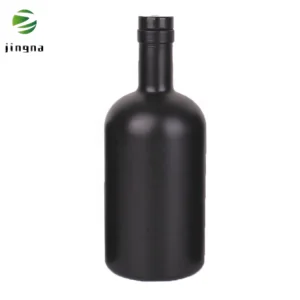
China has emerged as the premier manufacturing hub for high-precision borosilicate glass due to concentrated logistics clusters and raw material access. Our facility in Guangdong integrates glass melting, precision blowing, and deep processing. Deep processing allows us to apply matte black coatings, customized embossing, and complex high-flint formulas to the glass surfaces.
By consolidating warehousing, logistics, and production within a single 10,000-square-meter facility, Swapora minimizes internal transit damage, reduces lead times, and maintains strict quality oversight. In addition, our manufacturing processes utilize NNPB (Narrow Neck Press and Blow) technology, achieving lightweight bottle profiles without compromising tensile strength.
How top-tier brands leverage Swapora glass design across key market verticals
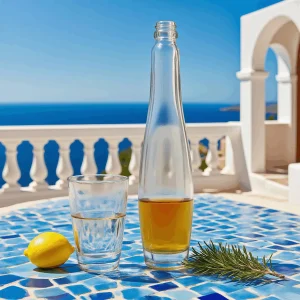
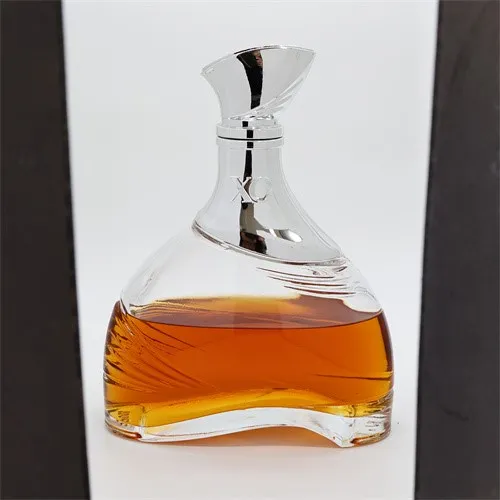
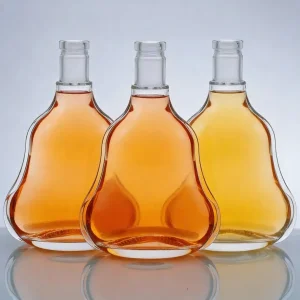
Extra-flint transparency, thick-base geometries, and custom cork designs elevate brand value for high-end Vodka, Tequila, Gin, and Whiskey. Ideal for luxury spirits packaging requiring structural clarity and mechanical strength.
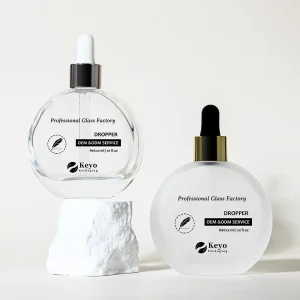
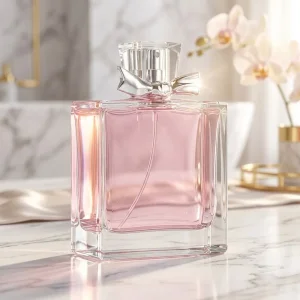
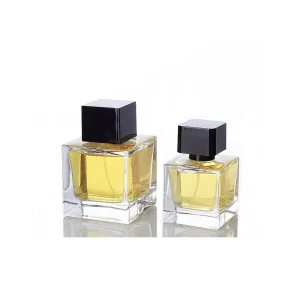
Precision oblate droppers, custom colored coatings, and thick-bottomed glass designs. Chemical resistance prevents breakdown from high-concentration active serums, premium perfumes, and light-sensitive oils.
Water-tight packaging, embossing, and thermal integrity for premium sparkling mineral water, sodas, and ambient reed diffusers. Engineered for carbonation pressure and industrial filling-line durability.
When vetting a Chinese borosilicate glass supplier, search quality and sourcing standards require careful inspection of production workflows. Ensure your selected manufacturer provides the following verification criteria to guarantee E-E-A-T (Experience, Expertise, Authoritativeness, and Trustworthiness):
Verify the facility operates under a 6S management framework or has ISO 9001 certification. Glass bottles destined for food, spirit, or pharmaceutical formulations must comply with FDA, SGS, and REACH standards to prevent chemical leaching during ocean transport.
Request certified laboratory logs detailing thermal endurance. Top-tier borosilicate glass must withstand temperature differentials of 120°C to 150°C without mechanical failure. Dimensions should adhere to tight tolerances (typically +/- 0.5mm on outer diameters).
Technical & Commercial Inquiries Regarding Borosilicate Glass Bottling Solutions
Featured Industrial & Custom Glass Containers for Global Supply Chains (Batch 2)
 Swapora Bottle