Explore our flagship precision-molded opaque, frosted, and high-flint container series, optimized for luxury spirits, fine fragrance, and botanical formulations requiring zero UV degradation.

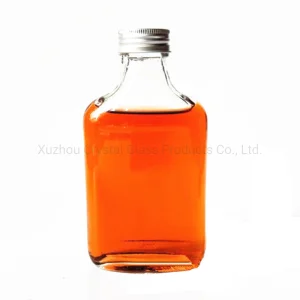
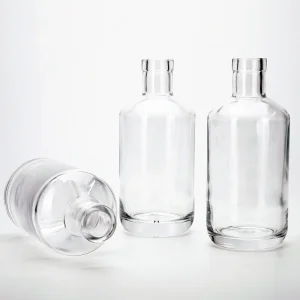
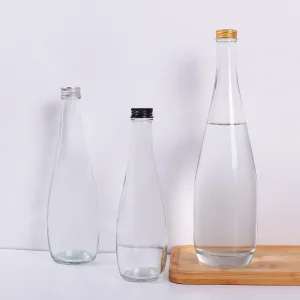
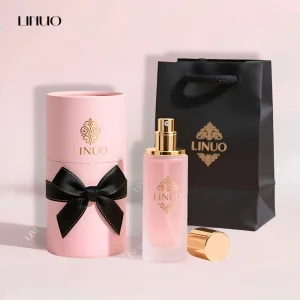
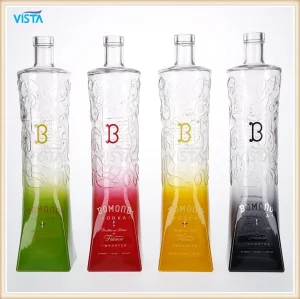
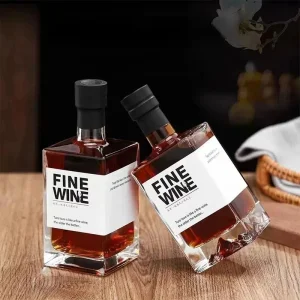
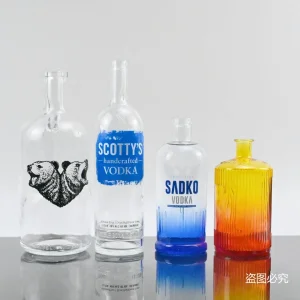
In the contemporary landscape of global packaging design and biochemical conservation, opaque glass bottles have transitioned from a luxury aesthetic choice to a critical functional requirement. As global brand owners, master distillers, cosmetic chemists, and pharmaceutical procurement directors face escalating demands for extended shelf life, pristine product integrity, and distinctive retail presence, clear soda-lime packaging is increasingly scrutinized for its optical vulnerabilities.
Light-induced degradation, specifically photolytic oxidation caused by ultraviolet (UV-A, UV-B) and high-energy visible (HEV) blue light spectrums (ranging between 200 nm to 480 nm), poses a severe threat to delicate molecular compounds. Essential oils, terpene profiles in craft spirits, active cosmetic ingredients such as L-ascorbic acid and retinol, and sensitive liquid formulations undergo photo-degradation when exposed to ambient retail lighting. The structural engineering of opaque glass containers solves this fundamental vulnerability by establishing an absolute photon barrier, neutralizing light-driven chemical deterioration.
Furthermore, China's advanced glass manufacturing hubs—specifically concentrated in industrial epicenters like Guangdong—have undergone an Industry 4.0 revolution. By combining high-purity raw mineral silica, automated electric-boost melting furnaces, robotic ceramic spray enamel technologies, and real-time optoelectronic cold-end inspection, Chinese factories are now recognized as the global benchmark for high-barrier, sustainable, and cost-optimized opaque glass container manufacturing.
To evaluate China’s best opaque glass bottle suppliers, global procurement executives must understand the core chemical and physical methodologies utilized to achieve opacity. The transition from translucent to true high-density opaque glass is achieved through two primary manufacturing pathways: Intrinsic Fluorosilicate/Titanium Opacification (Opal Glass) and Extrinsic Surface-Coated Hydro-Ceramic Polymer Enameling.
Formulated by introducing fluorides (such as cryolite or fluorspar) and bone ash (calcium phosphate) into the silicate batch. During controlled cooling, micro-crystallites precipitate within the vitreous matrix. These micro-crystals disperse incoming light rays via Mie scattering, rendering the glass entirely opaque from core to surface with zero optical permeability.
Consists of applying a high-durability inorganic mineral coating onto a super-flint glass substrate, followed by thermal curing at 600°C to 680°C. The ceramic frit fuses directly into the ionic lattice of the glass outer wall, providing high scratch resistance, chemical imperviousness to ethanol and isopropyl solvents, and complete opacity.
Utilized for vibrant custom Pantone matching and matte black, soft-touch satin textures. Applied via dual-axis robotic spray heads inside cleanroom environments, UV-cured polymers provide modern tactile luxury while maintaining 100% UV protection for luxury skincare and perfume bottles.
| Glass Substrate Type | UV Light Transmission (200-400nm) | Thermal Shock Resistance (ΔT) | Surface Hardness (Mohs Scale) | Primary Industrial Application |
|---|---|---|---|---|
| Super-Flint (Clear) | 82% - 89% (High Vulnerability) | 42°C - 50°C | 6.5 | Standard Vodka, Clear Water, Spirits |
| Amber Glass | 5% - 10% (Moderate Barrier) | 60°C - 75°C | 6.0 | Pharmaceuticals, Beer, Tinctures |
| Frosted / Satin Glass | 35% - 50% (Partial Barrier) | 50°C - 60°C | 5.5 | Mid-tier Cosmetics, Premium Gin |
| Engineered Opaque (Black/White Ceramic) | 0.00% (Absolute Barrier) | 85°C - 110°C | 7.0 | Luxury Fragrance, Active Skincare, Ultra-Premium Spirits |
The global container glass industry has experienced significant volatility due to skyrocketing energy prices and supply disruptions across Western Europe and North America. In contrast, Chinese opaque glass bottle manufacturers have cemented their role as the world's primary growth engine by executing a structural shift toward Industry 4.0 smart factory ecosystems.
Leading Chinese foundries have replaced legacy coal and gas-fired furnaces with hybrid electric-boost oxy-fuel melting systems. This technical evolution ensures homogeneous thermal distribution at 1,550°C, reducing micro-bubble formation (seeds and blisters) in dense opaque formulations while lowering carbon emissions per ton of melted glass by up to 35%.
By employing fully automated, servo-controlled IS double-gob and triple-gob molding machinery, Chinese factories achieve razor-thin wall weight distribution tolerances (+/- 0.5 grams). This eliminates structural thermal stress fractures and ensures perfect neck finish concentricity for high-speed automatic bottling lines.
Every single bottle exiting the annealing lehr passes through high-resolution multi-camera optical inspection systems. Artificial intelligence algorithms scan for micro-cracks, dimensional deviations, neck-bore ovality, and coating uniformity at processing speeds of up to 400 bottles per minute, guaranteeing defect rates well below 50 PPA (Parts Per Million).
From raw quartz sand purification to custom mold casting, electroplating, hot-foil decal stamping, and magnetic closure assembly, Guangdong's packaging clusters provide an uninterrupted, end-to-end ecosystem. This geographic concentration reduces lead times for custom mold prototyping from months to under 14 days.
Demonstrating the pinnacle of modern Chinese glass manufacturing, Dongguan Swapora Bottle Co., Ltd. (established in 2022) originated from a vision to bring world-class Chinese glass products to the global market. Starting as a specialized processing facility, the company has rapidly scaled into a premier international manufacturing force through unyielding commitment to engineering precision and design innovation.
Located within a state-of-the-art industrial park in Guangdong Province, Swapora's production infrastructure spans a total footprint of 10,000 square meters, featuring over 6,000 square meters of modern standard factory space. The facility integrates glass melting, deep technical surface processing, climate-controlled warehousing, and automated global logistics into a seamless operational continuum.

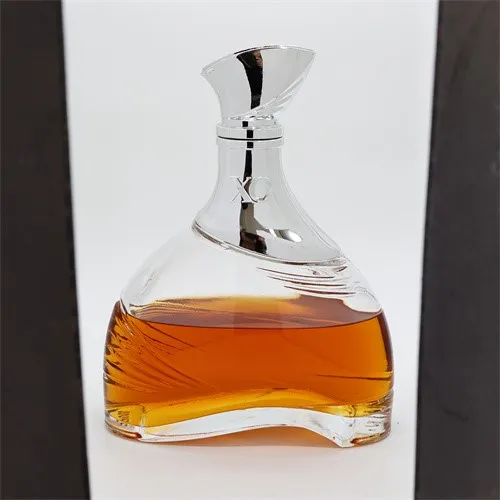
The facility is scientifically planned, immaculate, and equipped with advanced environmental protection filtration units, reflecting a firm green manufacturing philosophy. Production workshops operate strictly under the 6S management system (Sort, Set in Order, Shine, Standardize, Sustain, Safety), providing an ultra-clean, controlled environment necessary for error-free hot-stamping, acid-etch frosting, metalized plating, and high-precision sprayer neck assembly.
The requirement for opaque glass bottles spans across diverse high-value global sectors. As market trends favor minimalist, ultra-sleek, and sustainable aesthetics, opaque glass has become the gold standard across three core industries:
Tequila Añejo, Mezcal, Small-Batch Gin, and Cask Whiskey brands leverage heavy-base opaque black, matte white, and custom decaled bottles. Beyond shelf differentiation, opacity prevents UV light from breaking down delicate aromatic esters and terpene profiles extracted during wooden barrel aging.
Luxury niche perfume houses and cosmeceutical brands demand 100% light opacity to shield unstable active ingredients (e.g., Vitamin C, Retinol, Botanical Essential Oils) from photoxidation. Precision-molded square and cylindrical opaque bottles preserve fragrance top notes over multi-year shelf spans.
Modern pharmaceutical, holistic wellness, and premium reed diffuser oil brands utilize opaque frosted and solid porcelain-feel glass to establish a clinical, high-trust identity while providing total protection against thermal ambient ambient light fluctuations.
Discover our specialized series of custom-shaped, frosted, colored, and heavy-duty liquor and fragrance containers tailored for private label manufacturing.
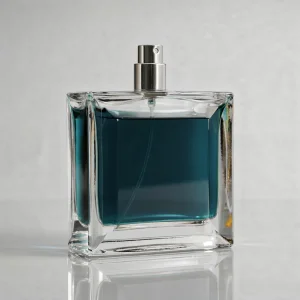
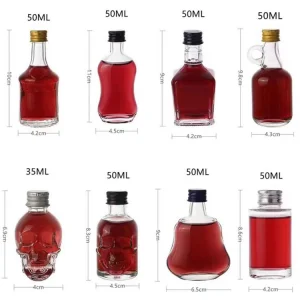
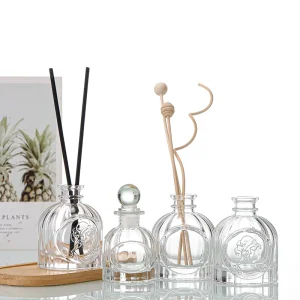
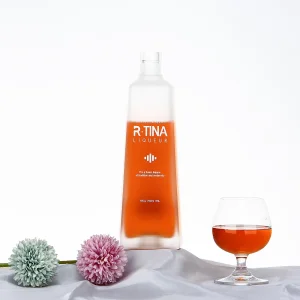
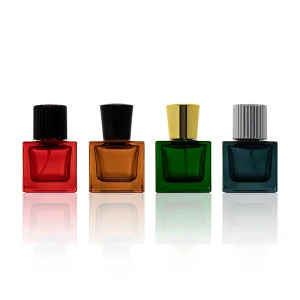
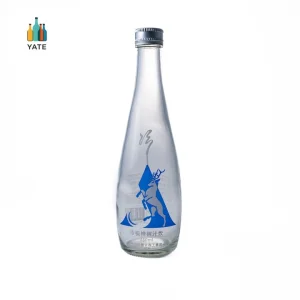
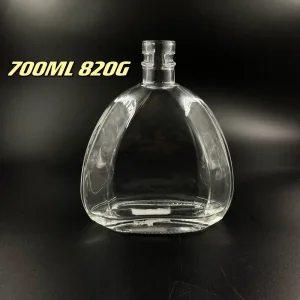
When selecting a supplier for wholesale opaque glass bottles in China, corporate procurement officers must conduct strict technical audits. Below is the multi-stage quality verification framework recommended for enterprise buyer compliance:
Verify hydrolytic resistance (USP Type III or Type I Borosilicate standards). Ensure the internal container surface exhibits zero heavy metal leaching (Lead & Cadmium free, compliance with FDA 21 CFR 175.300 and EU Regulation No. 10/2011).
Execute cross-hatch tape adhesion testing (ASTM D3359 Method B), 48-hour continuous alcohol immersion (99.5% ethanol solution), and automated dishwashing thermal shock cycles to guarantee coating stability during commercial line washing.
Conduct automated pressure-decay leak testing across custom closures—including magnetic fragrance caps, synthetic t-corks, and GPI/ROPP aluminum screw finishes—ensuring hermetic seals under varying transport pressures.
Clear answers to critical procurement, engineering, and manufacturing questions regarding opaque glass container sourcing from China.
 Swapora Bottle