Explore our top-tier wholesale spirits, cosmetic, and specialty beverage glass bottles engineered for aesthetic appeal and industrial performance.
Understanding optical purity, structural performance, and supply chain continuity in the premium spirit industry.
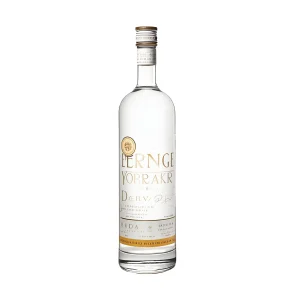
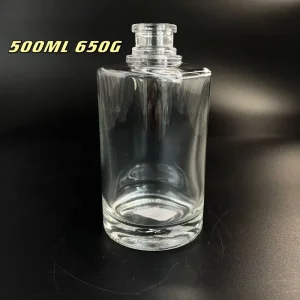
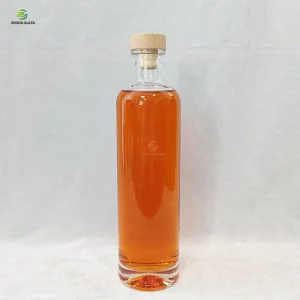
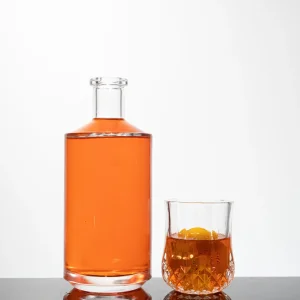
In the highly competitive global spirits industry, the container is not merely a vessel; it is a critical component of brand value, consumer perception, and product integrity. The demand for wholesale clear spirit jars and extra flint glass bottles has witnessed significant structural growth. Premium brands of vodka, gin, whiskey, rum, and tequila increasingly rely on ultra-clear glass configurations to showcase the natural clarity, viscosity, and brilliance of their distillates.
As a leading supplier in China's advanced glass manufacturing hub, Dongguan Swapora Bottle Co., Ltd. leverages state-of-the-art melting furnace controls and raw material refinement techniques to eliminate the typical green or yellow tint common in lower-grade glass. The technical definition of "Extra Flint" or "Super Flint" glass lies in the controlled utilization of high-grade silica sand (SiO2) containing extremely low concentrations of iron oxide (Fe2O3), typically restricted to less than 0.015%. This specific chemical profile yields unmatched transparency and light refraction.
From a logistics and commercial packaging perspective, procuring bulk spirit glass containers from China offers distinct supply chain advantages. Our integration of vertical melting processes, automated IS (Individual Section) forming machine lines, and rigorous annealing lehrs guarantees high dimensional precision and mechanical stress resistance. For global distilleries, this translates to faster line speeds during bottling, significantly reduced breakages, and consistent closures performance.
This whitepaper explores the technological paradigms, manufacturing advantages, macro supply-chain solutions, and compliance matrices defining high-flint spirit jar procurement, helping purchasing directors make informed, cost-effective decisions without sacrificing quality.
Established in 2022, Dongguan Swapora Bottle Co., Ltd. originated from a vision to bridge the gap between advanced Chinese glass engineering and global premium brands. Initially serving as a specialized processing unit for demanding domestic spirit labels, we have scaled our production infrastructure to support large-scale international exports.
Our centralized manufacturing base is situated within a high-capacity industrial park in Guangdong Province. Spanning a total footprint of 10,000 square meters, the site hosts 6,000 square meters of modern standard factory space designed specifically for heavy-duty glassware manufacturing.
We operate an integrated facility linking raw material processing, high-temperature glass melting, automatic bottle forming, post-processing decoration (including screen printing, electroplating, and frosting), warehousing, and direct container logistics. By conducting all operations in-house, we eliminate intermediate supply chain delays and enforce strict quality boundaries at every milestone.

Production Base Area
Modern Standard Factory
Max Iron Oxide (Fe2O3) in Flint
Operational Quality System
Why procurement teams from Europe, North America, and Australia prioritize Chinese glass manufacturing clusters.
China's rich quartz deposits and state-of-the-art sand washing and purification systems yield high-purity silica. Through mechanical flotation, magnetic separation, and acid treatment, trace transition metals are eliminated, ensuring the high-refractive glass structure demanded by global liquor houses.
By leveraging natural gas-fired regenerative furnaces and highly automated packaging systems, we achieve exceptional production throughput. This scaling advantage enables us to deliver competitive price points on bulk custom molds, lowering initial tooling investments for growth spirits brands.
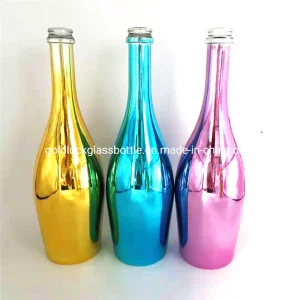
Beyond traditional glass blowing, Guangdong's manufacturing cluster excels in advanced finishing techniques: high-temperature organic screen printing, physical vapor deposition (PVD) metallization, precision electrostatic spraying, acid etching, and complex decal applications.
Adapting container design to modern consumer demand, structural optimization, and environmental metrics.
The global glass industry is transitioning from traditional blow-and-blow processes to Narrow Neck Press and Blow (NNPB) technology. Lightweighting reduces glass weight by 10% to 25% while maintaining the container's structural strength and impact resistance. This translates to lower carbon footprints during raw material processing and shipping, matching the sustainability mandates of multinational beverage corporations.
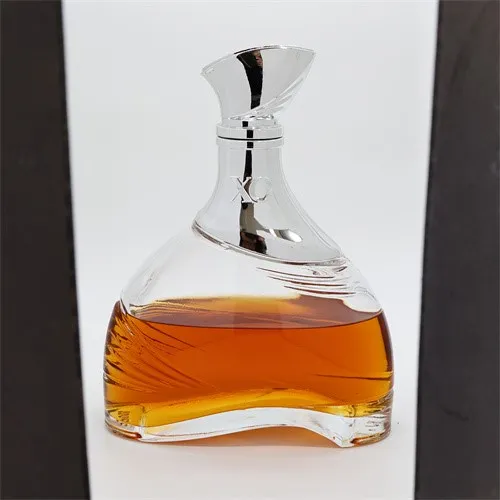
In crowded retail spaces, shelf presence is critical. Distilleries are moving away from standard cylindrical models toward geometrically challenging, heavy-based decanters and custom clear spirit jars with embossed elements. Clear glass with textured details creates tactile interactions with consumers, increasing the perceived value of the product.
Incorporating high-quality clear cullet (recycled glass) into the batch mixture is a growing trend. While maintaining ultra-clear transparency presents a challenge when using recycled glass, advanced optical sorting technologies enable suppliers to blend clean, color-sorted clear cullet. This reduces energy consumption at the melting furnace, helping distilleries meet strict ESG targets.
Counterfeiting remains a major challenge in the spirits market. Modern container designs integrate anti-counterfeit features, including custom-embossed logos, unique QR codes printed on tamper-evident labels, and physical neck locks designed for single-use caps. Specially shaped bottle finishes also prevent refilling, securing product integrity from bottling line to consumer.
At Dongguan Swapora Bottle Co., Ltd., we recognize that the quality of high-end spirits packaging depends on consistent raw materials and strict production standards. Our facilities operate under a rigorous 6S management framework (Seiri, Seiton, Seiso, Seiketsu, Shitsuke, Shukan), creating a highly organized, dust-free manufacturing environment.
Our melting furnace systems are monitored 24/7 by thermodynamic sensors, maintaining exact temperatures to prevent structural inconsistencies or seeds (microscopic air bubbles) in the glass.
Following the forming stage, the bottles pass through automatic inspection lanes equipped with high-resolution cameras. These systems detect and reject defects such as checks, split finishes, stones, or out-of-spec dimensions, ensuring only flawless products reach the packaging lines.
How we support international procurement teams with comprehensive quality assurance and cross-border regulatory compliance.
All clear spirit jars and glass bottles produced by Swapora are tested and certified lead-free, cadmium-free, and fully compliant with US FDA and European LFGB food-contact regulations, ensuring complete safety for direct spirit containment.
Our packaging undergoes thermal shock testing (withstanding differences of >42°C) and vertical load tests. This structural resilience guarantees that bottles remain intact during automated hot filling, pasteurization, and stacking.
To prevent scuffing and breakage during maritime transit, we offer customized packaging solutions: heavy-duty corrugated cartons with cell dividers, thermo-shrink wrapped pallets, or custom wooden crates designed for maximum stability.
Tailored glass packaging solutions for diverse product categories and market segments.
For craft gin, vodka, and single-malt whiskey producers, brand differentiation is key. We offer small-batch flexibility, custom mold creations, and post-processing decorations that help craft brands capture shelf attention and stand out from mass-market labels.
Mass-production distilleries require reliable consistency, high mechanical durability, and strict dimensional tolerances for automated filling and capping lines. Our automated production processes meet these demands, ensuring seamless integration on the factory floor.
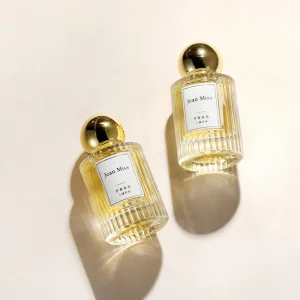
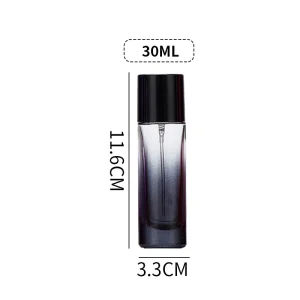
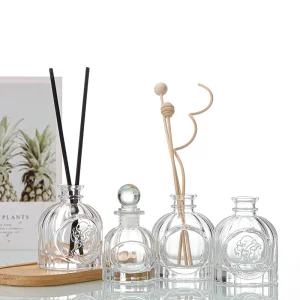
Premium glass design is critical for high-end cosmetics, perfume sprays, and reed diffusers. Our thick-base formulations and precise glass finishes protect light-sensitive ingredients, providing excellent durability and a premium aesthetic.
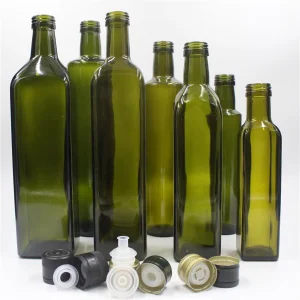
Cold-pressed olive oils, gourmet vinegars, and artisanal sauces require inert, food-grade packaging. Our square and round glass designs prevent oxidation, maintain flavor profiles, and showcase the product's natural color and quality.
Detailed insights on glass compositions, customization options, shipping logisitics, and sourcing procedures.
Standard flint glass typically contains minor impurities, particularly iron oxide (Fe2O3), which produces a faint green or blue tint visible in thicker sections of the container. Extra flint glass is produced using high-purity quartz sand and a controlled formula that limits Fe2O3 content to below 0.015%. Additionally, cobalt oxide or selenium may be added as physical decoloring agents to neutralize yellow-green wavelengths, creating high optical clarity and refraction.
Custom projects begin with 3D CAD modeling and rendering, which takes 3 to 5 business days. Once the digital design is approved, physical trial molds are produced to generate sample bottles, typically taking 15 to 20 days. After these samples are tested and approved, full-scale production molds are manufactured, which takes another 20 days. Mass production is then scheduled, with typical run times ranging from 25 to 40 days, depending on batch sizes and finishing requirements.
We implement several packaging protocols based on container shapes and weight profiles. Standard packing uses heavy-duty, double-walled corrugated boxes with internal cell dividers. For automated bottling lines, we package products on heavy-duty, heat-treated wooden pallets using plastic interlayer sheets, corner boards, and multiple layers of stretch film. This configuration prevents movement and scuffing, ensuring safe transit during sea shipment.
Our Guangdong facility is fully equipped for post-forming processes. We offer high-precision, multi-color screen printing with organic or inorganic inks, acid frosting for satin-smooth finishes, hot foil stamping, thermal decal transfers, electroplating for metallic surfaces, and internal/external organic spraying. By integrating these processes in-house, we maintain strict quality control and reduce overall production timelines.
For standard, in-stock glass bottles, the MOQ starts at 5,000 to 10,000 units. For custom-designed shapes or specific bottle runs, the MOQ typically ranges from 20,000 to 30,000 units. This requirement is determined by the raw material volume needed to run our continuous automated glass furnaces, ensuring consistent quality and thermal stability throughout the production cycle.
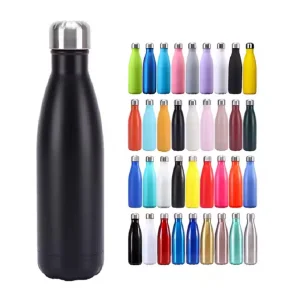
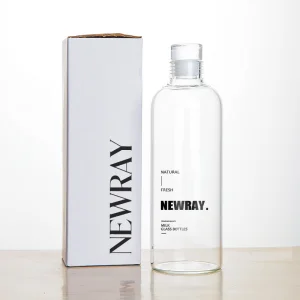
Explore our comprehensive catalog of specialized glass packaging and steel sports bottles for diverse markets.
 Swapora Bottle