Explore our premium grade primary containment glass vessels tailored for high-volume commercial bottling lines, specialized logistics, and luxury cosmetic branding.
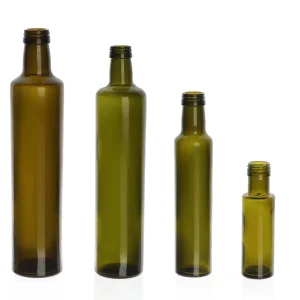
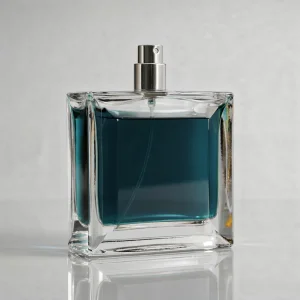
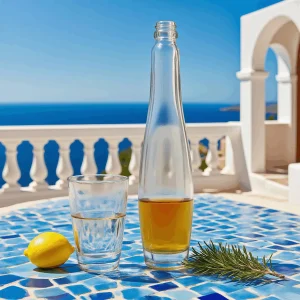
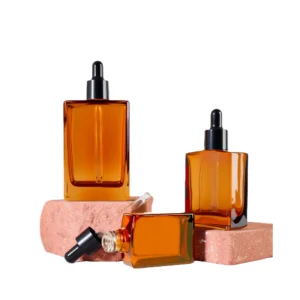
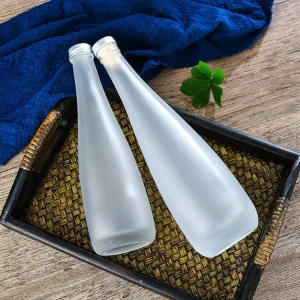
Pioneering high-grade glass container manufacturing to meet stringent global standards and delivery parameters.

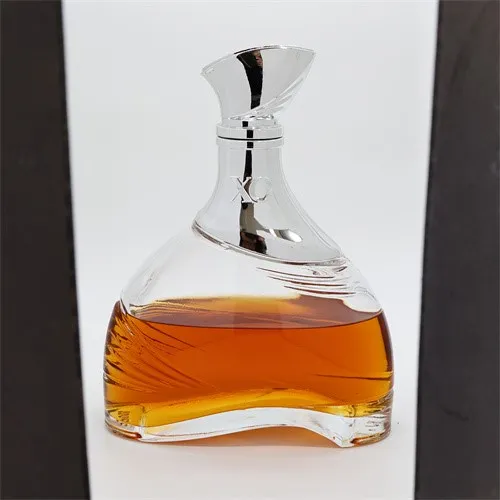
Dongguan Swapora Bottle Co., Ltd. established in 2022, originated from a dream of bringing high-quality Chinese glass products to the global market. Starting as a small processing plant focused on the domestic market, we have gradually grown and expanded through our dedication to quality and pursuit of innovation.
Our production base is located in an industrial park in Guangdong Province, covering a total area of 10,000 square meters, with over 6,000 square meters of modern standard factory buildings. The factory integrates glass melting, deep processing, warehousing, and logistics, ensuring efficient and continuous production processes.
The factory area is scientifically planned, clean, and equipped with advanced environmental protection systems, reflecting our green manufacturing philosophy. Our production workshops strictly adhere to the 6S management system, providing a clean and orderly environment for the precision manufacturing of every piece of glass. Through rigorous control and optimized processing pathways, we turn raw sand and cullet into high-performance packaging components trusted by global enterprises.
Analyzing key structural transformations impacting material science, procurement models, and ecological frameworks within the packaging sector.
Global logistics cost optimization is forcing container manufacturers to transition from standard blow-and-blow processes to Narrow Neck Press and Blow (NNPB). This dramatically reduces container weight (up to 25%) while maintaining robust mechanical performance and internal pressure resistance, minimizing fuel consumption during maritime and overland transport.
Decarbonization target mandates from multi-national food, beverage, and pharmaceutical enterprises require suppliers to utilize higher percentages of post-consumer recycling (PCR) cullet. Using cullet reduces furnace operational temperatures, yielding lower carbon output per container and meeting Scope 3 greenhouse gas reduction metrics.
With tightening FDA, EU, and LFGB regulations, glass is increasingly preferred over plastics due to its absolute chemical neutrality. Type III soda-lime and Type I borosilicate formulations prevent the leaching of microplastics, heavy metals, or endocrine disruptors, preserving product purity over multi-year shelf lives.
How we align state-of-the-art engineering with cross-border logistics to overcome systemic supply bottlenecks.
Global brands cannot afford assembly stoppage due to late container shipments. A single day of downtime on an automated bottling line can cost hundreds of thousands of dollars. Local supply chains are often vulnerable to fuel price surges and regional industrial disputes.
The Swapora Solution: We leverage a strategic logistics cluster in Guangdong Province, offering direct maritime corridor routing from Guangzhou or Shenzhen ports. By integrating raw material sourcing, automated mold processing, and container production on-site, we guarantee consistent production cadences and offer structured buffer-stock programs for long-term contract partners.
Modern high-speed filling lines operate at speeds of up to 60,000 bottles per hour. Micro-fissures, dimensional deviations, or bubbles can lead to catastrophic container failures under pressure, presenting safety hazards and line shutdown.
The Swapora Solution: Our factory deploys automated optoelectronic Inspection Systems (AIS) on cold-end processes. Micro-cameras and laser measurement rigs scan every single bottle for dimensional accuracy, wall thickness variations, internal pressure resistance, and physical blemishes, rejecting defective units before they leave the annealing line.
To capture premium markets, cosmetics and luxury spirits brands require bespoke shapes, precise finishes, and intricate decorations. However, custom mold tooling costs and long design iteration loops present substantial capital barriers.
The Swapora Solution: We provide 3D CAD modeling, virtual rendering, and rapid prototyping services (plastic or resin 3D mock-ups) within 48 to 72 hours. Our internal CNC machining shop develops pilot molds quickly, allowing brand developers to test physical configurations, compatibility with closures, and filling line performance before committing to massive multi-cavity production tooling.
Swapora's strategic progression toward carbon neutrality, intelligent production, and absolute compliance.
Expansion of inline decorating capabilities, including heavy-metal-free organic screen printing, multi-color electrostatic powder coating, hot stamping, vacuum metallization, and internal/external frosting. This enables cosmetic and premium liquor manufacturers to source finished packaging directly, shortening supply chains and minimizing transit damage risks.
Upgrading melting operations with electric boosting systems, displacing fossil-fuel-reliant thermal energy with low-carbon electricity. This transition aims to reduce baseline CO2 emissions per ton of melted glass by up to 20% by the end of 2026, aligning directly with international ESG and corporate sustainability mandates.
Implementation of individual bottle micro-laser engraving and high-temp-resistant QR code etching. This gives pharmaceutical and luxury brand clients full batch traceability, helping to prevent counterfeiting and streamline warehouse logistics management across the global supply chain.
Simplifying international trade through adherence to safety certifications, quality verification protocols, and customs compliance.
We ensure that all industrial glass packaging containers meet critical safety metrics for food and beverage contact. Glass materials are tested to comply with FDA regulations, EU 1935/2004, and local health standards, safeguarding against chemical leaching.
To minimize breakage during container transport, we use custom packaging configurations. We utilize heavy-duty corrugated separators, fumigated heat-treated wooden pallets, and moisture-controlled PE shrink wrapping, designed for high-stress ocean freight.
Through our export division, we handle all necessary customs documentation, bills of lading, phytosanitary checks, certificate of origin filings, and HS code classification, ensuring smooth port entry and minimal transit delays.
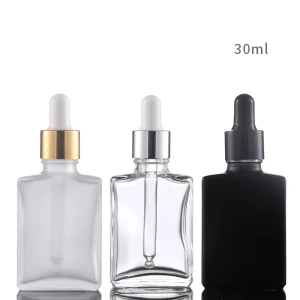
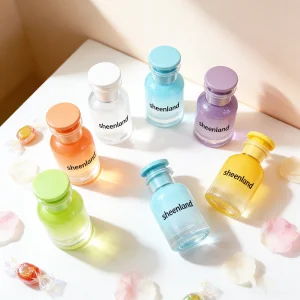
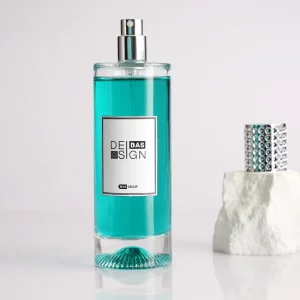
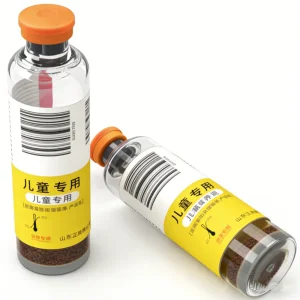
Premium customized storage glass and specialized containers designed for cosmetics, pharmaceuticals, and distilled spirits.
Get answers to key technical, logistical, and design questions related to custom glass container production.
For custom bottle shapes, the process begins with 3D design generation and mold tool engineering (approx. 2-3 weeks), followed by sample production. Once the sample is approved, high-volume production typically takes 30-45 days, depending on furnace availability and batch size.
We use a multi-tier inspection approach. Real-time sensor networks monitor the glass melting parameters. At the cold end, automated optical inspection machines check dimensions, neck finish integrity, wall distribution, and thermal stress tolerances, ensuring all shipped units meet industry standards.
Our facilities support a wide range of surface modifications, including frosting, custom embossing, silk-screen printing (using food-grade inks), electrostatic spraying, hot foil stamping, and specialized color coatings, allowing for high-end cosmetic and liquor packaging customization.
Glass offers excellent chemical resistance and is virtually inert. It does not degrade, leak phthalates, or leach microplastics into the contents. This makes it ideal for highly acidic beverages, volatile organic oils, premium spirits, and pharmaceutical-grade mixtures that require long-term stability.
Yes, we provide complete packaging solutions. Our engineering team designs and sources matched closures, including tamper-evident caps, dropper pipettes, mist pumps, and corks, ensuring secure fitment and seal integrity during filling operations.
 Swapora Bottle