Explore our engineering options featuring high transparency, structural integrity, and customized surface decorations.
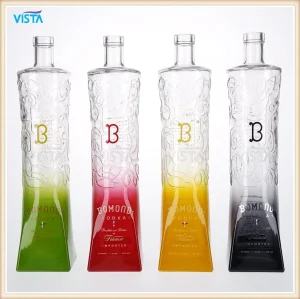
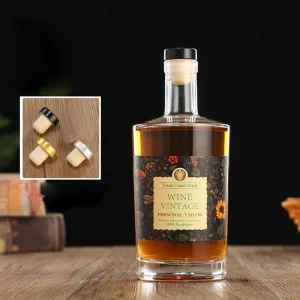
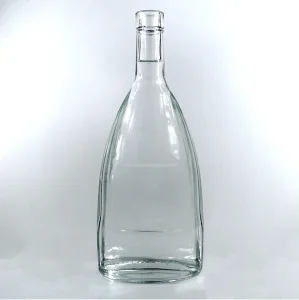
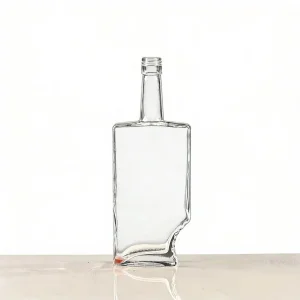

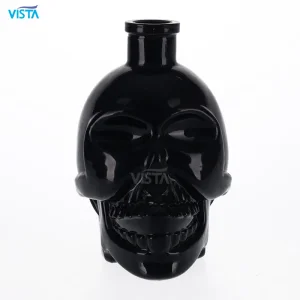
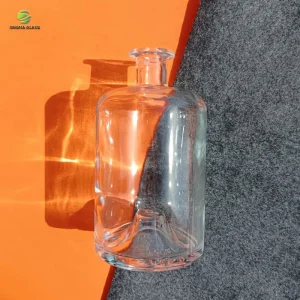
Soda-lime silicate glass is the historical and technological backbone of the modern commercial container industry, accounting for over 95% of manufactured glass worldwide. Composed of approximately 70-75% silica (SiO2), 12-15% soda (sodium carbonate, Na2CO3), and 8-10% lime (calcium oxide, CaO), its popularity stems from chemical neutrality, physical recyclability, and production scalability. For international procurement managers, understanding these material properties is crucial for establishing baseline specifications for high-performance bottling applications.
From an engineering perspective, soda-lime glass offers exceptional barrier characteristics. It is chemically inert and completely impermeable to oxygen, moisture, and carbon dioxide. This preserves the organoleptic properties (taste, aroma, and color) of high-value spirits, carbonated spring waters, and chemical solutions. Additionally, soda-lime containers are resilient against hydrolytic degradation, falling under Class HGB3 according to ISO 720 standards, which guarantees safety and long shelf-life in food, beverage, and cosmetic applications.
| Material Property | Soda-Lime Glass (Standard) | Borosilicate Glass | Impact on Procurement & Application |
|---|---|---|---|
| Silica Content (SiO2) | 70% – 75% | 80% – 81% | Soda-lime features lower melting temperatures, lowering carbon footprints and production costs. |
| Thermal Shock Resistance | ΔT = 40°C – 60°C | ΔT = 150°C | Standard soda-lime requires monitored pasteurization, but provides sufficient durability for retail beverages. |
| Hydrolytic Resistance | Class HGB3 (High) | Class HGB1 (Superior) | Soda-lime is highly stable and cost-efficient for spirits, soft drinks, and cosmetic oils. |
| Recyclability (Cullet capacity) | Up to 90% Cullet potential | Limited recyclability | Soda-lime facilitates circular economy goals through post-consumer glass integration. |
Global brand differentiation depends heavily on packaging form factors. Our OEM and ODM processes utilize state-of-the-art engineering tools and tooling techniques to convert initial design concepts into production-ready glass packaging. The workflow transitions seamlessly from initial CAD sketches to functional glass prototypes using automated forming processes.
We utilize Finite Element Method (FEM) analysis to simulate stress distribution under top load, thermal shock, and internal pressures, ensuring structural stability before molds are cast.
Before committing to multi-cavity steel production molds, we produce acrylic mockups and single-cavity sample molds for physical validation of weight, capacity, and fill-line accuracy.
We offer advanced processing options including chemical frosting, electrostatic spray coating, high-durability screen printing, foil hot stamping, and custom laser etching.
Dongguan Swapora Bottle Co., Ltd. established in 2022, originated from a dream of bringing high-quality Chinese glass products to the global market. Starting as a small processing plant focused on the domestic market, we have gradually grown and expanded through our dedication to quality and pursuit of innovation.

Our production base is located in an industrial park in Guangdong Province, covering a total area of 10,000 square meters, with over 6,000 square meters of modern standard factory buildings. The factory integrates glass melting, deep processing, warehousing, and logistics, ensuring efficient and continuous production processes. The factory area is scientifically planned, clean, and equipped with advanced environmental protection systems, reflecting our green manufacturing philosophy. Our production workshops strictly adhere to the 6S management system, providing a clean and orderly environment for the precision manufacturing of every piece of glass.
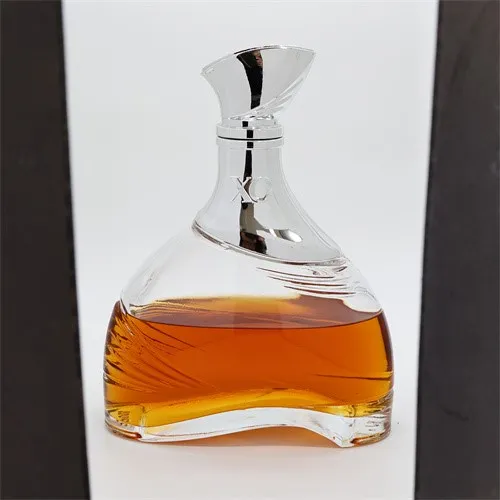
Dongguan Swapora's location in Guangdong Province provides access to one of the world's most integrated manufacturing ecosystems. Local access to high-purity silica sand, sodium carbonate, and specialty minerals reduces upstream logistical latency. Combined with neighboring deep-water shipping lanes in Shenzhen and Guangzhou, this enables efficient international freight routing. The regional presence of downstream partners—ranging from carton manufacturers to transport logistics providers—allows Swapora to maintain a reliable raw-material-to-on-deck export cycle.
Global logistics networks expose glassware to structural and environmental stresses. To prevent breakage and leakage, manufacturing practices must prioritize mechanical and chemical testing. From raw material sorting to final pallet wrapping, compliance with international standards is maintained across all production stages.
All production batches undergo chemical extraction and heavy metal testing. Our soda-lime containers comply with FDA 21 CFR 177.2440 (for food-contact containers), European Union Directive 94/62/EC (on packaging and packaging waste, ensuring heavy metal levels—specifically Lead, Cadmium, Mercury, and Hexavalent Chromium—are kept under 100 ppm), and Germany's LFGB food-safety standards. This makes them suitable for export to North America, the EU, and Asia-Pacific markets.
During automated filling, bottles must withstand significant pressure variations and mechanical impacts.
• Thermal Shock Resistance (ΔT): Standard testing protocols ensure that our glass containers withstand a temperature differential of ΔT ≥ 42°C without micro-fracturing.
• Pressure Thresholds: For carbonated mineral waters and pressurized sparkling beverages, we produce bottles with custom wall thickness distributions capable of resisting internal pressures exceeding 12 to 15 bars.
• Annealing Quality: Real-time polariscope inspections analyze residual stress levels, ensuring each run achieves an ASTM Apparent Temper Rating between Grade 1 and Grade 3.
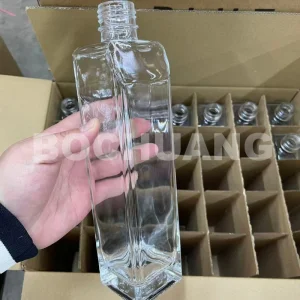
To secure cargo during international maritime transit, we offer customized bulk packing configurations. Bottles are packed with heavy-duty corrugated dividers, enclosed in plastic shrink-wrap, and secured to heat-treated IPPC-certified wooden pallets. For premium, pre-decorated glassware, we provide direct-to-retail individual boxing with custom partitions to minimize friction scuffing during long-distance shipping.
The global glass packaging market is driven by sustainability regulations and brand premiumization. As businesses transition away from single-use plastics, soda-lime glass remains a viable, infinitely recyclable alternative. Current developments point toward specific industrial trends:
Integrating high proportions of cullet (recycled glass) reduces melting temperatures and energy consumption, reducing carbon emissions per production batch. Combined with lightweighting design techniques, we minimize material use while preserving bottle strength.
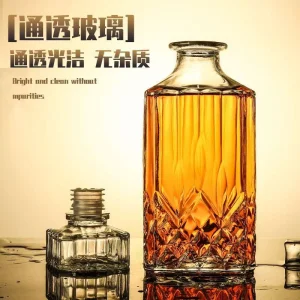
For premium spirits, gin, and vodkas, we minimize iron impurities in the raw material batch to achieve "Extra Flint" clarity. This level of transparency highlights the natural color of the product inside.
For regional water brands, craft breweries, and milk distributors, we engineer returnable glass bottles with thicker walls to survive multiple washing, sanitization, and refilling cycles.
Our manufacturing capabilities cover a variety of specialized markets:
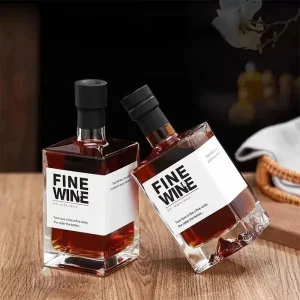
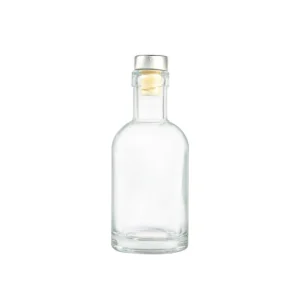
• Wines and Spirits: Custom whiskey bottles, gin bottles, and embossed rum decanters with cork or screw-cap finishes.
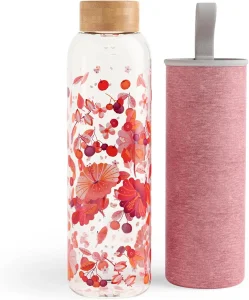
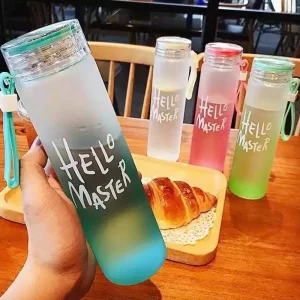
• Waters and Carbonated Drinks: High-pressure flint glass bottles designed for sparkling mineral water, cold-brewed coffees, and sodas.
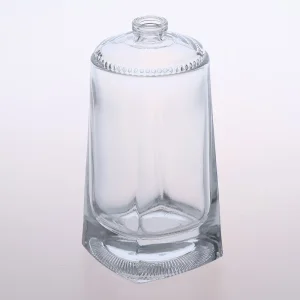
• Cosmetics, Fragrances, and Essential Oils: Square and flat spray bottles featuring thick, weighted bases that convey premium product positioning.
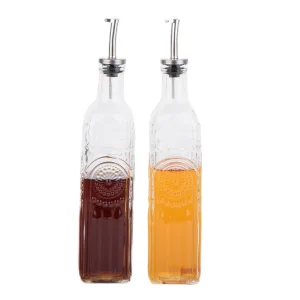
• Gourmet Foods: Custom oil, vinegar, and condiment jars with functional embossed patterns to improve handling grip.
Detailed technical answers to common queries from procurement directors and glass packaging engineers.
Browse our collection of structural geometries, tailored for personal care, spirits, and beverage applications.
 Swapora Bottle