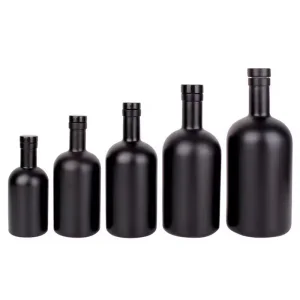
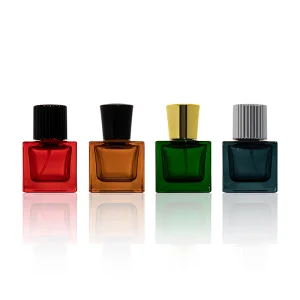
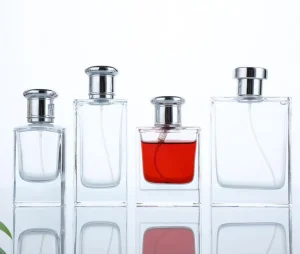
Premium colored glass containers designed to preserve essential oils, craft diffusers, and luxury fragrances under the African sun.
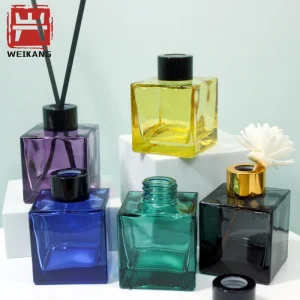
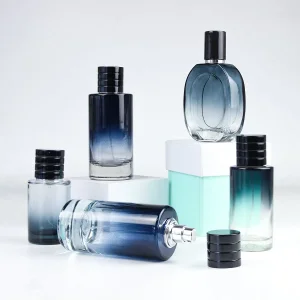
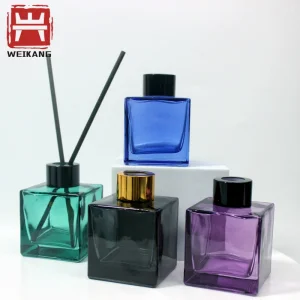
Namibia is experiencing a dynamic industrial shift. With a rapidly growing beverage sector (featuring award-winning lagers, distilled gin, and premium spirits) and a rising export economy based on indigenous natural oils (such as Marula oil, Kalahari Melon seed oil, and regional aromatherapy essences), the requirement for professional-grade packaging has skyrocketed.
However, local glass manufacturing remains limited by raw material availability and specific heavy industrial energy costs in Southern Africa. For Namibian businesses to stay globally competitive, sourcing high-durability, customizable, and ecologically sound glass containers from reliable international manufacturers is a strategic necessity.
Colored glass plays a crucial role beyond aesthetics: it acts as a functional filter against ultraviolet light, preserving the bio-active ingredients of Namibia's natural cosmetics and preventing photo-oxidation in premium local beverages and spirits.
| Glass Color | UV-A & UV-B Filtering Index | Primary Application in Namibia |
|---|---|---|
| Amber / Brown | 95% - 98% Protection | Craft Beer, Pharmaceuticals, Marula Oil |
| Cobalt Blue | 70% - 80% Protection | Luxury Perfumery, Hand Washes, Gin |
| Emerald Green | 60% - 75% Protection | Sparkling Wine, Mineral Waters, Cider |
| Matte Black / Frosted | 99% Light Blockage | Ultra-Premium Spirits, Specialty Serums |
Engineered for high mechanical strength, thermal shock resistance, and precise neck finishes suitable for automated bottling lines.
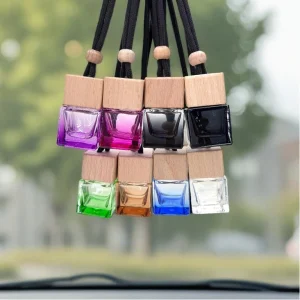
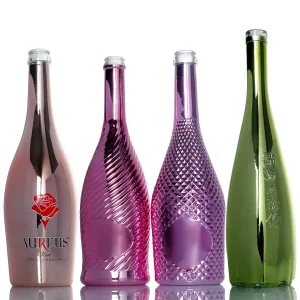
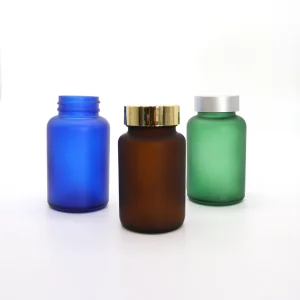
Combining state-of-the-art automation from Guangdong's industrial heartland with seamless logistical pathways to Walvis Bay and Windhoek.
Our modern facilities utilize automated Individual Section (IS) forming machines, ensuring precise glass distribution, uniform wall thickness, and minimized structural stress defects.
From frosting, electroplating, and silk-screen printing to hot stamping and custom decal application, we tailor color profiles to align with your brand's unique market positioning.
We manage full container loads (FCL) and less-than-container loads (LCL) securely palletized, optimizing freight routes direct to the Port of Walvis Bay to lower Southern African import overheads.

Swapora Advanced Glass Melting & Automated Forming Facility
Dongguan Swapora Bottle Co., Ltd. established in 2022, originated from a dream of bringing high-quality Chinese glass products to the global market. Starting as a small processing plant focused on the domestic market, we have gradually grown and expanded through our dedication to quality and pursuit of innovation.
Our production base is located in an industrial park in Guangdong Province, covering a total area of 10,000 square meters, with over 6,000 square meters of modern standard factory buildings. The factory integrates glass melting, deep processing, warehousing, and logistics, ensuring efficient and continuous production processes.
The factory area is scientifically planned, clean, and equipped with advanced environmental protection systems, reflecting our green manufacturing philosophy. Our production workshops strictly adhere to the 6S management system, providing a clean and orderly environment for the precision manufacturing of every piece of glass.
Every batch of colored glass bottles intended for the Namibian and wider SADC (Southern African Development Community) market undergoes stringent quality control testing. This includes tests for thermal shock resistance (capable of withstanding temperature drops up to 42°C), internal pressure resistance for carbonated beverages, and strict lead and cadmium migration tests to ensure absolute compliance with US FDA, European EC, and local health regulations.
Our 6S management system ensures that raw silica sand, soda ash, and cullet are mixed under computer-controlled accuracy, producing glass that maintains its structural integrity and color density across large-scale manufacturing runs.
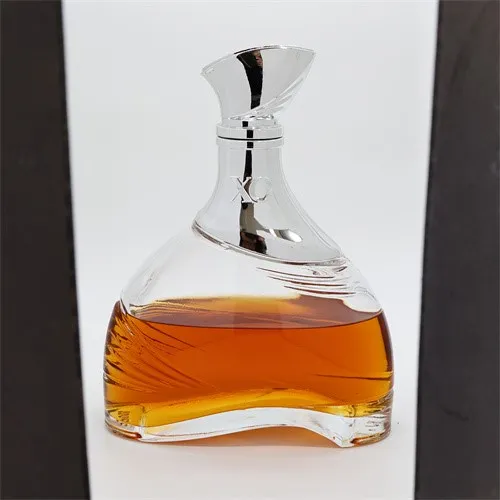
Inspection and packing lines operated under standard 6S systems
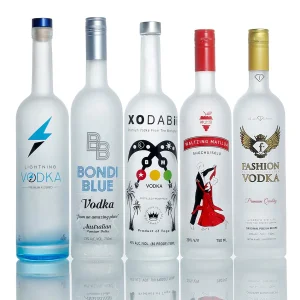
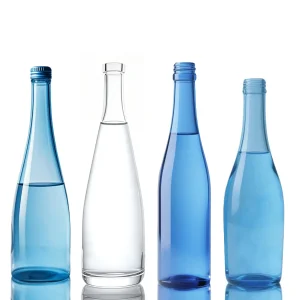
Explore our extensive portfolio of high-grade spirit, water, and beauty glass packaging options configured for international export.
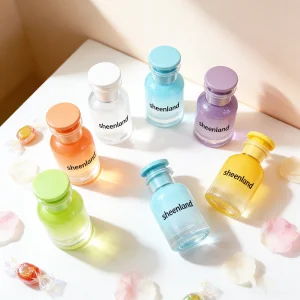
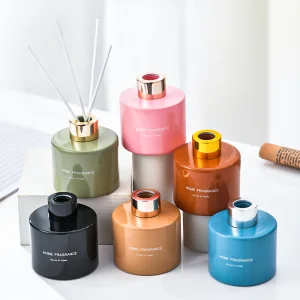
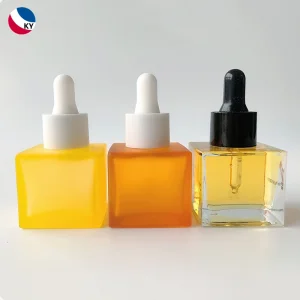
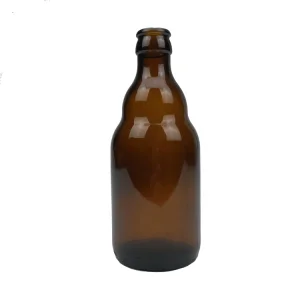
We understand the logistical demands of importing to Namibia. The port of Walvis Bay acts as the central logistical gateway. Standard container shipments (20GP/40HQ) originate from our automated facilities in Guangdong and undergo customs clearing preparation directly. Our export logistics team provides complete documentation including Clean Certificates of Analysis, Bills of Lading, Commercial Invoices, and Packing Lists tailored for smooth Southern African Customs Union (SACU) entry.
To prevent damage across thousands of nautical miles, our packaging uses fumigated wooden pallets, structural dividers, and thermo-retractable plastic sleeves. This keeps transit attrition to less than 0.5%, significantly outperforming traditional bulk packaging methods.
While regional suppliers in Southern Africa offer geographical proximity, they often face regular load-shedding and fuel cost spikes that impact production. Swapora provides consistent supply runs, extensive design options, and stable manufacturing capabilities.
By leveraging Chinese industrial clusters, we source raw materials cost-effectively and run eco-conscious electric furnaces that maintain consistent temperatures. The result is structural glass with higher mechanical durability and zero thermal stress lines, offered at competitive volume pricing.
Key details on minimum order quantities (MOQ), customization, delivery times, and shipping processes to Namibia.
For standard stocked items (such as clear or standard amber bottles), the MOQ can start as low as 5,000 to 10,000 pieces. For custom color runs, specialized molds, or proprietary shapes requiring custom tooling, the MOQ typically ranges between 30,000 and 50,000 pieces. This ensures setup efficiency on our IS machines.
Production cycles generally require 25 to 35 days depending on the level of customization (e.g., electroplating or frosting). Maritime shipping from Shenzhen/Guangzhou ports to the Port of Walvis Bay, Namibia, typically takes between 30 and 40 days, including transshipment ports. We recommend planning orders 3 months ahead of your seasonal production peaks.
Yes. We offer both pre-hearth coloration (where colorants are added directly to the melting furnace for large production runs) and secondary external coating services (such as electroplating, custom spraying, or matte frosting). We can match Pantone color profiles for high-end perfumery and spirit bottles.
Absolutely. All Swapora glass products are made from soda-lime-silica glass compositions that are completely inert. They pass US FDA, European Union (EC) No 1935/2004, and international food contact regulations. They do not leach heavy metals, ensuring the flavor profile of your product remains unaffected.
We package our bottles using durable cardboard dividers, shrink wrap, and strong wooden pallets. For high-end cosmetic or spirit bottles, we offer individual partition grid packaging. This keeps our ocean transit breakage rate below 0.5%, and we provide replacements or credits for any transit damage that exceeds this margin.
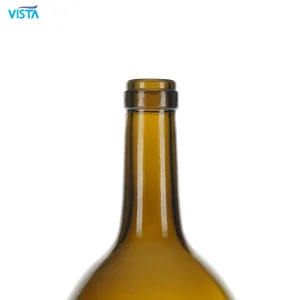
Yes. Our engineering team designs all finishes (including GPI, DIN, and custom cork finishes) under precise tolerances (often within ±0.5mm). This ensures compatibility with automated filling, capping, and labeling equipment, preventing line jams and minimizing downtime at your bottling facility.
 Swapora Bottle