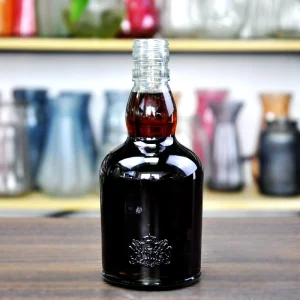
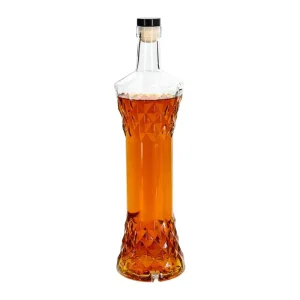
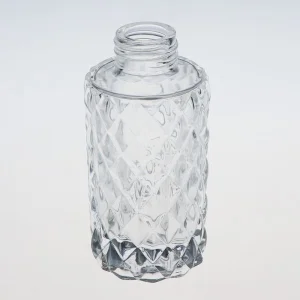
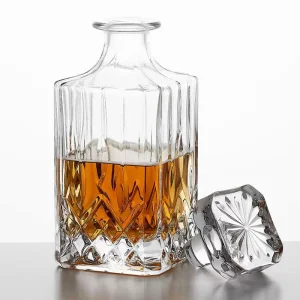
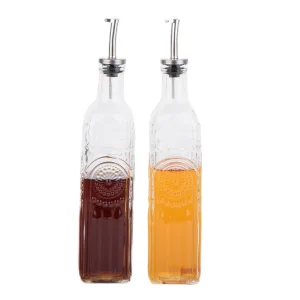
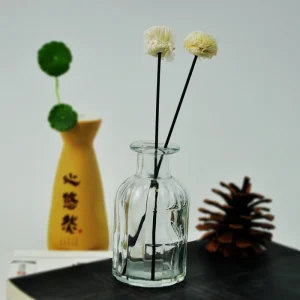
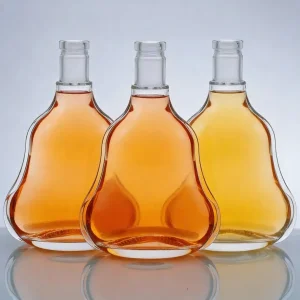
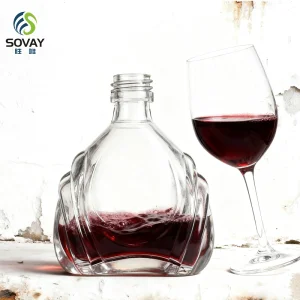
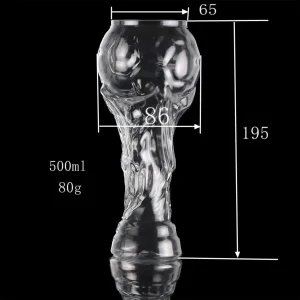
Engineered for high-speed filling lines and extreme thermal integrity, these flagship embossed bottles provide distinct shelf presence and maximum impact.
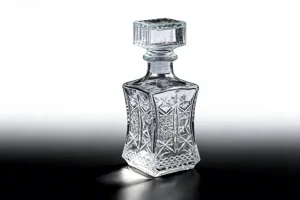
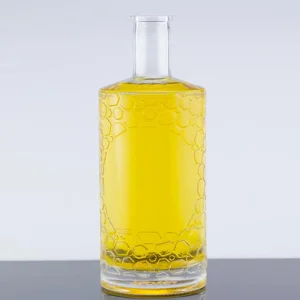
As the primary industrial port city in Northern Vietnam, Hai Phong has transformed into a global logistics powerhouse. Led by deepwater ports like Lach Huyen Port and robust industrial clusters like the DEEP C Industrial Zones, the region has attracted massive foreign direct investments (FDI) in FMCG, consumer electronics, and high-end agricultural processing. Concurrently, regional distilleries, premium food manufacturers, and boutique cosmetic brands in Northern Vietnam are transitioning from generic containers to customized, high-barrier embossed glass bottles to protect their branding and increase perceived value.
Local brands operating in Hai Phong, Hanoi, and Halong require supply chain stability that guarantees food-grade compliance (FDA, SGS, and LFGB), reliable mechanical shock resistance for automated bottling, and aesthetic precision. Sourcing high-quality embossed bottles directly from advanced manufacturing hubs in southern China minimizes transport distances, optimizes ocean freight lead times, and avoids the extreme tooling costs and high MOQs associated with European glass factories.

Embossing is not merely a visual design; it is a sophisticated engineering process that alters the structural profile of a container. A professionally designed embossed glass bottle must balance tactile elegance with chemical and structural endurance. At Dongguan Swapora Bottle Co., Ltd., our engineering teams utilize CAD/CAM mold manufacturing to manage glass thickness distribution in relation to the embossment depth.
Precision embossing creates high-relief textures (0.5mm to 1.5mm) that register instantly in the consumer's hands. This sensory feedback enhances brand recall and protects products from counterfeiting.
Excessive embossing depth can cause glass thinness inside corners. Our simulation software ensures standard thickness distribution to maintain high internal pressure and vertical load limits.
Complex 3D embossed geometry on the shoulder, base, or side pane makes it technically and financially unviable for illicit bottlers to copy your container without investing in high-precision molds.
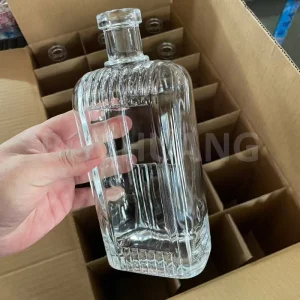
Our melting furnaces operate at temperatures up to 1580°C to ensure perfect homogenization of the batch (predominantly silica sand, soda ash, and limestone). This high temperature eliminates bubbles and micro-fissures, creating what the industry calls "super flint" glass—characterized by light refraction and crystal-like clarity. For embossed configurations, this optical purity ensures that light accentuates the contours of the custom logo or stripe pattern.
To ensure full transparency and support your quality assurance teams, here are the technical specifications under which Swapora manufactures its container line:
| Technical Characteristic | Standard Specification Value | QA Testing Methodology |
|---|---|---|
| Glass Composition | Soda-Lime Flint / Super Flint / Recycled Eco-Flint | XRF Chemical Analysis |
| Thermal Shock Resistance | ΔT ≥ 42°C | Rapid temperature bath immersion (hot to cold) |
| Internal Pressure Rating | ≥ 1.5 MPa (for non-carbonated); ≥ 3.0 MPa (for carbonated) | Hydrostatic Destructive Pressure Tester |
| Vertical Load Strength | ≥ 3000 N (depending on geometry and volume) | Compressive Strength Testing machine |
| Embossing Depth Range | 0.3 mm to 1.8 mm (Optimized to avoid stress crystallization) | 3D Laser Profilometry / Contact Stylus |
| Heavy Metal Contents | Lead, Cadmium, Mercury, Hexavalent Chromium < 100 ppm | ICP-MS Compliance (EU Directive 94/62/EC / FDA) |
Sqm Production Base
Sqm Modern Factory
Year Established
Lead & Heavy Metals
The decision to source embossed glass bottles from Guangdong rather than local suppliers comes down to scale, raw material consistency, and trade logistics. Our plant in Guangdong Province integrates glass melting, deep processing, warehousing, and domestic logistics under a strict 6S management framework. This allows us to transition from structural design CAD files to finished sample molds in as little as 10 to 15 days, a timeline that few local factories in Southeast Asia can match.
Shipping from the ports of Shenzhen or Guangzhou directly to Hai Phong (Lach Huyen or Dinh Vu terminals) is one of the most efficient shipping lanes in the world. Transit times generally range between 3 to 5 days, making the sea voyage highly cost-effective. Furthermore, under the ASEAN-China Free Trade Area (ACFTA), importers in Vietnam can benefit from preferential import duty tariffs using Form E, lowering the total cost of ownership (TCO) compared to shipping containers from Europe or North America.
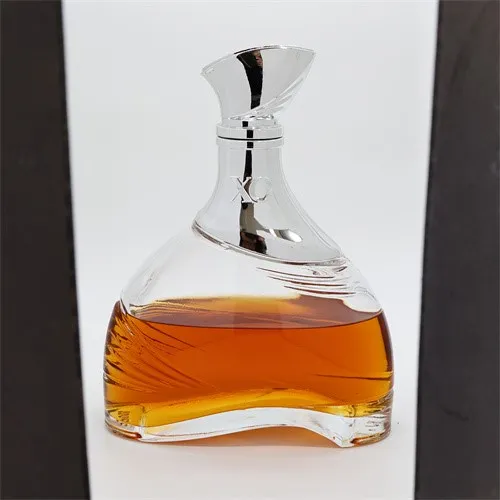
Every embossed glass bottle we manufacture undergoes a controlled cooling cycle inside a continuous annealing lehr. This thermal process relieves internal stress generated during the blow-and-blow or press-and-blow forming stages. Without precise annealing, the structural integrity of the embossed areas can degrade, causing failure during high-speed washing or filling cycles.
Our quality assurance program consists of a three-stage verification process:
Whether you are running a high-volume distillery in Hai Phong or launching a boutique fragrance line in Hanoi, our engineers will help realize your custom design from concept to delivery.
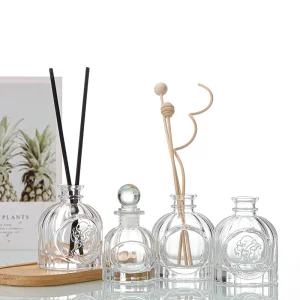
Send Inquiry NowExplore our wider range of luxury perfume, diffuser, spirits, and food storage bottles. Optimized for reliable sealing, high-clear flint glass, and custom branding.
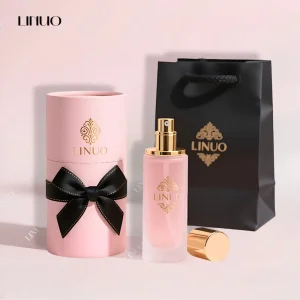
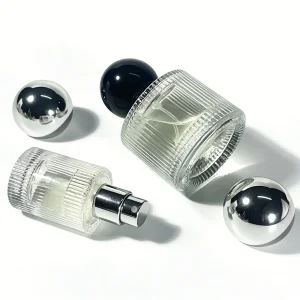
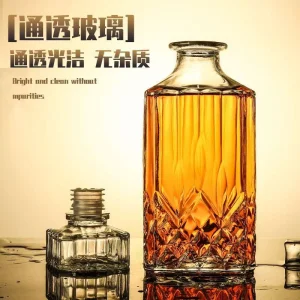
Worldwide packaging regulations are shifting rapidly away from single-use plastics. In the European Union, the United States, and progressively across ASEAN nations, EPR (Extended Producer Responsibility) directives are forcing brand managers to select highly recyclable substrates. Glass remains the ultimate circular packaging material; it is infinitely recyclable without loss of purity or quality.
Within this regulatory framework, custom embossing plays an economic role. Brands cannot rely solely on pressure-sensitive paper labels that fail under moisture or wear during transit. An embossed logo or custom surface pattern communicates premium positioning while remaining completely compatible with standard cullet sorting and melting processes. By sourcing from a partner capable of utilizing recycled cullet formulations, global buyers reduce their scope 3 emissions while maintaining premium aesthetic standards.
For procurement officers located in Hai Phong's industrial zones or international beverage firms, standardizing the sourcing framework for glass containers minimizes project delays. Our team recommends the following technical design stages:
Providing clear, direct technical details to streamline your purchasing and import decisions for the Vietnamese market.
Connect directly with our engineering and logistics coordinators. We will provide detailed estimates, CAD drafting assistance, and freight analysis to Hai Phong Port.
Send Inquiry Now Swapora Bottle